
OEM and ODM
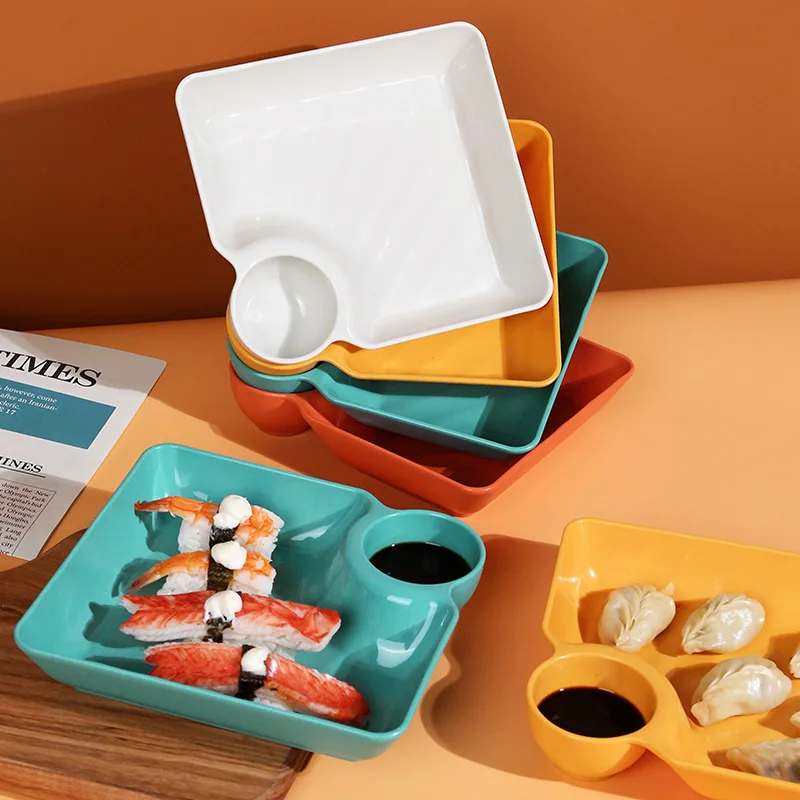
The development route depends on whether the program uses an existing mold, a modified structure or new tooling.
Turn the idea into an approvable program
A useful sourcing brief connects how the set will be used with the product specification, pack structure and commercial plan.
Confirm the meal occasion, number of people, transport route, sales channel and destination market before selecting pieces.
Review component compatibility, nesting, packed volume, weight, protection, access and cleaning as one connected system.
Approve material, color, branding, packaging, testing scope, quantity, sample route and delivery requirements together.
Can an existing set be customized?
Yes. The practical route may use existing components, new colors and branding, a custom carry format, or new tooling. Feasibility is reviewed against the exact brief.
How are MOQ and lead time confirmed?
They depend on the selected components, materials, tooling, decoration, packaging and assembly plan. We confirm them for the chosen configuration rather than publish one universal figure.
What information helps the first review?
Share target users, use scenario, required pieces, preferred carry format, destination market, expected quantity, target price and launch timing.
Buyer Answer
When does a tableware project need new tooling instead of an existing mold?
For OEM & ODM, the practical route is to compare existing molds, modified structures and new tooling for custom tableware sets, with sampling, Pantone color and logo options. This page focuses on the buyer decisions behind OEM ODM tableware sets, including configuration, packed structure, material selection, customization and project-specific evidence.
How to Evaluate OEM & ODM
Record user count, component roles, available carry space, target price, market and approval requirements.
Review product geometry, nesting, bag architecture, material construction and branding together rather than in separate stages.
Use configuration, prototype, packed-system and packaging reviews to control changes before production.
| Development stage | Key question | Decision recorded |
|---|---|---|
| Brief | What must the system do and for whom | Users, use, channel, price direction and destination |
| Engineering | How do the pieces become one portable system | Dimensions, nesting, carry layout, material and branding |
| Approval | What evidence is needed before production | Approved samples, SKU specification, packaging and testing scope |
Evidence Before Approval
Final claims and compliance depend on the exact material, construction, finished SKU and destination market. The approved specification should identify component dimensions, material route, branding, packaging, testing scope, sample status and responsible production route.
Buyer Questions About OEM & ODM
When does a tableware project need new tooling instead of an existing mold?
Compare existing molds, modified structures and new tooling for custom tableware sets, with sampling, Pantone color and logo options. Start with the user and use case, then confirm the component, pack, material and commercial specification.
Can an existing mold be used?
Often yes. Existing components are reviewed first; modified structures or new tooling are proposed only when the approved function, dimensions or brand position cannot be met.
When are MOQ and lead time confirmed?
They are confirmed after the component, tooling, decoration, bag, packaging, testing and assembly route is defined for the project.