
Scope The Use Case
Start with the carry context, meal occasion and channel before selecting a material or closure.
Buyer Resources
Use practical sourcing checkpoints to compare configurations, plan samples and give suppliers the information needed for a useful quotation.
Four Starting Points
You do not need a finished specification to begin. These four decisions help narrow the right product and development path.
Start with the carry context, meal occasion and channel before selecting a material or closure.
Use a platform for speed and a new mold when distinct geometry or mechanism creates commercial value.
Compare The RoutesFood-contact, temperature, cleaning and leak-control requirements should follow the target market and intended claims.
Align box footprint, snack modules, ice pack, carrier clearance, colors and packaging before ordering samples.
Browse System FamiliesPlanning Guides
A useful review looks beyond the main container. Consider carry, cleaning, accessories, service parts and packaging together.
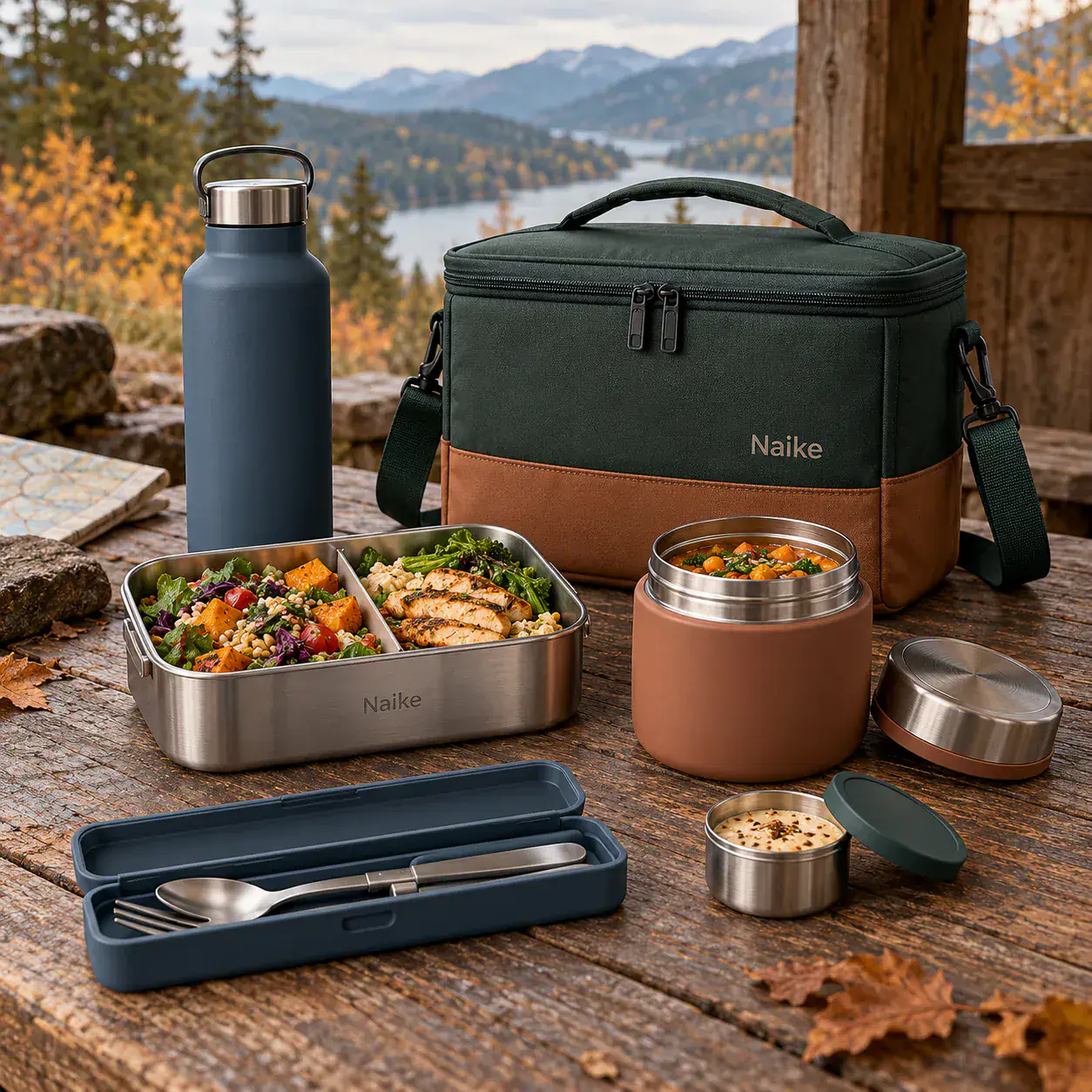
Temperature Plan
State meal type, carry time and intended temperature-control method so the set can be reviewed as a whole.
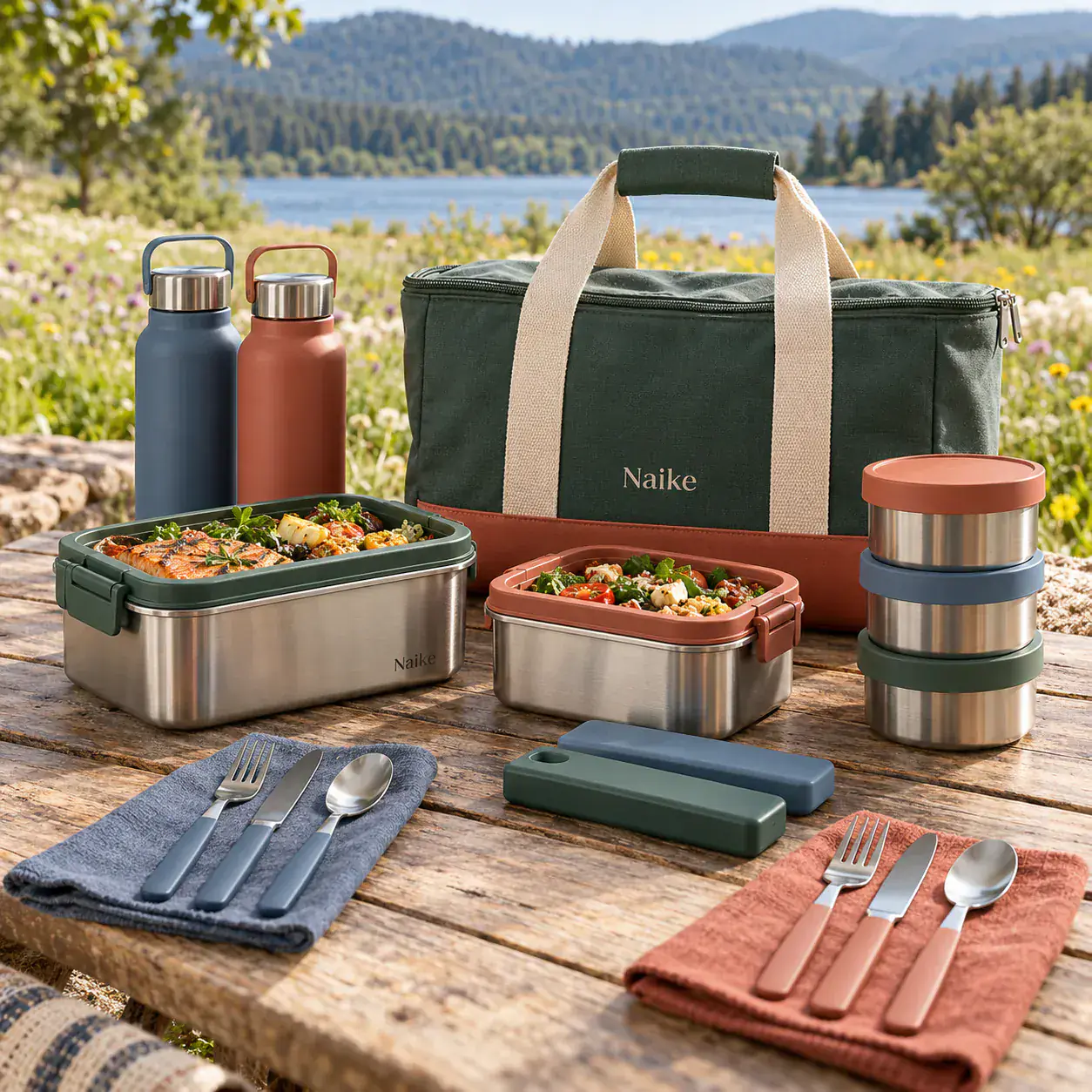
Capacity Plan
Clarify whether the buyer needs individual portions, shared dishes or a modular family assortment.
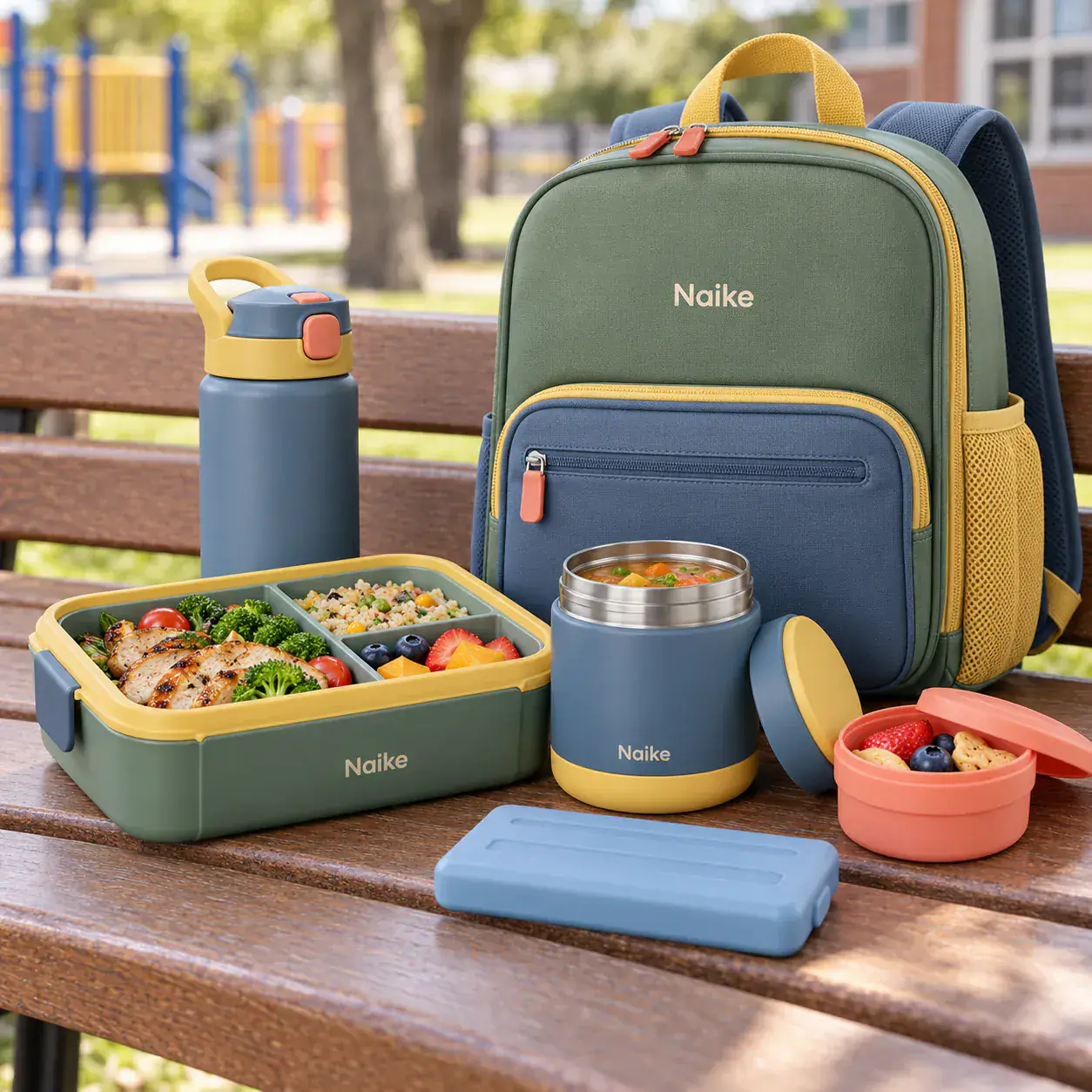
User Plan
Opening force, part size, cleaning access and labeling should reflect who will use and maintain the set.
Service Plan
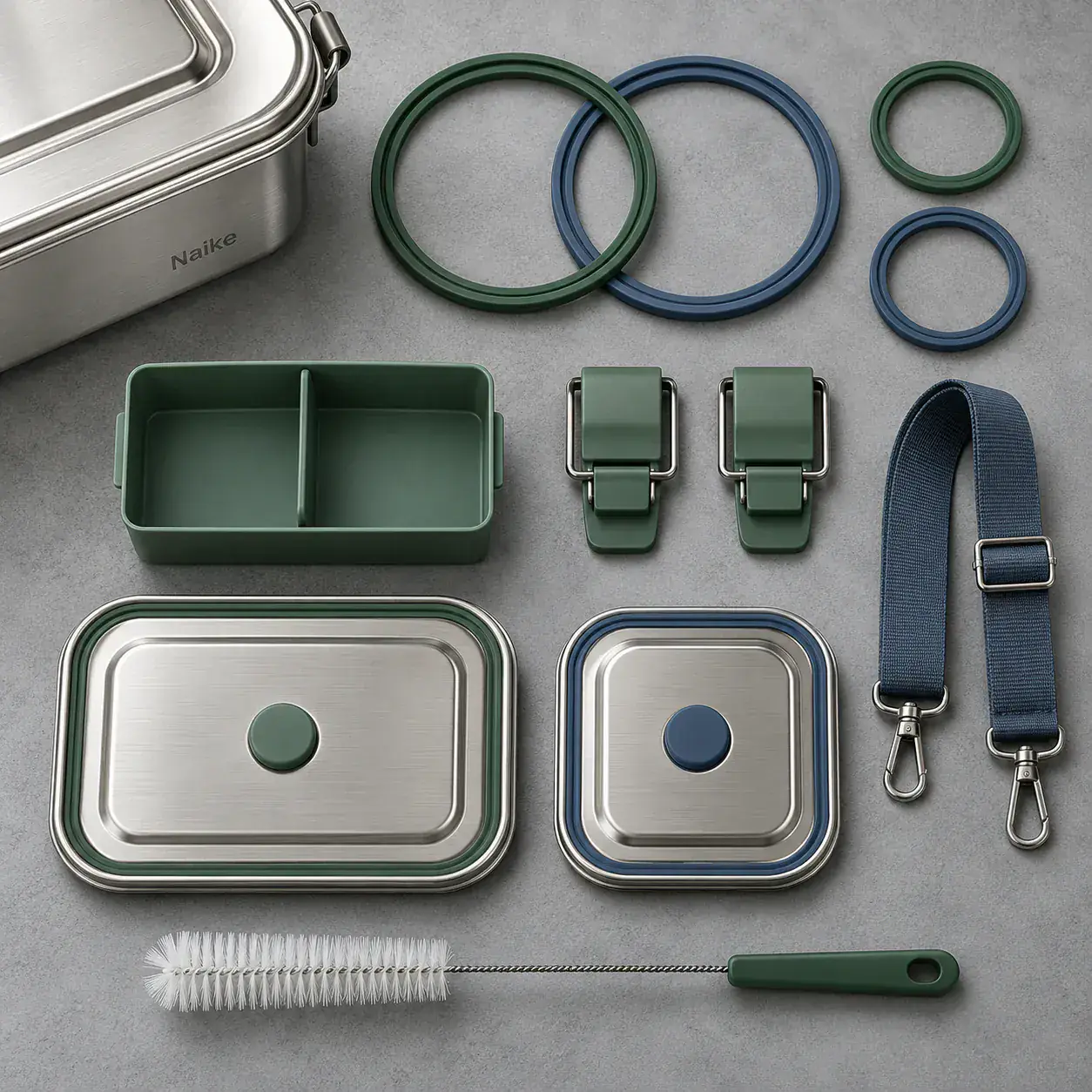
Identify seals, lids, latches and care instructions that may support the product after launch.
First RFQ Checklist
Exact specifications can follow later. These inputs help identify the right product and development route.
Ready To Brief The Project?
We will use these inputs to identify the right product family, development route and next questions.
Common Questions
Each quote depends on the approved set architecture, material, design, tooling, branding, packaging, evidence requirements and expected quantity.
No. Public products are development references. The order structure, commercial quantity and timing are confirmed after the custom design and tooling scope are reviewed.
Yes. New-mold development can be discussed after the user need, structure, tooling scope, ownership terms and validation plan are defined.
Yes. The model, sample condition, fill state, orientation, drop surface and acceptance criteria must be agreed before a project-specific test is performed.
Required documents depend on the exact product, material, intended use and destination market. Current project-level evidence is reviewed before claims are approved.
Buyer Articles
Use focused guides for sourcing, development routes, quality planning and quotation preparation.

Source custom outdoor lunch box sets with a factory-led checklist for configuration, samples and quality. Send Naike your B2B RFQ.
Read The Article
Use this lunch box quality control checklist to define samples, tests and inspection evidence. Ask Naike for a project quality review.
Read The ArticleSupplier Qualification
Use a practical matrix for product fit, development scope, sample control, quality evidence, packaging and commercial readiness.
Sourcing Terminology
Review concise definitions for configuration, samples, tooling, quality evidence, pack-out and other terms used throughout a custom lunchware RFQ.
Buyer Working Guide
A strong brief does not need to begin with every dimension confirmed. It should explain the commercial objective, separate known requirements from open questions and give the supplier enough context to recommend a responsible next step.
Describe who uses the product, what kind of meal it carries, where it travels and how it is cleaned after use. Add the expected carry duration, whether the set stays upright, whether it must fit inside another bag and whether the user needs separate hot and cold components.
For retail programs, include the intended shelf or ecommerce presentation and the expected assortment. For corporate or worksite programs, explain distribution, labeling and pack-out needs.
This statement helps screen product families before color, logo or packaging work begins. It also makes trade-offs visible: higher capacity can increase carry volume, more components can affect cleaning and packing, and a compact footprint may limit the number of modules included in the set.
List the main container, additional food modules, bottle, utensils, cold-control option, carry bag and replacement parts as separate rows. Mark each item as required, optional or still under review.
Add the preferred capacity direction, material direction, color, branding area and packaging position when known. If the program will have several tiers, show which components belong to the opening configuration and which are reserved for a premium or promotional version.
A simple table gives purchasing teams a consistent basis for comparing proposals and prevents optional accessories from being mistaken for standard inclusions. It also reveals dimensional dependencies early, such as a bottle that does not fit the carrier or a cold pack that reduces usable meal space.
Platform customization is often the appropriate starting point when the main product architecture already suits the user and the differentiation comes from color, logo, components or packaging. A targeted modification becomes relevant when one function prevents the platform from meeting the brief.
New-mold development should be connected to a clear user, mechanism or intellectual-property objective that cannot be achieved responsibly through an existing structure. Buyers should compare the routes using more than unit price.
Consider tooling scope, sample rounds, approval effort, evidence requirements, assortment longevity and the commercial value of the difference being created. The lowest-complexity route that satisfies the market need is usually easier to define, quote and control.
Before samples arrive, list the questions each stakeholder must answer. Product teams may review capacity, fit, opening, cleaning access and carry.
Brand teams may review color, logo position and packaging hierarchy. Quality teams may review dimensions, appearance limits, requested functional checks and document status.
Purchasing teams may review configuration, quantity, lead-time assumptions and outstanding commercial items. Record the sample version, date, configuration and decision for every review round.
Separate required corrections from optional preferences, and identify who approves the next step. This prevents conflicting feedback and gives the supplier a consolidated change list.
It also helps stop unapproved concept images or early prototypes from being treated as the final production standard.
From Brief To Quotation
Send the company and target market, sales channel, expected quantity, target user, meal occasion, required components, customization level and intended launch window. Add any reference images as direction rather than proof of an existing product, and explain which features are essential.
State known document, inspection and packaging requirements. Mark unknown values openly.
Naike can then identify the product family to review, the likely development route and the questions required before a configuration-based quotation is prepared. Final pricing remains tied to the approved material, configuration, branding, packaging and validation scope.
Custom design · mold development · testing
Share the target market, four-component set scope, expected quantity, tooling needs and performance-test requirements. Every program is made to order.