Adult Commute Programs
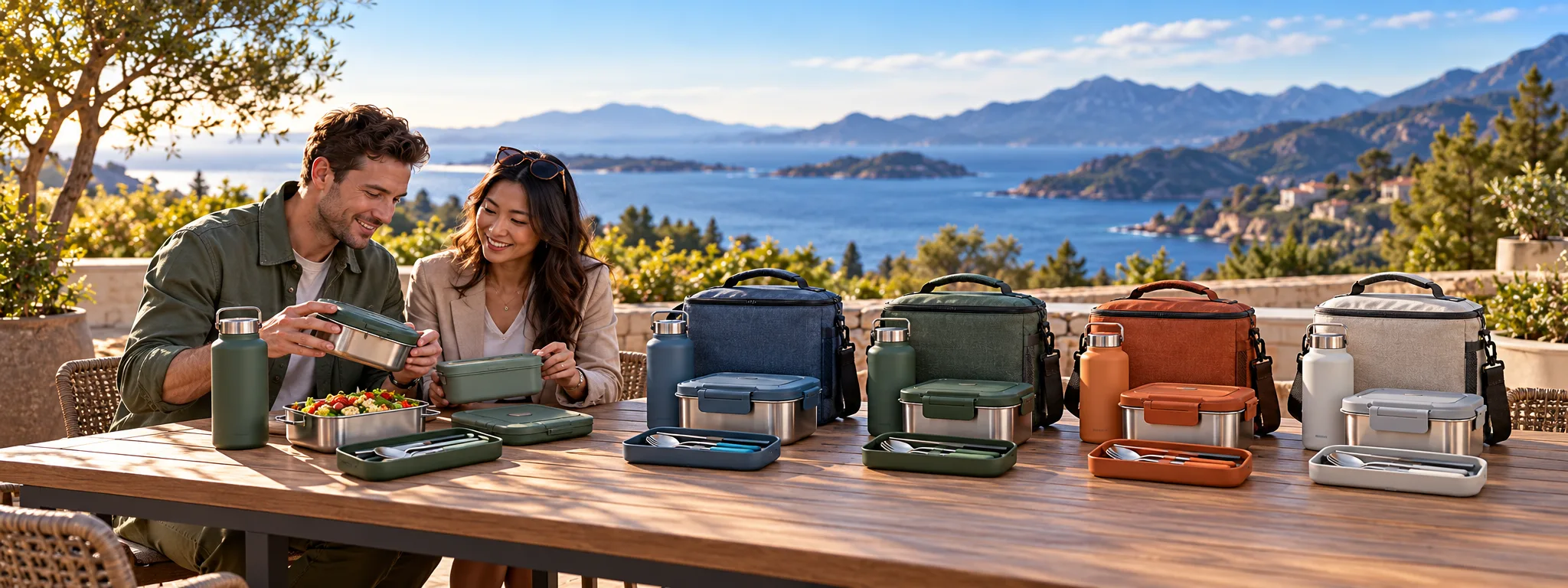
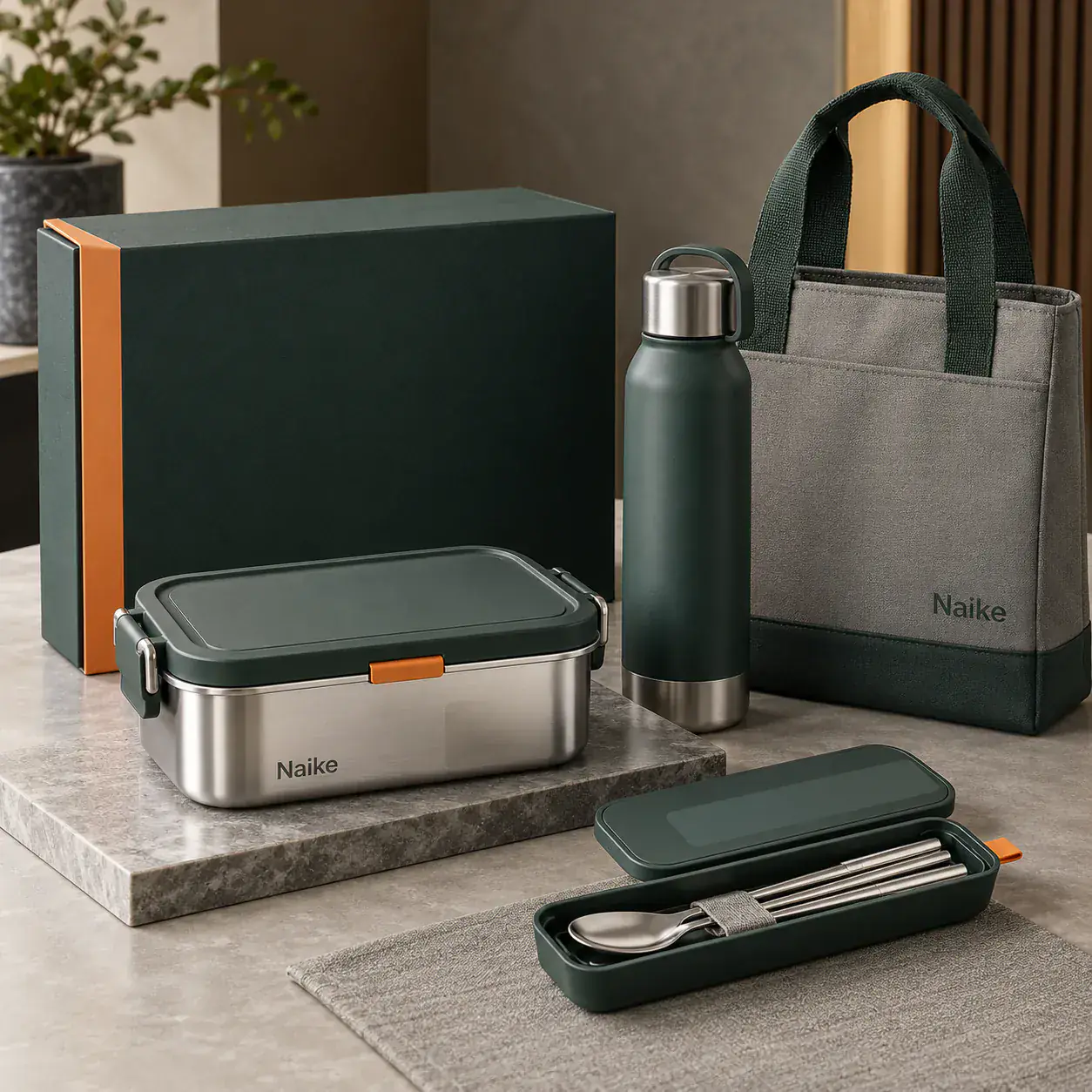
Coordinate the meal box, bag, utensils, ice pack and hydration around the daily commute.
- Compact bag-to-box architecture
- Office-ready adult design
- Retail and employee-program tiers
B2B Solutions
Start with the buyer, sales channel and meal occasion. We then help define the set composition, customization route, packaging and evidence needed for review.
Buying Goals
Each route starts with a different commercial priority. Use these starting points to frame a more useful first RFQ.
Coordinate the meal box, bag, utensils, ice pack and hydration around the daily commute.
Build day-hike and picnic systems around stable carry, modular portions and serviceable parts.
Plan higher-capacity, long-shift sets around durability checkpoints and practical carry.
Create co-branded sets and gift programs with controlled decoration, pack-out and approval stages.
Program Examples
These examples show how product architecture changes when the channel, carry time and branding objective change.
Retail + Private Label
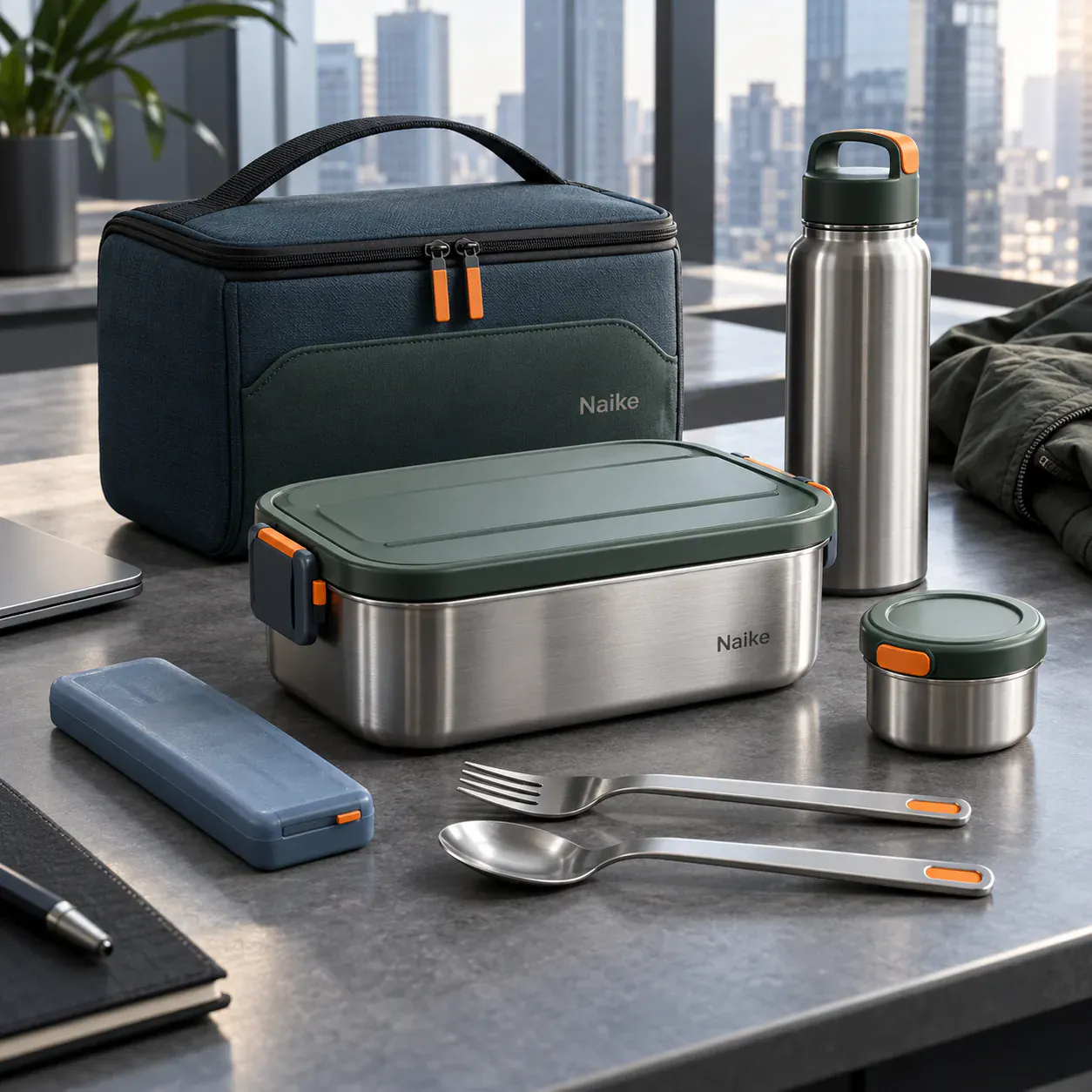
Define a lead set, supporting sizes, color direction, logo zones and retail packaging as one assortment.
Outdoor Programs
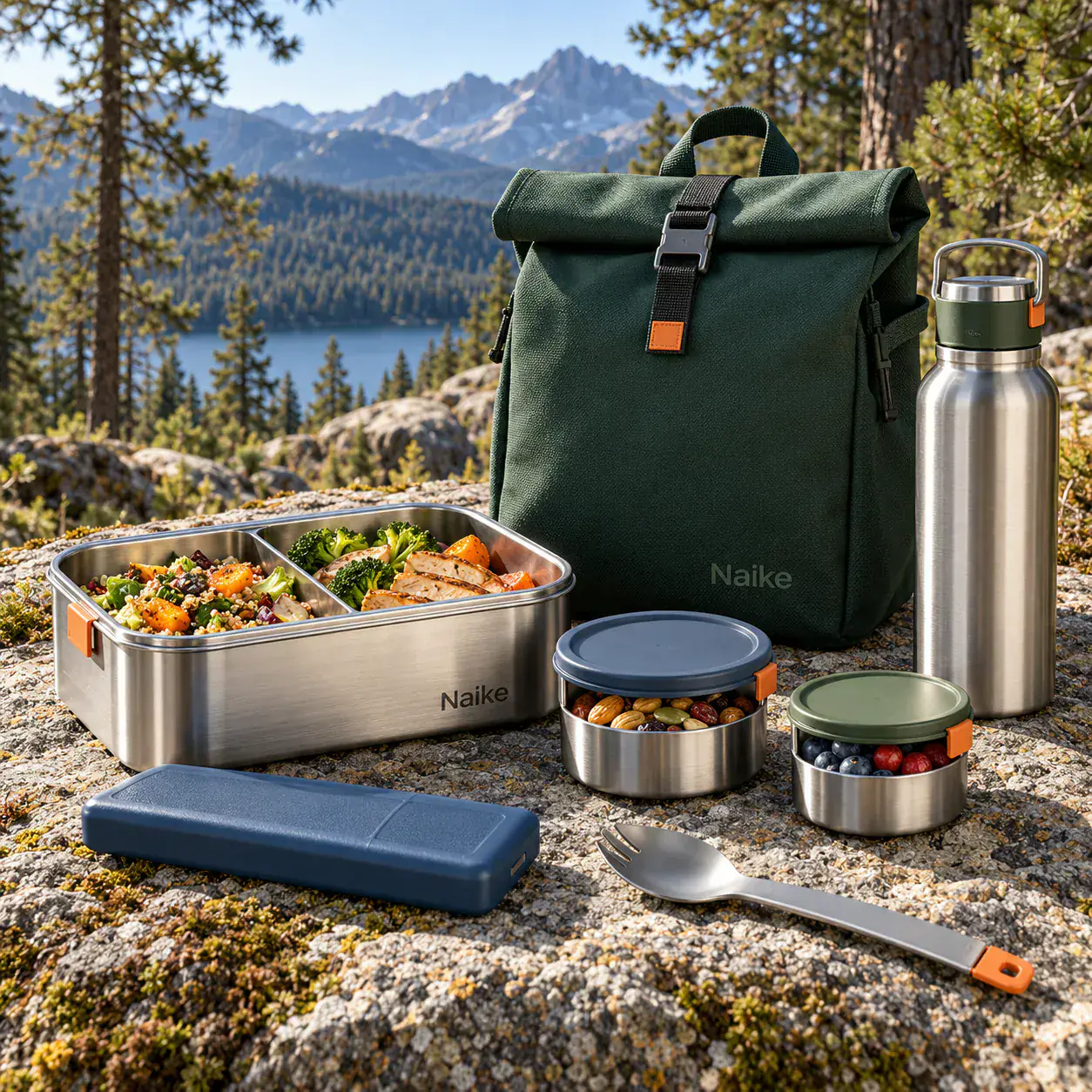
Coordinate the box, cold-control option, carrier, bottle and utensils around trip duration and pack space.
Corporate + Worksite
Align branding, pack-out, user instructions and assortment quantities for teams, campaigns or long-shift supply.
Development Route
Share what must stay standard and what must change. Tooling scope, samples and validation can then be planned against the actual risk.
Useful First Review
We can help turn those inputs into a product route, sample plan and quotation scope.
Channel Planning Guide
A productive sourcing discussion connects the commercial plan to the physical product. The following checkpoints help purchasing, product and brand teams describe what must be decided before a useful quotation or sample plan can be prepared.
An outdoor lunch system for a specialty retailer is not scoped in the same way as an employee kit, a promotional program or a worksite supply item. Tell us who will carry the set, where it will be stored, how long the meal may travel and whether the product is expected to sit on a retail shelf or ship directly to a program participant.
Those details affect capacity, bag construction, component count, product presentation and packaging hierarchy. A clear channel description also helps separate a core product requirement from a feature that is only useful for one campaign.
Buyers do not need to provide finished engineering drawings at this stage. A short description of the customer, price position, competitive reference and intended assortment is enough to begin comparing suitable product families and development routes.
Decide whether the quotation should cover only the main lunch box or a coordinated system that also includes food jars, snack modules, cutlery, a bottle, cold-control accessories and insulated carry. Listing every desired component makes compatibility visible early.
The container footprint must work with the selected bag, utensils need a secure storage position, and cold packs need enough clearance to function without making the set awkward to carry. If several assortment levels are planned, identify the lead configuration and the optional additions.
This prevents separate products from being sampled without a shared dimensional plan. It also gives your team a clearer way to compare quotations because suppliers are responding to the same set boundary, rather than interpreting “complete lunch kit” in different ways.
Color, logo application, packaging graphics and set composition can often be reviewed as platform customization. Changes to a divider, lid, latch, bag interface or accessory connection may require a targeted tooling and validation discussion.
A completely new geometry or mechanism belongs in a new-mold brief. Separating these levels protects the buying process from unnecessary complexity.
It allows the commercial team to see which requests can be handled through an existing platform and which requests affect function, tooling, sample rounds or approval responsibilities. Share the feature that creates value for the market, not only the visual reference.
If the goal is easier portion organization, improved active carry or a more compact retail pack, that outcome should be stated directly so alternative solutions can be evaluated before tooling is released.
A target launch date is useful only when it is connected to the decisions that must happen before production. Buyers should identify who approves appearance, fit, packaging, required documents and final samples.
The project can then be divided into reviewable gates: commercial scope, configuration, sample evaluation, specification approval, packaging approval and production release. Quantities should be stated by configuration when more than one color or assortment is planned.
Destination markets should also be included because document and labeling expectations may vary by product and intended use. Naike reviews timing after the configuration and development route are understood; sample, tooling and production schedules remain project specific.
This approach gives the buyer a realistic sequence and makes changes easier to trace when priorities move during development.
Recommended RFQ Inputs
A first review is more useful when it includes the target user, sales channel, expected quantity, destination market, required set components, preferred materials, branding scope, packaging format and target timing. Add any non-negotiable feature, test request or retailer requirement.
If information is still unknown, mark it as open instead of filling the brief with assumptions. We can then identify the decisions that need clarification and suggest whether the project should begin from platform customization, a focused structural change or a new-mold discussion.
Custom design · mold development · testing
Share the target market, four-component set scope, expected quantity, tooling needs and performance-test requirements. Every program is made to order.