
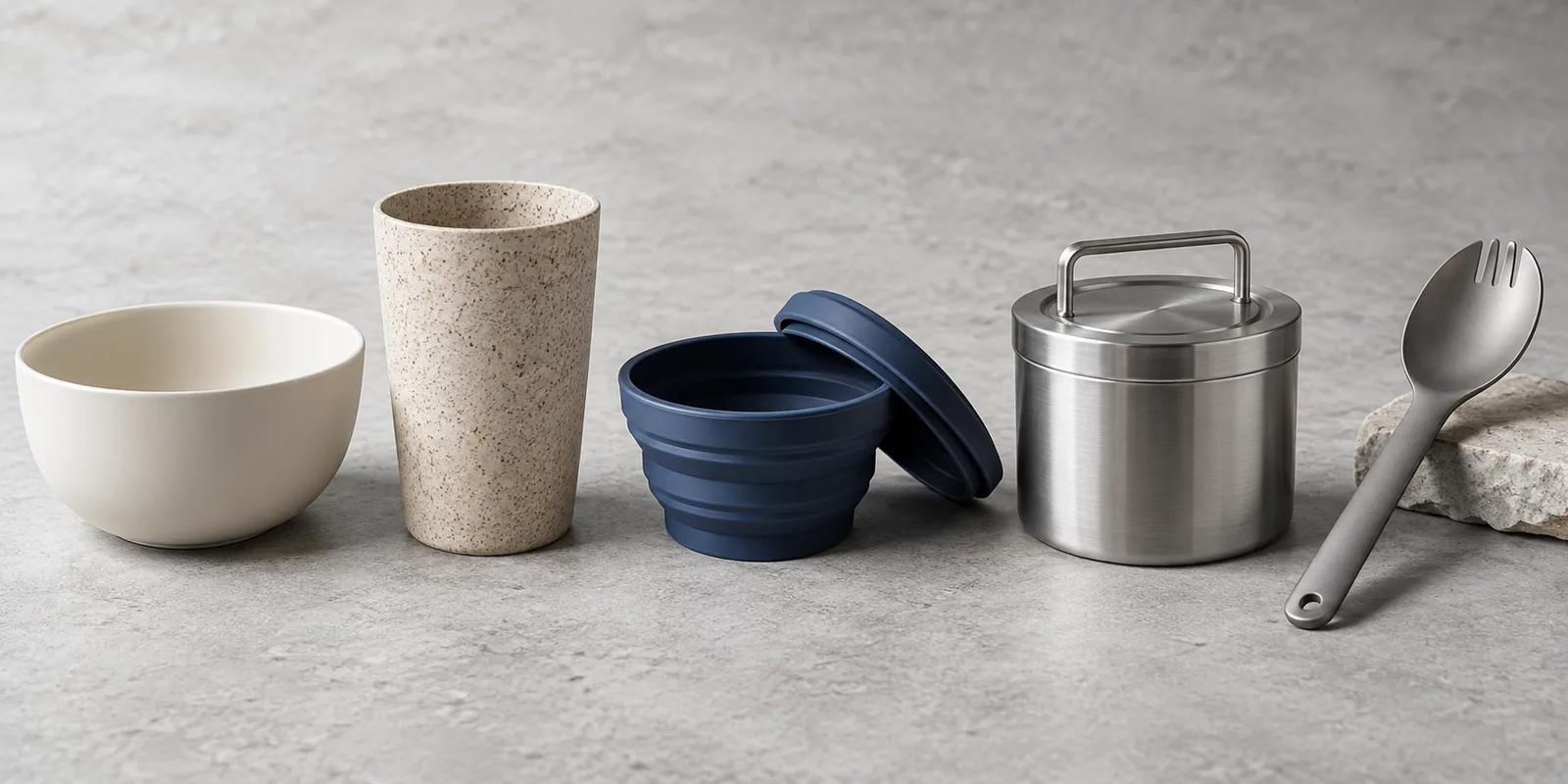
Material follows function. Selection is based on target price, weight, use, life expectancy, destination-market requirements and the overall pack architecture.
Explore Material Routes
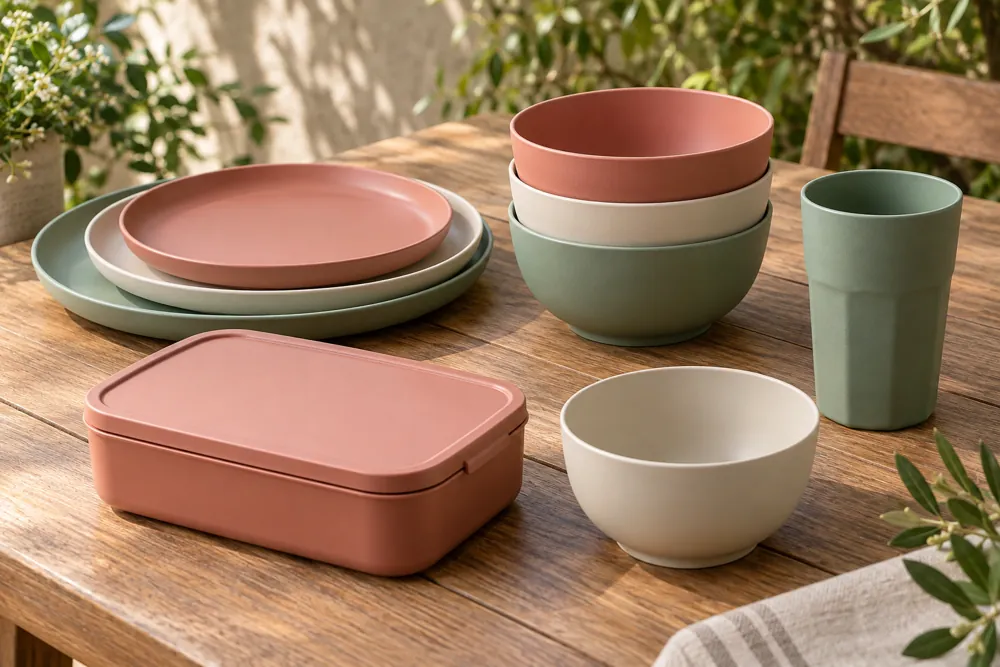
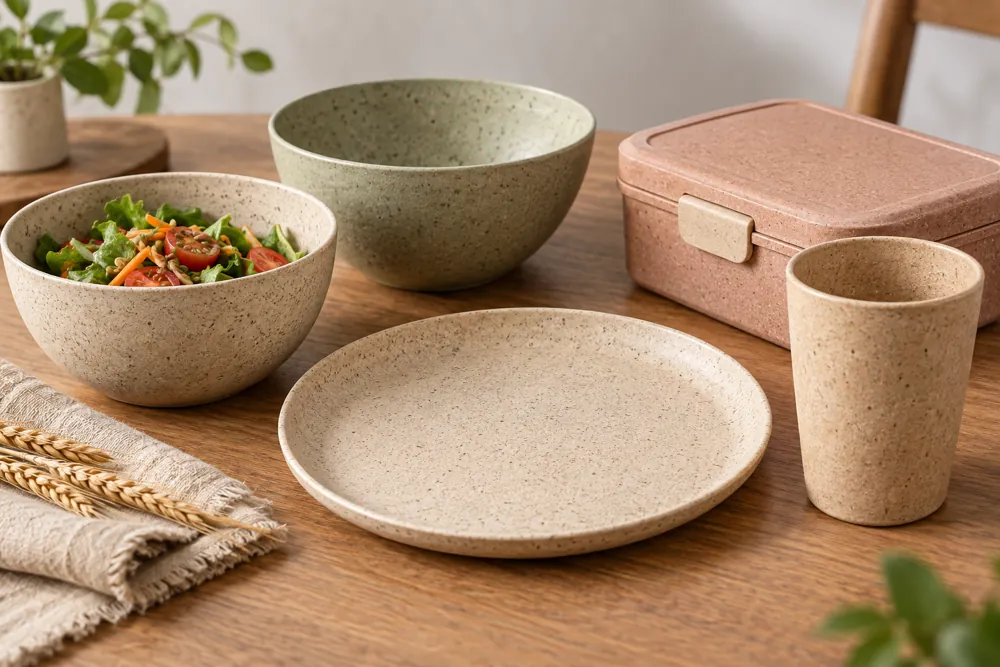
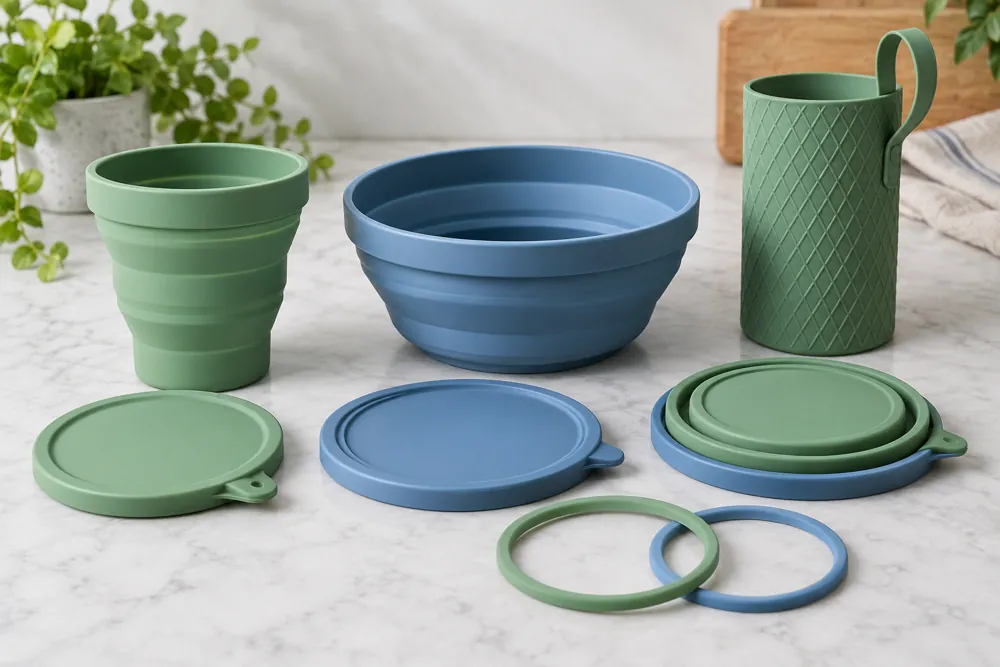


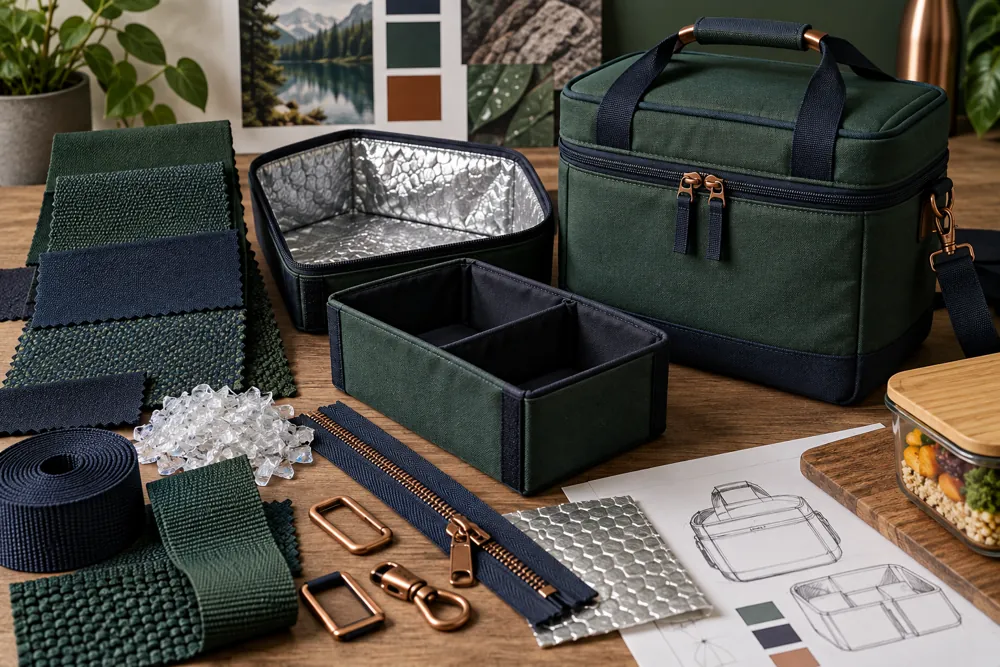
Select material by function
Use conditions, packed weight, care, price position, construction and destination-market evidence all influence the practical route.
Confirm the meal occasion, number of people, transport route, sales channel and destination market before selecting pieces.
Review component compatibility, nesting, packed volume, weight, protection, access and cleaning as one connected system.
Approve material, color, branding, packaging, testing scope, quantity, sample route and delivery requirements together.
Can an existing set be customized?
Yes. The practical route may use existing components, new colors and branding, a custom carry format, or new tooling. Feasibility is reviewed against the exact brief.
How are MOQ and lead time confirmed?
They depend on the selected components, materials, tooling, decoration, packaging and assembly plan. We confirm them for the chosen configuration rather than publish one universal figure.
What information helps the first review?
Share target users, use scenario, required pieces, preferred carry format, destination market, expected quantity, target price and launch timing.
Buyer Answer
Which material is best for a portable tableware system?
For Materials, the practical route is to compare PP, wheat-straw composite, silicone, stainless steel, titanium and textile routes by function, weight, care and target market. This page focuses on the buyer decisions behind portable tableware materials, including configuration, packed structure, material selection, customization and project-specific evidence.
How to Evaluate Materials
Choose the material after defining shape, use conditions, expected care, target weight and price position.
Record grade or formulation, thickness, finish, joining method, trims and mixed-material interfaces where applicable.
Testing, recycled-content statements and other claims must identify the selected material, product and destination market.
| Selection input | What to compare | Project record |
|---|---|---|
| Function | Food storage, dining, sealing or carry | Material and construction suited to the component role |
| User experience | Weight, feel, cleaning and durability | Thickness, finish, care guidance and pack interaction |
| Market requirement | Destination, channel and requested claims | SKU-specific evidence and approved wording |
Evidence Before Approval
Final claims and compliance depend on the exact material, construction, finished SKU and destination market. The approved specification should identify component dimensions, material route, branding, packaging, testing scope, sample status and responsible production route.
Buyer Questions About Materials
Which material is best for a portable tableware system?
Compare PP, wheat-straw composite, silicone, stainless steel, titanium and textile routes by function, weight, care and target market. Start with the user and use case, then confirm the component, pack, material and commercial specification.
Can materials be mixed in one portable set?
Yes. PP, silicone, metal and textiles can be combined when each material has a clear function and the interfaces, cleaning and evidence are reviewed together.
Does one test report cover every product?
No. Evidence should be checked against the named material, construction, finished SKU, intended use and destination-market requirement.