
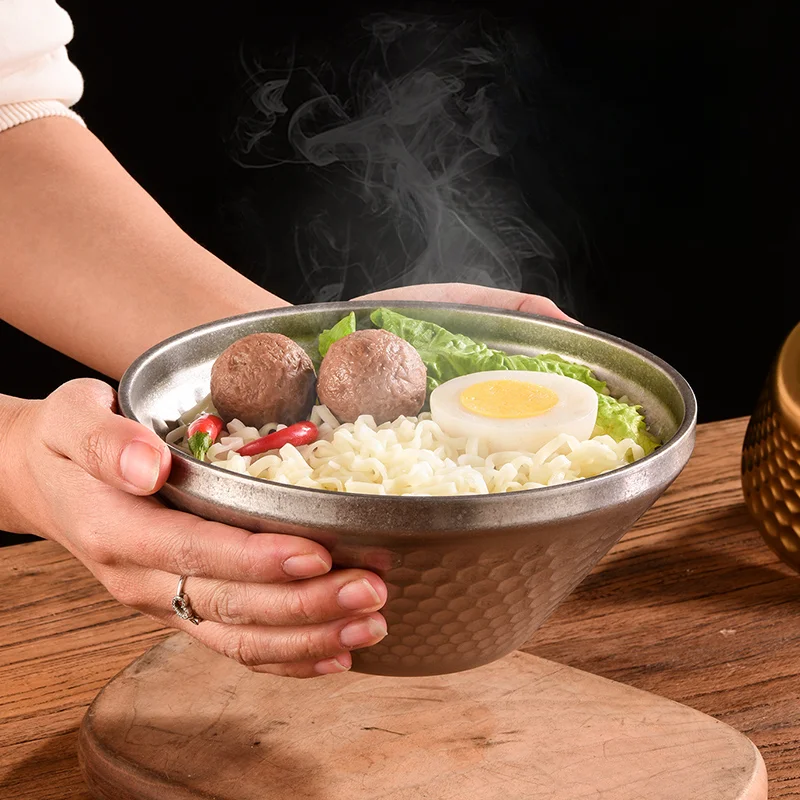
This system is developed around a complete packed experience—not a disconnected list of tableware pieces. The reference direction serves one or more people for travel · picnic.
Structural Difference
The component stack, unpacking sequence and carry architecture are reviewed together. The goal is a coordinated system that moves clearly from use to storage and remains intuitive at retail and in daily handling.
Complete Set Capability
Packed Size & Dimensional Relationships
| Packed Size | Confirmed after the final component, carry, branding, packaging and order configuration is approved. |
|---|---|
| Weight | Confirmed after the final component, carry, branding, packaging and order configuration is approved. |
| Packed Volume | Confirmed after the final component, carry, branding, packaging and order configuration is approved. |
| Stackability / Nesting | Each component is reviewed for rim fit, lid clearance, stable stacking and the intended unpacking order. |
| Carry Bag Internal Layout | Divider positions, utensil retention, pockets, insulation and protection are engineered around approved component dimensions. |
Logo, Pantone & Packaging Options
Review print, engraving, embossing, label and bag-graphic routes by component and material.
Coordinate molded parts, textile, trims and packaging against an approved color reference.
Develop the pack, barcode area, instructions, replacement-piece logic and carton plan as one SKU.
Replaceable Components
Individual bowls, plates, cups, cutlery, containers, lids, dividers or the carry format can be reviewed for substitution where dimensions and performance remain compatible. Custom tooling can be assessed when an existing component cannot meet the target structure.
Material Route
Stainless steel. Material selection follows the required shape, weight, durability, temperature, care, target price and destination-market evidence; it does not replace the set architecture.
SKU Testing, MOQ & Delivery
| Testing & Compliance | Reports and checks are defined for the exact material, component, finished SKU and destination market. |
|---|---|
| MOQ | Confirmed for the selected component, tooling, decoration, bag and packaging route. |
| Sampling | Sample stages are proposed after the reference set and customization scope are reviewed. |
| Lead Time | Confirmed in quotation after approved samples, quantity, testing scope and packaging are known. |
Build a Similar Set
Share the target users, use scenario, component list, carry preference, market and price direction. We will review a related configuration and development route.
Configuration Answer
How is a stainless steel bowl designed for stable nesting?
Create a stackable hammered stainless steel bowl component for coordinated picnic, travel and portable dining sets. The reference direction is designed for one or more people using nesting divider option; final measurements and performance are confirmed against the approved SKU.
Product Fit at a Glance
Three Approval Questions
Check the component role, user count, portion need, dimensional compatibility and replacement route before freezing the set.
Validate nesting order, packed dimensions, dividers, retention, protection, access, cleaning and the final carrying method.
Approve material, Pantone color, logo, packaging, testing scope, quantity, sample status and timing together.
Questions About Hammered Steel Bowl Module
How is a stainless steel bowl designed for stable nesting?
Create a stackable hammered stainless steel bowl component for coordinated picnic, travel and portable dining sets.
Can this set use different components or materials?
Yes. Substitutions are reviewed against function, dimensions, nesting, target price, carry fit and destination-market requirements before approval.
What is needed for an accurate quotation?
Provide the intended users, component list, target market, expected quantity, branding, packaging, carry preference, price direction and launch timing.