
Factory Answer
lunch box RFQ: Start With A Controlled Brief
A lunch box RFQ should tell the factory what business program and product configuration it is being asked to quote. Naike Tableware can recommend a platform when details remain open, but buyers must separate requirements from preferences and assumptions. Use these scenarios to prepare a custom lunch box quotation request that exposes quantities, evidence, packaging and timing before price comparison begins.
Start The Lunch Box RFQ With Commercial Context
What commercial facts belong in a lunch box RFQ?
State the company, destination market, sales channel and program type; within Start The Lunch Box RFQ With Commercial Context, review this commercial intent point against the selected product, intended market and current revision rather than as a generic catalog promise. For commercial intent in Start The Lunch Box RFQ With Commercial Context, record what is fixed, what remains open, the responsible owner and the evidence that will close decision 1. Frame the information around the real buying scenario so the factory can respond to the program rather than guess from a product photo during Start The Lunch Box RFQ With Commercial Context checkpoint 1. Naike carries the agreed Start The Lunch Box RFQ With Commercial Context checkpoint 1 into the component schedule, sample plan, quotation boundary and inspection record so purchasing, product and quality teams compare the same program.
Provide estimated quantity by model, color and packaging version; within Start The Lunch Box RFQ With Commercial Context, review this product boundary point against the selected product, intended market and current revision rather than as a generic catalog promise. For product boundary in Start The Lunch Box RFQ With Commercial Context, record what is fixed, what remains open, the responsible owner and the evidence that will close decision 2. Our quotation team uses the detail to identify compatible platforms, open decisions and buyer inputs during Start The Lunch Box RFQ With Commercial Context checkpoint 2. Naike carries the agreed Start The Lunch Box RFQ With Commercial Context checkpoint 2 into the component schedule, sample plan, quotation boundary and inspection record so purchasing, product and quality teams compare the same program.
Include launch, sample approval and requested delivery windows; within Start The Lunch Box RFQ With Commercial Context, review this approval evidence point against the selected product, intended market and current revision rather than as a generic catalog promise. For approval evidence in Start The Lunch Box RFQ With Commercial Context, record what is fixed, what remains open, the responsible owner and the evidence that will close decision 3. A useful RFQ need not contain every answer, but it must separate confirmed requirements from requests for recommendation during Start The Lunch Box RFQ With Commercial Context checkpoint 3. Naike carries the agreed Start The Lunch Box RFQ With Commercial Context checkpoint 3 into the component schedule, sample plan, quotation boundary and inspection record so purchasing, product and quality teams compare the same program.
Name the delivery destination and commercial terms to be discussed; within Start The Lunch Box RFQ With Commercial Context, review this production release point against the selected product, intended market and current revision rather than as a generic catalog promise. For production release in Start The Lunch Box RFQ With Commercial Context, record what is fixed, what remains open, the responsible owner and the evidence that will close decision 4. That distinction makes the first quotation more comparable and the next discussion more productive during Start The Lunch Box RFQ With Commercial Context checkpoint 4. Naike carries the agreed Start The Lunch Box RFQ With Commercial Context checkpoint 4 into the component schedule, sample plan, quotation boundary and inspection record so purchasing, product and quality teams compare the same program.
Describe The Real User And Meal Scenario
How does use context improve a custom lunch box quotation?
Explain who carries the set, for how long and in which environment; within Describe The Real User And Meal Scenario, review this commercial intent point against the selected product, intended market and current revision rather than as a generic catalog promise. For commercial intent in Describe The Real User And Meal Scenario, record what is fixed, what remains open, the responsible owner and the evidence that will close decision 1. Frame the information around the real buying scenario so the factory can respond to the program rather than guess from a product photo during Describe The Real User And Meal Scenario checkpoint 1. Naike carries the agreed Describe The Real User And Meal Scenario checkpoint 1 into the component schedule, sample plan, quotation boundary and inspection record so purchasing, product and quality teams compare the same program.
List typical food types, portion structure and temperature zones; within Describe The Real User And Meal Scenario, review this product boundary point against the selected product, intended market and current revision rather than as a generic catalog promise. For product boundary in Describe The Real User And Meal Scenario, record what is fixed, what remains open, the responsible owner and the evidence that will close decision 2. Our quotation team uses the detail to identify compatible platforms, open decisions and buyer inputs during Describe The Real User And Meal Scenario checkpoint 2. Naike carries the agreed Describe The Real User And Meal Scenario checkpoint 2 into the component schedule, sample plan, quotation boundary and inspection record so purchasing, product and quality teams compare the same program.
State expected transport orientation and handling; within Describe The Real User And Meal Scenario, review this approval evidence point against the selected product, intended market and current revision rather than as a generic catalog promise. For approval evidence in Describe The Real User And Meal Scenario, record what is fixed, what remains open, the responsible owner and the evidence that will close decision 3. A useful RFQ need not contain every answer, but it must separate confirmed requirements from requests for recommendation during Describe The Real User And Meal Scenario checkpoint 3. Naike carries the agreed Describe The Real User And Meal Scenario checkpoint 3 into the component schedule, sample plan, quotation boundary and inspection record so purchasing, product and quality teams compare the same program.
Identify cleaning, reuse and reheating expectations; within Describe The Real User And Meal Scenario, review this production release point against the selected product, intended market and current revision rather than as a generic catalog promise. For production release in Describe The Real User And Meal Scenario, record what is fixed, what remains open, the responsible owner and the evidence that will close decision 4. That distinction makes the first quotation more comparable and the next discussion more productive during Describe The Real User And Meal Scenario checkpoint 4. Naike carries the agreed Describe The Real User And Meal Scenario checkpoint 4 into the component schedule, sample plan, quotation boundary and inspection record so purchasing, product and quality teams compare the same program.
B2B Buyer Checklist
lunch box RFQ Buyer Checklist
| Check | Question | Why It Matters |
|---|---|---|
| Use case | Who uses the set, where and for which meal occasion? | The answer controls capacity, carry and component recommendations. |
| Configuration | Which items are required, optional or open? | A defined boundary prevents missing accessories and incomparable quotes. |
| Variants | What quantity is planned for each model, color and market? | MOQ and packaging are evaluated per approved configuration. |
| Claims | Which performance claims need project evidence? | Test conditions must match the product and intended use. |
| Approval | Who signs off product, artwork, quality and packaging? | Named owners reduce late-stage reversals. |
| Timing | What is the sample, approval and launch window? | A realistic critical path protects the delivery plan. |
Draw A Clear Product And Accessory Boundary
Which products must the lunch box RFQ include?
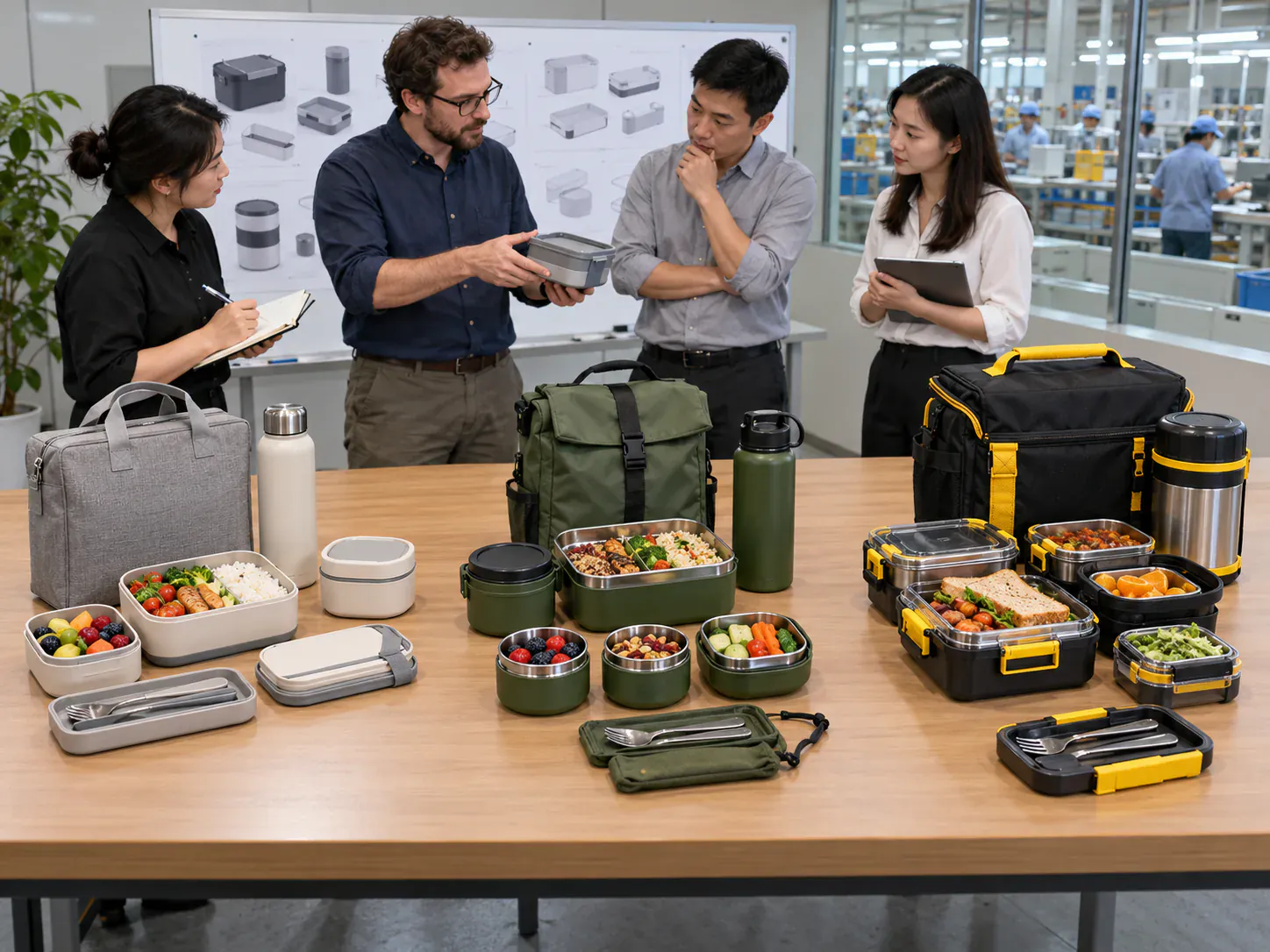
List every sold component and whether it must be quoted; within Draw A Clear Product And Accessory Boundary, review this commercial intent point against the selected product, intended market and current revision rather than as a generic catalog promise. For commercial intent in Draw A Clear Product And Accessory Boundary, record what is fixed, what remains open, the responsible owner and the evidence that will close decision 1. Frame the information around the real buying scenario so the factory can respond to the program rather than guess from a product photo during Draw A Clear Product And Accessory Boundary checkpoint 1. Naike carries the agreed Draw A Clear Product And Accessory Boundary checkpoint 1 into the component schedule, sample plan, quotation boundary and inspection record so purchasing, product and quality teams compare the same program.
Mark base configurations and alternatives separately; within Draw A Clear Product And Accessory Boundary, review this product boundary point against the selected product, intended market and current revision rather than as a generic catalog promise. For product boundary in Draw A Clear Product And Accessory Boundary, record what is fixed, what remains open, the responsible owner and the evidence that will close decision 2. Our quotation team uses the detail to identify compatible platforms, open decisions and buyer inputs during Draw A Clear Product And Accessory Boundary checkpoint 2. Naike carries the agreed Draw A Clear Product And Accessory Boundary checkpoint 2 into the component schedule, sample plan, quotation boundary and inspection record so purchasing, product and quality teams compare the same program.
Give capacity, footprint or functional priorities where they matter; within Draw A Clear Product And Accessory Boundary, review this approval evidence point against the selected product, intended market and current revision rather than as a generic catalog promise. For approval evidence in Draw A Clear Product And Accessory Boundary, record what is fixed, what remains open, the responsible owner and the evidence that will close decision 3. A useful RFQ need not contain every answer, but it must separate confirmed requirements from requests for recommendation during Draw A Clear Product And Accessory Boundary checkpoint 3. Naike carries the agreed Draw A Clear Product And Accessory Boundary checkpoint 3 into the component schedule, sample plan, quotation boundary and inspection record so purchasing, product and quality teams compare the same program.
Annotate reference images to explain the relevant feature; within Draw A Clear Product And Accessory Boundary, review this production release point against the selected product, intended market and current revision rather than as a generic catalog promise. For production release in Draw A Clear Product And Accessory Boundary, record what is fixed, what remains open, the responsible owner and the evidence that will close decision 4. That distinction makes the first quotation more comparable and the next discussion more productive during Draw A Clear Product And Accessory Boundary checkpoint 4. Naike carries the agreed Draw A Clear Product And Accessory Boundary checkpoint 4 into the component schedule, sample plan, quotation boundary and inspection record so purchasing, product and quality teams compare the same program.
Separate Fixed Requirements From Recommendations
How can an incomplete lunch box RFQ still be useful?
Label each major point as confirmed, preferred or open; within Separate Fixed Requirements From Recommendations, review this commercial intent point against the selected product, intended market and current revision rather than as a generic catalog promise. For commercial intent in Separate Fixed Requirements From Recommendations, record what is fixed, what remains open, the responsible owner and the evidence that will close decision 1. Frame the information around the real buying scenario so the factory can respond to the program rather than guess from a product photo during Separate Fixed Requirements From Recommendations checkpoint 1. Naike carries the agreed Separate Fixed Requirements From Recommendations checkpoint 1 into the component schedule, sample plan, quotation boundary and inspection record so purchasing, product and quality teams compare the same program.
Explain the business reason behind any fixed requirement; within Separate Fixed Requirements From Recommendations, review this product boundary point against the selected product, intended market and current revision rather than as a generic catalog promise. For product boundary in Separate Fixed Requirements From Recommendations, record what is fixed, what remains open, the responsible owner and the evidence that will close decision 2. Our quotation team uses the detail to identify compatible platforms, open decisions and buyer inputs during Separate Fixed Requirements From Recommendations checkpoint 2. Naike carries the agreed Separate Fixed Requirements From Recommendations checkpoint 2 into the component schedule, sample plan, quotation boundary and inspection record so purchasing, product and quality teams compare the same program.
Ask targeted questions for open material, decoration or packaging items; within Separate Fixed Requirements From Recommendations, review this approval evidence point against the selected product, intended market and current revision rather than as a generic catalog promise. For approval evidence in Separate Fixed Requirements From Recommendations, record what is fixed, what remains open, the responsible owner and the evidence that will close decision 3. A useful RFQ need not contain every answer, but it must separate confirmed requirements from requests for recommendation during Separate Fixed Requirements From Recommendations checkpoint 3. Naike carries the agreed Separate Fixed Requirements From Recommendations checkpoint 3 into the component schedule, sample plan, quotation boundary and inspection record so purchasing, product and quality teams compare the same program.
Track decisions in a revision table as the RFQ develops; within Separate Fixed Requirements From Recommendations, review this production release point against the selected product, intended market and current revision rather than as a generic catalog promise. For production release in Separate Fixed Requirements From Recommendations, record what is fixed, what remains open, the responsible owner and the evidence that will close decision 4. That distinction makes the first quotation more comparable and the next discussion more productive during Separate Fixed Requirements From Recommendations checkpoint 4. Naike carries the agreed Separate Fixed Requirements From Recommendations checkpoint 4 into the component schedule, sample plan, quotation boundary and inspection record so purchasing, product and quality teams compare the same program.
Define Branding Without Hiding Function
What brand inputs support a lunch box quotation?
Provide logo files, brand colors, locations and desired appearance; within Define Branding Without Hiding Function, review this commercial intent point against the selected product, intended market and current revision rather than as a generic catalog promise. For commercial intent in Define Branding Without Hiding Function, record what is fixed, what remains open, the responsible owner and the evidence that will close decision 1. Frame the information around the real buying scenario so the factory can respond to the program rather than guess from a product photo during Define Branding Without Hiding Function checkpoint 1. Naike carries the agreed Define Branding Without Hiding Function checkpoint 1 into the component schedule, sample plan, quotation boundary and inspection record so purchasing, product and quality teams compare the same program.
Separate buyer copy approval from factory production layouts; within Define Branding Without Hiding Function, review this product boundary point against the selected product, intended market and current revision rather than as a generic catalog promise. For product boundary in Define Branding Without Hiding Function, record what is fixed, what remains open, the responsible owner and the evidence that will close decision 2. Our quotation team uses the detail to identify compatible platforms, open decisions and buyer inputs during Define Branding Without Hiding Function checkpoint 2. Naike carries the agreed Define Branding Without Hiding Function checkpoint 2 into the component schedule, sample plan, quotation boundary and inspection record so purchasing, product and quality teams compare the same program.
Select decoration according to material, surface and use; within Define Branding Without Hiding Function, review this approval evidence point against the selected product, intended market and current revision rather than as a generic catalog promise. For approval evidence in Define Branding Without Hiding Function, record what is fixed, what remains open, the responsible owner and the evidence that will close decision 3. A useful RFQ need not contain every answer, but it must separate confirmed requirements from requests for recommendation during Define Branding Without Hiding Function checkpoint 3. Naike carries the agreed Define Branding Without Hiding Function checkpoint 3 into the component schedule, sample plan, quotation boundary and inspection record so purchasing, product and quality teams compare the same program.
Describe packaging hierarchy and channel needs before artwork begins; within Define Branding Without Hiding Function, review this production release point against the selected product, intended market and current revision rather than as a generic catalog promise. For production release in Define Branding Without Hiding Function, record what is fixed, what remains open, the responsible owner and the evidence that will close decision 4. That distinction makes the first quotation more comparable and the next discussion more productive during Define Branding Without Hiding Function checkpoint 4. Naike carries the agreed Define Branding Without Hiding Function checkpoint 4 into the component schedule, sample plan, quotation boundary and inspection record so purchasing, product and quality teams compare the same program.
Compare A Weak And Quote-Ready RFQ
| Element | Weak Input | Quote-Ready Input | Factory Benefit |
|---|---|---|---|
| Quantity | 10,000 sets | Quantity by model, color and pack | Shows real lot structure |
| Product | Like the attached photo | Components plus annotated preferences | Prevents hidden assumptions |
| Quality | Must be leakproof | Defined contents, orientation and duration | Creates a testable request |
| Timing | Need urgently | Sample, approval and delivery milestones | Makes dependencies visible |
Translate Performance Words Into Conditions
Which quality details belong in a lunch box RFQ?
State conditions behind leak resistance, insulation and durability claims; within Translate Performance Words Into Conditions, review this commercial intent point against the selected product, intended market and current revision rather than as a generic catalog promise. For commercial intent in Translate Performance Words Into Conditions, record what is fixed, what remains open, the responsible owner and the evidence that will close decision 1. Frame the information around the real buying scenario so the factory can respond to the program rather than guess from a product photo during Translate Performance Words Into Conditions checkpoint 1. Naike carries the agreed Translate Performance Words Into Conditions checkpoint 1 into the component schedule, sample plan, quotation boundary and inspection record so purchasing, product and quality teams compare the same program.
Identify destination documents or retailer protocols needing review; within Translate Performance Words Into Conditions, review this product boundary point against the selected product, intended market and current revision rather than as a generic catalog promise. For product boundary in Translate Performance Words Into Conditions, record what is fixed, what remains open, the responsible owner and the evidence that will close decision 2. Our quotation team uses the detail to identify compatible platforms, open decisions and buyer inputs during Translate Performance Words Into Conditions checkpoint 2. Naike carries the agreed Translate Performance Words Into Conditions checkpoint 2 into the component schedule, sample plan, quotation boundary and inspection record so purchasing, product and quality teams compare the same program.
List critical appearance, dimensional and assembly points; within Translate Performance Words Into Conditions, review this approval evidence point against the selected product, intended market and current revision rather than as a generic catalog promise. For approval evidence in Translate Performance Words Into Conditions, record what is fixed, what remains open, the responsible owner and the evidence that will close decision 3. A useful RFQ need not contain every answer, but it must separate confirmed requirements from requests for recommendation during Translate Performance Words Into Conditions checkpoint 3. Naike carries the agreed Translate Performance Words Into Conditions checkpoint 3 into the component schedule, sample plan, quotation boundary and inspection record so purchasing, product and quality teams compare the same program.
Distinguish development validation from routine inspection; within Translate Performance Words Into Conditions, review this production release point against the selected product, intended market and current revision rather than as a generic catalog promise. For production release in Translate Performance Words Into Conditions, record what is fixed, what remains open, the responsible owner and the evidence that will close decision 4. That distinction makes the first quotation more comparable and the next discussion more productive during Translate Performance Words Into Conditions checkpoint 4. Naike carries the agreed Translate Performance Words Into Conditions checkpoint 4 into the component schedule, sample plan, quotation boundary and inspection record so purchasing, product and quality teams compare the same program.
Request A Quotation With Visible Boundaries
What makes a custom lunch box quotation comparable?
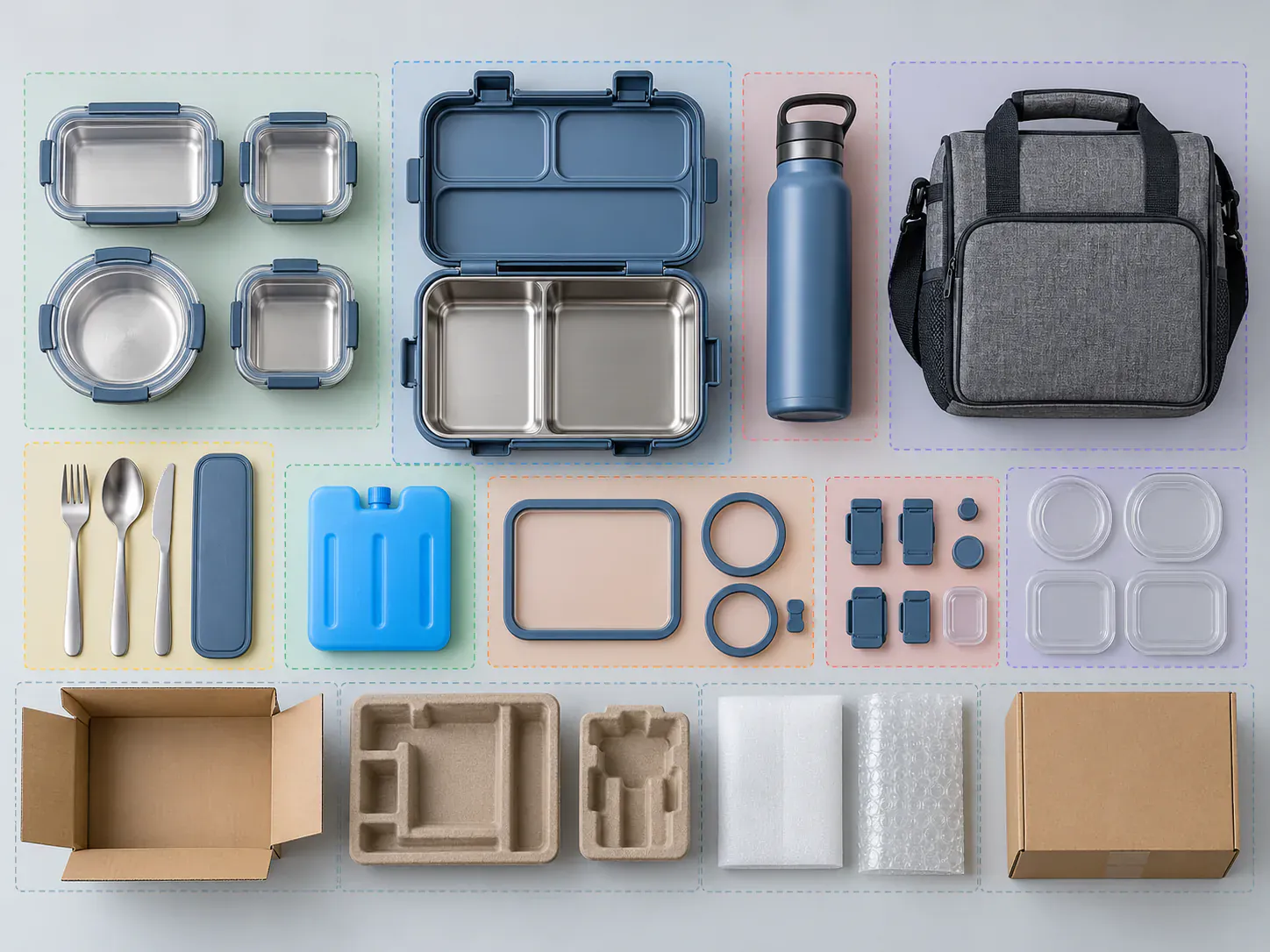
Ask the supplier to restate components, materials, decoration and packaging basis; within Request A Quotation With Visible Boundaries, review this commercial intent point against the selected product, intended market and current revision rather than as a generic catalog promise. For commercial intent in Request A Quotation With Visible Boundaries, record what is fixed, what remains open, the responsible owner and the evidence that will close decision 1. Frame the information around the real buying scenario so the factory can respond to the program rather than guess from a product photo during Request A Quotation With Visible Boundaries checkpoint 1. Naike carries the agreed Request A Quotation With Visible Boundaries checkpoint 1 into the component schedule, sample plan, quotation boundary and inspection record so purchasing, product and quality teams compare the same program.
Request MOQ, unit basis, tooling, sample route and exclusions; within Request A Quotation With Visible Boundaries, review this product boundary point against the selected product, intended market and current revision rather than as a generic catalog promise. For product boundary in Request A Quotation With Visible Boundaries, record what is fixed, what remains open, the responsible owner and the evidence that will close decision 2. Our quotation team uses the detail to identify compatible platforms, open decisions and buyer inputs during Request A Quotation With Visible Boundaries checkpoint 2. Naike carries the agreed Request A Quotation With Visible Boundaries checkpoint 2 into the component schedule, sample plan, quotation boundary and inspection record so purchasing, product and quality teams compare the same program.
Compare lead-time assumptions, buyer approvals and dependencies; within Request A Quotation With Visible Boundaries, review this approval evidence point against the selected product, intended market and current revision rather than as a generic catalog promise. For approval evidence in Request A Quotation With Visible Boundaries, record what is fixed, what remains open, the responsible owner and the evidence that will close decision 3. A useful RFQ need not contain every answer, but it must separate confirmed requirements from requests for recommendation during Request A Quotation With Visible Boundaries checkpoint 3. Naike carries the agreed Request A Quotation With Visible Boundaries checkpoint 3 into the component schedule, sample plan, quotation boundary and inspection record so purchasing, product and quality teams compare the same program.
Align scope before focusing negotiation on price; within Request A Quotation With Visible Boundaries, review this production release point against the selected product, intended market and current revision rather than as a generic catalog promise. For production release in Request A Quotation With Visible Boundaries, record what is fixed, what remains open, the responsible owner and the evidence that will close decision 4. That distinction makes the first quotation more comparable and the next discussion more productive during Request A Quotation With Visible Boundaries checkpoint 4. Naike carries the agreed Request A Quotation With Visible Boundaries checkpoint 4 into the component schedule, sample plan, quotation boundary and inspection record so purchasing, product and quality teams compare the same program.
Turn The RFQ Into A Controlled Handoff
How does a lunch box RFQ move toward production?
Convert the selected quotation into a revision-controlled project brief; within Turn The RFQ Into A Controlled Handoff, review this commercial intent point against the selected product, intended market and current revision rather than as a generic catalog promise. For commercial intent in Turn The RFQ Into A Controlled Handoff, record what is fixed, what remains open, the responsible owner and the evidence that will close decision 1. Frame the information around the real buying scenario so the factory can respond to the program rather than guess from a product photo during Turn The RFQ Into A Controlled Handoff checkpoint 1. Naike carries the agreed Turn The RFQ Into A Controlled Handoff checkpoint 1 into the component schedule, sample plan, quotation boundary and inspection record so purchasing, product and quality teams compare the same program.
Create milestones for buyer inputs and factory outputs; within Turn The RFQ Into A Controlled Handoff, review this product boundary point against the selected product, intended market and current revision rather than as a generic catalog promise. For product boundary in Turn The RFQ Into A Controlled Handoff, record what is fixed, what remains open, the responsible owner and the evidence that will close decision 2. Our quotation team uses the detail to identify compatible platforms, open decisions and buyer inputs during Turn The RFQ Into A Controlled Handoff checkpoint 2. Naike carries the agreed Turn The RFQ Into A Controlled Handoff checkpoint 2 into the component schedule, sample plan, quotation boundary and inspection record so purchasing, product and quality teams compare the same program.
Resolve open points affecting price, tooling or compliance before release; within Turn The RFQ Into A Controlled Handoff, review this approval evidence point against the selected product, intended market and current revision rather than as a generic catalog promise. For approval evidence in Turn The RFQ Into A Controlled Handoff, record what is fixed, what remains open, the responsible owner and the evidence that will close decision 3. A useful RFQ need not contain every answer, but it must separate confirmed requirements from requests for recommendation during Turn The RFQ Into A Controlled Handoff checkpoint 3. Naike carries the agreed Turn The RFQ Into A Controlled Handoff checkpoint 3 into the component schedule, sample plan, quotation boundary and inspection record so purchasing, product and quality teams compare the same program.
Retain the approved brief for changes and repeat orders; within Turn The RFQ Into A Controlled Handoff, review this production release point against the selected product, intended market and current revision rather than as a generic catalog promise. For production release in Turn The RFQ Into A Controlled Handoff, record what is fixed, what remains open, the responsible owner and the evidence that will close decision 4. That distinction makes the first quotation more comparable and the next discussion more productive during Turn The RFQ Into A Controlled Handoff checkpoint 4. Naike carries the agreed Turn The RFQ Into A Controlled Handoff checkpoint 4 into the component schedule, sample plan, quotation boundary and inspection record so purchasing, product and quality teams compare the same program.

B2B Buyer FAQ
lunch box RFQ Questions Buyers Ask
Does an RFQ need a finished specification?
No. It needs enough commercial and use context to select a viable route, plus clear labels for confirmed, preferred and open points.
Can Naike quote from a reference image?
An image can start discussion, but the buyer should annotate relevant features and add components, quantity, customization, packaging and evidence assumptions.
Why split quantity by color and model?
Production setup, color lots, decoration and packaging are controlled by configuration. One total can hide several inefficient small runs.
What if the buyer does not know material?
Describe use, food contact, temperature, cleaning and target position, then mark material open for recommendation.
Should target price be included?
A realistic target position helps prioritize features when it accompanies the required configuration and volume.
How quickly is a quotation prepared?
Timing depends on brief completeness and development route. Platform work can be assessed faster than unscoped new tooling.
Conclusion And Next Step
lunch box RFQ: Turn The Guide Into An RFQ
A lunch box RFQ creates better results when it explains the buyer scenario, component boundary, quantity mix, customization, evidence and milestones. Use Naike’s inquiry form to send confirmed facts and mark unknown items for recommendation so our team can respond around a defined custom lunch box quotation scope.
Explore Naike