
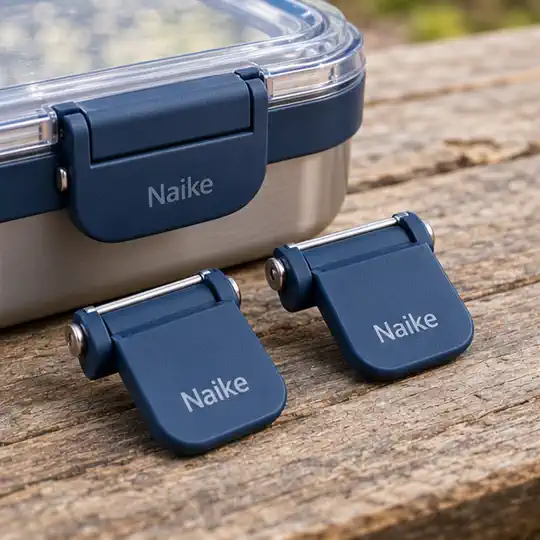
Factory Answer
lunch box closure cycle testing: Start With A Controlled Brief
Lunch Box Closure Cycle Testing Guide begins with a direct factory answer: buyers should define the selected product and intended market before accepting a material, performance, price or compliance claim.
For lunch box closure cycle testing, Naike connects the commercial question to defined cycle protocols, force observations, wear records and post-cycle leak or fit results.
The applicable lunch box closure cycle testing recommendation depends on the configuration, quantity, destination and reusable lunch box durability programs. This Factory Insider guide turns the lunch box closure cycle testing inputs into a comparison, evidence plan, buyer checklist and RFQ path.
Lunch Box Closure Cycle Testing: Define The Closure System
Lunch Box Closure Cycle Testing: what should buyers verify for define the closure system?
Define define the closure system for latch and closure durability validation using the actual buyer, product configuration and destination market.
within Lunch Box Closure Cycle Testing Define The Closure System, review this commercial intent point against the selected product, intended market and current revision rather than as a generic catalog promise.
For commercial intent in Lunch Box Closure Cycle Testing Define The Closure System, record what is fixed, what remains open, the responsible owner and the evidence that will close decision 1.
Treat the point as a diagnosis before asking for price, because an attractive reference image does not reveal the assumptions behind it during Lunch Box Closure Cycle Testing Define The Closure System checkpoint 1.
Naike carries the agreed Lunch Box Closure Cycle Testing Define The Closure System checkpoint 1 into the component schedule, sample plan, quotation boundary and inspection record so purchasing, product and quality teams compare the same program.
Connect define the closure system to defined cycle protocols, force observations, wear records and post-cycle leak or fit results instead of relying on an unsupported catalog statement.
within Lunch Box Closure Cycle Testing Define The Closure System, review this product boundary point against the selected product, intended market and current revision rather than as a generic catalog promise.
For product boundary in Lunch Box Closure Cycle Testing Define The Closure System, record what is fixed, what remains open, the responsible owner and the evidence that will close decision 2.
Naike uses this answer to separate a real requirement from a preference that can stay open during platform review during Lunch Box Closure Cycle Testing Define The Closure System checkpoint 2.
Naike carries the agreed Lunch Box Closure Cycle Testing Define The Closure System checkpoint 2 into the component schedule, sample plan, quotation boundary and inspection record so purchasing, product and quality teams compare the same program.
Compare the available route for define the closure system against cost, timing, product risk and reusable lunch box durability programs.
within Lunch Box Closure Cycle Testing Define The Closure System, review this approval evidence point against the selected product, intended market and current revision rather than as a generic catalog promise.
For approval evidence in Lunch Box Closure Cycle Testing Define The Closure System, record what is fixed, what remains open, the responsible owner and the evidence that will close decision 3.
The buyer should name the decision owner and evidence needed to close the point before production during Lunch Box Closure Cycle Testing Define The Closure System checkpoint 3.
Naike carries the agreed Lunch Box Closure Cycle Testing Define The Closure System checkpoint 3 into the component schedule, sample plan, quotation boundary and inspection record so purchasing, product and quality teams compare the same program.
Record the approved decision for define the closure system so the quotation, sample and production lot follow one reference.
within Lunch Box Closure Cycle Testing Define The Closure System, review this production release point against the selected product, intended market and current revision rather than as a generic catalog promise.
For production release in Lunch Box Closure Cycle Testing Define The Closure System, record what is fixed, what remains open, the responsible owner and the evidence that will close decision 4.
This keeps the quotation attached to one reviewable configuration instead of an unscoped family of options during Lunch Box Closure Cycle Testing Define The Closure System checkpoint 4.
Naike carries the agreed Lunch Box Closure Cycle Testing Define The Closure System checkpoint 4 into the component schedule, sample plan, quotation boundary and inspection record so purchasing, product and quality teams compare the same program.
For lunch box closure cycle testing specifications, compare Naike's lunch box product systems with the available custom development routes.
Select Representative Samples For Lunch Box Closure Cycle Testing Guide
Lunch Box Closure Cycle Testing: what should buyers verify for select representative samples?
Define select representative samples for latch and closure durability validation using the actual buyer, product configuration and destination market.
within Select Representative Samples For Lunch Box Closure Cycle Testing Guide, review this commercial intent point against the selected product, intended market and current revision rather than as a generic catalog promise.
For commercial intent in Select Representative Samples For Lunch Box Closure Cycle Testing Guide, record what is fixed, what remains open, the responsible owner and the evidence that will close decision 1.
Treat the point as a diagnosis before asking for price, because an attractive reference image does not reveal the assumptions behind it during Select Representative Samples For Lunch Box Closure Cycle Testing Guide checkpoint 1.
Naike carries the agreed Select Representative Samples For Lunch Box Closure Cycle Testing Guide checkpoint 1 into the component schedule, sample plan, quotation boundary and inspection record so purchasing, product and quality teams compare the same program.
Connect select representative samples to defined cycle protocols, force observations, wear records and post-cycle leak or fit results instead of relying on an unsupported catalog statement.
within Select Representative Samples For Lunch Box Closure Cycle Testing Guide, review this product boundary point against the selected product, intended market and current revision rather than as a generic catalog promise.
For product boundary in Select Representative Samples For Lunch Box Closure Cycle Testing Guide, record what is fixed, what remains open, the responsible owner and the evidence that will close decision 2.
Naike uses this answer to separate a real requirement from a preference that can stay open during platform review during Select Representative Samples For Lunch Box Closure Cycle Testing Guide checkpoint 2.
Naike carries the agreed Select Representative Samples For Lunch Box Closure Cycle Testing Guide checkpoint 2 into the component schedule, sample plan, quotation boundary and inspection record so purchasing, product and quality teams compare the same program.
Compare the available route for select representative samples against cost, timing, product risk and reusable lunch box durability programs.
within Select Representative Samples For Lunch Box Closure Cycle Testing Guide, review this approval evidence point against the selected product, intended market and current revision rather than as a generic catalog promise.
For approval evidence in Select Representative Samples For Lunch Box Closure Cycle Testing Guide, record what is fixed, what remains open, the responsible owner and the evidence that will close decision 3.
The buyer should name the decision owner and evidence needed to close the point before production during Select Representative Samples For Lunch Box Closure Cycle Testing Guide checkpoint 3.
Naike carries the agreed Select Representative Samples For Lunch Box Closure Cycle Testing Guide checkpoint 3 into the component schedule, sample plan, quotation boundary and inspection record so purchasing, product and quality teams compare the same program.
Record the approved decision for select representative samples so the quotation, sample and production lot follow one reference.
within Select Representative Samples For Lunch Box Closure Cycle Testing Guide, review this production release point against the selected product, intended market and current revision rather than as a generic catalog promise.
For production release in Select Representative Samples For Lunch Box Closure Cycle Testing Guide, record what is fixed, what remains open, the responsible owner and the evidence that will close decision 4.
This keeps the quotation attached to one reviewable configuration instead of an unscoped family of options during Select Representative Samples For Lunch Box Closure Cycle Testing Guide checkpoint 4.
Naike carries the agreed Select Representative Samples For Lunch Box Closure Cycle Testing Guide checkpoint 4 into the component schedule, sample plan, quotation boundary and inspection record so purchasing, product and quality teams compare the same program.

Compare Lunch Box Closure Cycle Testing Decision Routes
| Decision Area | Lower-Risk Route | Higher-Complexity Route | Evidence To Request |
|---|---|---|---|
| Define The Closure System | Use an approved platform with controlled define the closure system | Request project-specific change for define the closure system | defined cycle protocols |
| Select Representative Samples | Use an approved platform with controlled select representative samples | Request project-specific change for select representative samples | force observations |
| Set Cycle Conditions | Use an approved platform with controlled set cycle conditions | Request project-specific change for set cycle conditions | wear records and post-cycle leak or fit results |
| Control Test Speed | Use an approved platform with controlled control test speed | Request project-specific change for control test speed | defined cycle protocols |
Set Cycle Conditions For Lunch Box Closure Cycle Testing Guide
Lunch Box Closure Cycle Testing: what should buyers verify for set cycle conditions?
Define set cycle conditions for latch and closure durability validation using the actual buyer, product configuration and destination market.
within Set Cycle Conditions For Lunch Box Closure Cycle Testing Guide, review this commercial intent point against the selected product, intended market and current revision rather than as a generic catalog promise.
For commercial intent in Set Cycle Conditions For Lunch Box Closure Cycle Testing Guide, record what is fixed, what remains open, the responsible owner and the evidence that will close decision 1.
Treat the point as a diagnosis before asking for price, because an attractive reference image does not reveal the assumptions behind it during Set Cycle Conditions For Lunch Box Closure Cycle Testing Guide checkpoint 1.
Naike carries the agreed Set Cycle Conditions For Lunch Box Closure Cycle Testing Guide checkpoint 1 into the component schedule, sample plan, quotation boundary and inspection record so purchasing, product and quality teams compare the same program.
Connect set cycle conditions to defined cycle protocols, force observations, wear records and post-cycle leak or fit results instead of relying on an unsupported catalog statement.
within Set Cycle Conditions For Lunch Box Closure Cycle Testing Guide, review this product boundary point against the selected product, intended market and current revision rather than as a generic catalog promise.
For product boundary in Set Cycle Conditions For Lunch Box Closure Cycle Testing Guide, record what is fixed, what remains open, the responsible owner and the evidence that will close decision 2.
Naike uses this answer to separate a real requirement from a preference that can stay open during platform review during Set Cycle Conditions For Lunch Box Closure Cycle Testing Guide checkpoint 2.
Naike carries the agreed Set Cycle Conditions For Lunch Box Closure Cycle Testing Guide checkpoint 2 into the component schedule, sample plan, quotation boundary and inspection record so purchasing, product and quality teams compare the same program.
Compare the available route for set cycle conditions against cost, timing, product risk and reusable lunch box durability programs.
within Set Cycle Conditions For Lunch Box Closure Cycle Testing Guide, review this approval evidence point against the selected product, intended market and current revision rather than as a generic catalog promise.
For approval evidence in Set Cycle Conditions For Lunch Box Closure Cycle Testing Guide, record what is fixed, what remains open, the responsible owner and the evidence that will close decision 3.
The buyer should name the decision owner and evidence needed to close the point before production during Set Cycle Conditions For Lunch Box Closure Cycle Testing Guide checkpoint 3.
Naike carries the agreed Set Cycle Conditions For Lunch Box Closure Cycle Testing Guide checkpoint 3 into the component schedule, sample plan, quotation boundary and inspection record so purchasing, product and quality teams compare the same program.
Record the approved decision for set cycle conditions so the quotation, sample and production lot follow one reference.
within Set Cycle Conditions For Lunch Box Closure Cycle Testing Guide, review this production release point against the selected product, intended market and current revision rather than as a generic catalog promise.
For production release in Set Cycle Conditions For Lunch Box Closure Cycle Testing Guide, record what is fixed, what remains open, the responsible owner and the evidence that will close decision 4.
This keeps the quotation attached to one reviewable configuration instead of an unscoped family of options during Set Cycle Conditions For Lunch Box Closure Cycle Testing Guide checkpoint 4.
Naike carries the agreed Set Cycle Conditions For Lunch Box Closure Cycle Testing Guide checkpoint 4 into the component schedule, sample plan, quotation boundary and inspection record so purchasing, product and quality teams compare the same program.
For independent context relevant to lunch box closure cycle testing, review the NIST Baldrige performance framework.
Control Test Speed For Lunch Box Closure Cycle Testing Guide
Lunch Box Closure Cycle Testing: what should buyers verify for control test speed?
Define control test speed for latch and closure durability validation using the actual buyer, product configuration and destination market.
within Control Test Speed For Lunch Box Closure Cycle Testing Guide, review this commercial intent point against the selected product, intended market and current revision rather than as a generic catalog promise.
For commercial intent in Control Test Speed For Lunch Box Closure Cycle Testing Guide, record what is fixed, what remains open, the responsible owner and the evidence that will close decision 1.
Treat the point as a diagnosis before asking for price, because an attractive reference image does not reveal the assumptions behind it during Control Test Speed For Lunch Box Closure Cycle Testing Guide checkpoint 1.
Naike carries the agreed Control Test Speed For Lunch Box Closure Cycle Testing Guide checkpoint 1 into the component schedule, sample plan, quotation boundary and inspection record so purchasing, product and quality teams compare the same program.
Connect control test speed to defined cycle protocols, force observations, wear records and post-cycle leak or fit results instead of relying on an unsupported catalog statement.
within Control Test Speed For Lunch Box Closure Cycle Testing Guide, review this product boundary point against the selected product, intended market and current revision rather than as a generic catalog promise.
For product boundary in Control Test Speed For Lunch Box Closure Cycle Testing Guide, record what is fixed, what remains open, the responsible owner and the evidence that will close decision 2.
Naike uses this answer to separate a real requirement from a preference that can stay open during platform review during Control Test Speed For Lunch Box Closure Cycle Testing Guide checkpoint 2.
Naike carries the agreed Control Test Speed For Lunch Box Closure Cycle Testing Guide checkpoint 2 into the component schedule, sample plan, quotation boundary and inspection record so purchasing, product and quality teams compare the same program.
Compare the available route for control test speed against cost, timing, product risk and reusable lunch box durability programs.
within Control Test Speed For Lunch Box Closure Cycle Testing Guide, review this approval evidence point against the selected product, intended market and current revision rather than as a generic catalog promise.
For approval evidence in Control Test Speed For Lunch Box Closure Cycle Testing Guide, record what is fixed, what remains open, the responsible owner and the evidence that will close decision 3.
The buyer should name the decision owner and evidence needed to close the point before production during Control Test Speed For Lunch Box Closure Cycle Testing Guide checkpoint 3.
Naike carries the agreed Control Test Speed For Lunch Box Closure Cycle Testing Guide checkpoint 3 into the component schedule, sample plan, quotation boundary and inspection record so purchasing, product and quality teams compare the same program.
Record the approved decision for control test speed so the quotation, sample and production lot follow one reference.
within Control Test Speed For Lunch Box Closure Cycle Testing Guide, review this production release point against the selected product, intended market and current revision rather than as a generic catalog promise.
For production release in Control Test Speed For Lunch Box Closure Cycle Testing Guide, record what is fixed, what remains open, the responsible owner and the evidence that will close decision 4.
This keeps the quotation attached to one reviewable configuration instead of an unscoped family of options during Control Test Speed For Lunch Box Closure Cycle Testing Guide checkpoint 4.
Naike carries the agreed Control Test Speed For Lunch Box Closure Cycle Testing Guide checkpoint 4 into the component schedule, sample plan, quotation boundary and inspection record so purchasing, product and quality teams compare the same program.
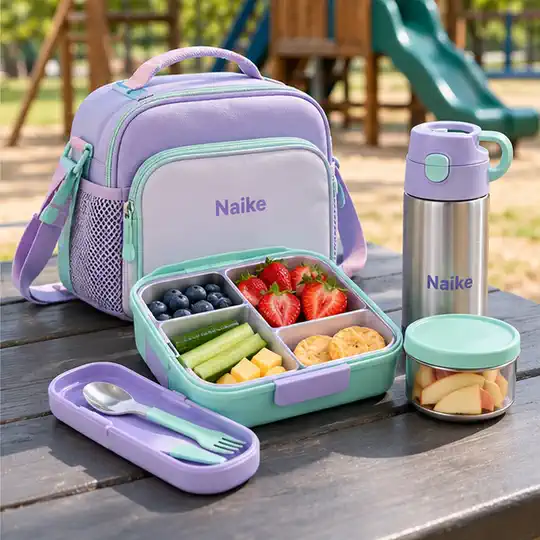
Inspect At Intervals For Lunch Box Closure Cycle Testing Guide
Lunch Box Closure Cycle Testing: what should buyers verify for inspect at intervals?
Define inspect at intervals for latch and closure durability validation using the actual buyer, product configuration and destination market.
within Inspect At Intervals For Lunch Box Closure Cycle Testing Guide, review this commercial intent point against the selected product, intended market and current revision rather than as a generic catalog promise.
For commercial intent in Inspect At Intervals For Lunch Box Closure Cycle Testing Guide, record what is fixed, what remains open, the responsible owner and the evidence that will close decision 1.
Treat the point as a diagnosis before asking for price, because an attractive reference image does not reveal the assumptions behind it during Inspect At Intervals For Lunch Box Closure Cycle Testing Guide checkpoint 1.
Naike carries the agreed Inspect At Intervals For Lunch Box Closure Cycle Testing Guide checkpoint 1 into the component schedule, sample plan, quotation boundary and inspection record so purchasing, product and quality teams compare the same program.
Connect inspect at intervals to defined cycle protocols, force observations, wear records and post-cycle leak or fit results instead of relying on an unsupported catalog statement.
within Inspect At Intervals For Lunch Box Closure Cycle Testing Guide, review this product boundary point against the selected product, intended market and current revision rather than as a generic catalog promise.
For product boundary in Inspect At Intervals For Lunch Box Closure Cycle Testing Guide, record what is fixed, what remains open, the responsible owner and the evidence that will close decision 2.
Naike uses this answer to separate a real requirement from a preference that can stay open during platform review during Inspect At Intervals For Lunch Box Closure Cycle Testing Guide checkpoint 2.
Naike carries the agreed Inspect At Intervals For Lunch Box Closure Cycle Testing Guide checkpoint 2 into the component schedule, sample plan, quotation boundary and inspection record so purchasing, product and quality teams compare the same program.
Compare the available route for inspect at intervals against cost, timing, product risk and reusable lunch box durability programs.
within Inspect At Intervals For Lunch Box Closure Cycle Testing Guide, review this approval evidence point against the selected product, intended market and current revision rather than as a generic catalog promise.
For approval evidence in Inspect At Intervals For Lunch Box Closure Cycle Testing Guide, record what is fixed, what remains open, the responsible owner and the evidence that will close decision 3.
The buyer should name the decision owner and evidence needed to close the point before production during Inspect At Intervals For Lunch Box Closure Cycle Testing Guide checkpoint 3.
Naike carries the agreed Inspect At Intervals For Lunch Box Closure Cycle Testing Guide checkpoint 3 into the component schedule, sample plan, quotation boundary and inspection record so purchasing, product and quality teams compare the same program.
Record the approved decision for inspect at intervals so the quotation, sample and production lot follow one reference.
within Inspect At Intervals For Lunch Box Closure Cycle Testing Guide, review this production release point against the selected product, intended market and current revision rather than as a generic catalog promise.
For production release in Inspect At Intervals For Lunch Box Closure Cycle Testing Guide, record what is fixed, what remains open, the responsible owner and the evidence that will close decision 4.
This keeps the quotation attached to one reviewable configuration instead of an unscoped family of options during Inspect At Intervals For Lunch Box Closure Cycle Testing Guide checkpoint 4.
Naike carries the agreed Inspect At Intervals For Lunch Box Closure Cycle Testing Guide checkpoint 4 into the component schedule, sample plan, quotation boundary and inspection record so purchasing, product and quality teams compare the same program.
Connect the lunch box closure cycle testing decision to Naike's quality planning controls and factory capabilities.
B2B Buyer Checklist
lunch box closure cycle testing Buyer Checklist
| Check | Question | Why It Matters |
|---|---|---|
| Define The Closure System | Has the buyer defined define the closure system for the selected lunch box closure cycle testing? | Define The Closure System changes configuration. |
| Select Representative Samples | Has the buyer defined select representative samples for the selected lunch box closure cycle testing? | Select Representative Samples changes evidence. |
| Set Cycle Conditions | Has the buyer defined set cycle conditions for the selected lunch box closure cycle testing? | Set Cycle Conditions changes cost. |
| Control Test Speed | Has the buyer defined control test speed for the selected lunch box closure cycle testing? | Control Test Speed changes timing. |
| Inspect At Intervals | Has the buyer defined inspect at intervals for the selected lunch box closure cycle testing? | Inspect At Intervals changes packaging. |
| Measure Wear And Looseness | Has the buyer defined measure wear and looseness for the selected lunch box closure cycle testing? | Measure Wear And Looseness changes production control. |
Measure Wear And Looseness For Lunch Box Closure Cycle Testing Guide
Lunch Box Closure Cycle Testing: what should buyers verify for measure wear and looseness?
Define measure wear and looseness for latch and closure durability validation using the actual buyer, product configuration and destination market.
within Measure Wear And Looseness For Lunch Box Closure Cycle Testing Guide, review this commercial intent point against the selected product, intended market and current revision rather than as a generic catalog promise.
For commercial intent in Measure Wear And Looseness For Lunch Box Closure Cycle Testing Guide, record what is fixed, what remains open, the responsible owner and the evidence that will close decision 1.
Treat the point as a diagnosis before asking for price, because an attractive reference image does not reveal the assumptions behind it during Measure Wear And Looseness For Lunch Box Closure Cycle Testing Guide checkpoint 1.
Naike carries the agreed Measure Wear And Looseness For Lunch Box Closure Cycle Testing Guide checkpoint 1 into the component schedule, sample plan, quotation boundary and inspection record so purchasing, product and quality teams compare the same program.
Connect measure wear and looseness to defined cycle protocols, force observations, wear records and post-cycle leak or fit results instead of relying on an unsupported catalog statement.
within Measure Wear And Looseness For Lunch Box Closure Cycle Testing Guide, review this product boundary point against the selected product, intended market and current revision rather than as a generic catalog promise.
For product boundary in Measure Wear And Looseness For Lunch Box Closure Cycle Testing Guide, record what is fixed, what remains open, the responsible owner and the evidence that will close decision 2.
Naike uses this answer to separate a real requirement from a preference that can stay open during platform review during Measure Wear And Looseness For Lunch Box Closure Cycle Testing Guide checkpoint 2.
Naike carries the agreed Measure Wear And Looseness For Lunch Box Closure Cycle Testing Guide checkpoint 2 into the component schedule, sample plan, quotation boundary and inspection record so purchasing, product and quality teams compare the same program.
Compare the available route for measure wear and looseness against cost, timing, product risk and reusable lunch box durability programs.
within Measure Wear And Looseness For Lunch Box Closure Cycle Testing Guide, review this approval evidence point against the selected product, intended market and current revision rather than as a generic catalog promise.
For approval evidence in Measure Wear And Looseness For Lunch Box Closure Cycle Testing Guide, record what is fixed, what remains open, the responsible owner and the evidence that will close decision 3.
The buyer should name the decision owner and evidence needed to close the point before production during Measure Wear And Looseness For Lunch Box Closure Cycle Testing Guide checkpoint 3.
Naike carries the agreed Measure Wear And Looseness For Lunch Box Closure Cycle Testing Guide checkpoint 3 into the component schedule, sample plan, quotation boundary and inspection record so purchasing, product and quality teams compare the same program.
Record the approved decision for measure wear and looseness so the quotation, sample and production lot follow one reference.
within Measure Wear And Looseness For Lunch Box Closure Cycle Testing Guide, review this production release point against the selected product, intended market and current revision rather than as a generic catalog promise.
For production release in Measure Wear And Looseness For Lunch Box Closure Cycle Testing Guide, record what is fixed, what remains open, the responsible owner and the evidence that will close decision 4.
This keeps the quotation attached to one reviewable configuration instead of an unscoped family of options during Measure Wear And Looseness For Lunch Box Closure Cycle Testing Guide checkpoint 4.
Naike carries the agreed Measure Wear And Looseness For Lunch Box Closure Cycle Testing Guide checkpoint 4 into the component schedule, sample plan, quotation boundary and inspection record so purchasing, product and quality teams compare the same program.
Repeat Functional Tests For Lunch Box Closure Cycle Testing Guide
Lunch Box Closure Cycle Testing: what should buyers verify for repeat functional tests?
Define repeat functional tests for latch and closure durability validation using the actual buyer, product configuration and destination market.
within Repeat Functional Tests For Lunch Box Closure Cycle Testing Guide, review this commercial intent point against the selected product, intended market and current revision rather than as a generic catalog promise.
For commercial intent in Repeat Functional Tests For Lunch Box Closure Cycle Testing Guide, record what is fixed, what remains open, the responsible owner and the evidence that will close decision 1.
Treat the point as a diagnosis before asking for price, because an attractive reference image does not reveal the assumptions behind it during Repeat Functional Tests For Lunch Box Closure Cycle Testing Guide checkpoint 1.
Naike carries the agreed Repeat Functional Tests For Lunch Box Closure Cycle Testing Guide checkpoint 1 into the component schedule, sample plan, quotation boundary and inspection record so purchasing, product and quality teams compare the same program.
Connect repeat functional tests to defined cycle protocols, force observations, wear records and post-cycle leak or fit results instead of relying on an unsupported catalog statement.
within Repeat Functional Tests For Lunch Box Closure Cycle Testing Guide, review this product boundary point against the selected product, intended market and current revision rather than as a generic catalog promise.
For product boundary in Repeat Functional Tests For Lunch Box Closure Cycle Testing Guide, record what is fixed, what remains open, the responsible owner and the evidence that will close decision 2.
Naike uses this answer to separate a real requirement from a preference that can stay open during platform review during Repeat Functional Tests For Lunch Box Closure Cycle Testing Guide checkpoint 2.
Naike carries the agreed Repeat Functional Tests For Lunch Box Closure Cycle Testing Guide checkpoint 2 into the component schedule, sample plan, quotation boundary and inspection record so purchasing, product and quality teams compare the same program.
Compare the available route for repeat functional tests against cost, timing, product risk and reusable lunch box durability programs.
within Repeat Functional Tests For Lunch Box Closure Cycle Testing Guide, review this approval evidence point against the selected product, intended market and current revision rather than as a generic catalog promise.
For approval evidence in Repeat Functional Tests For Lunch Box Closure Cycle Testing Guide, record what is fixed, what remains open, the responsible owner and the evidence that will close decision 3.
The buyer should name the decision owner and evidence needed to close the point before production during Repeat Functional Tests For Lunch Box Closure Cycle Testing Guide checkpoint 3.
Naike carries the agreed Repeat Functional Tests For Lunch Box Closure Cycle Testing Guide checkpoint 3 into the component schedule, sample plan, quotation boundary and inspection record so purchasing, product and quality teams compare the same program.
Record the approved decision for repeat functional tests so the quotation, sample and production lot follow one reference.
within Repeat Functional Tests For Lunch Box Closure Cycle Testing Guide, review this production release point against the selected product, intended market and current revision rather than as a generic catalog promise.
For production release in Repeat Functional Tests For Lunch Box Closure Cycle Testing Guide, record what is fixed, what remains open, the responsible owner and the evidence that will close decision 4.
This keeps the quotation attached to one reviewable configuration instead of an unscoped family of options during Repeat Functional Tests For Lunch Box Closure Cycle Testing Guide checkpoint 4.
Naike carries the agreed Repeat Functional Tests For Lunch Box Closure Cycle Testing Guide checkpoint 4 into the component schedule, sample plan, quotation boundary and inspection record so purchasing, product and quality teams compare the same program.
Cross-check lunch box closure cycle testing evidence with the FDA food-contact substances overview, then continue with Lunch Box Import Documents and Shipping Data.
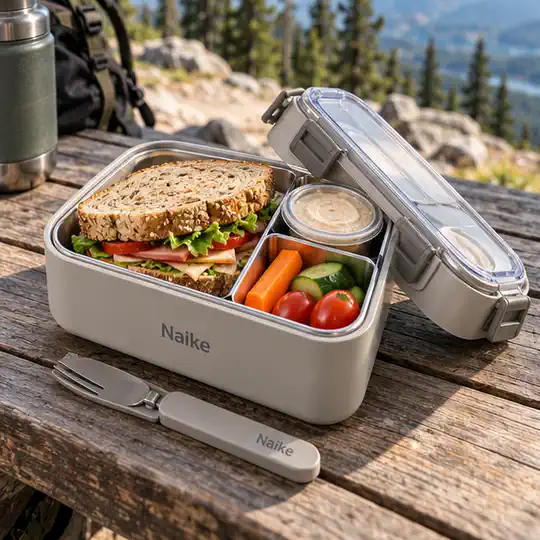
Link Results To Production For Lunch Box Closure Cycle Testing Guide
Lunch Box Closure Cycle Testing: what should buyers verify for link results to production?
Define link results to production for latch and closure durability validation using the actual buyer, product configuration and destination market.
within Link Results To Production For Lunch Box Closure Cycle Testing Guide, review this commercial intent point against the selected product, intended market and current revision rather than as a generic catalog promise.
For commercial intent in Link Results To Production For Lunch Box Closure Cycle Testing Guide, record what is fixed, what remains open, the responsible owner and the evidence that will close decision 1.
Treat the point as a diagnosis before asking for price, because an attractive reference image does not reveal the assumptions behind it during Link Results To Production For Lunch Box Closure Cycle Testing Guide checkpoint 1.
Naike carries the agreed Link Results To Production For Lunch Box Closure Cycle Testing Guide checkpoint 1 into the component schedule, sample plan, quotation boundary and inspection record so purchasing, product and quality teams compare the same program.
Connect link results to production to defined cycle protocols, force observations, wear records and post-cycle leak or fit results instead of relying on an unsupported catalog statement.
within Link Results To Production For Lunch Box Closure Cycle Testing Guide, review this product boundary point against the selected product, intended market and current revision rather than as a generic catalog promise.
For product boundary in Link Results To Production For Lunch Box Closure Cycle Testing Guide, record what is fixed, what remains open, the responsible owner and the evidence that will close decision 2.
Naike uses this answer to separate a real requirement from a preference that can stay open during platform review during Link Results To Production For Lunch Box Closure Cycle Testing Guide checkpoint 2.
Naike carries the agreed Link Results To Production For Lunch Box Closure Cycle Testing Guide checkpoint 2 into the component schedule, sample plan, quotation boundary and inspection record so purchasing, product and quality teams compare the same program.
Compare the available route for link results to production against cost, timing, product risk and reusable lunch box durability programs.
within Link Results To Production For Lunch Box Closure Cycle Testing Guide, review this approval evidence point against the selected product, intended market and current revision rather than as a generic catalog promise.
For approval evidence in Link Results To Production For Lunch Box Closure Cycle Testing Guide, record what is fixed, what remains open, the responsible owner and the evidence that will close decision 3.
The buyer should name the decision owner and evidence needed to close the point before production during Link Results To Production For Lunch Box Closure Cycle Testing Guide checkpoint 3.
Naike carries the agreed Link Results To Production For Lunch Box Closure Cycle Testing Guide checkpoint 3 into the component schedule, sample plan, quotation boundary and inspection record so purchasing, product and quality teams compare the same program.
Record the approved decision for link results to production so the quotation, sample and production lot follow one reference.
within Link Results To Production For Lunch Box Closure Cycle Testing Guide, review this production release point against the selected product, intended market and current revision rather than as a generic catalog promise.
For production release in Link Results To Production For Lunch Box Closure Cycle Testing Guide, record what is fixed, what remains open, the responsible owner and the evidence that will close decision 4.
This keeps the quotation attached to one reviewable configuration instead of an unscoped family of options during Link Results To Production For Lunch Box Closure Cycle Testing Guide checkpoint 4.
Naike carries the agreed Link Results To Production For Lunch Box Closure Cycle Testing Guide checkpoint 4 into the component schedule, sample plan, quotation boundary and inspection record so purchasing, product and quality teams compare the same program.
Convert the approved lunch box closure cycle testing requirements into a project-specific RFQ for configuration review.
B2B Buyer FAQ
lunch box closure cycle testing Questions Buyers Ask
What should a buyer confirm first about lunch box closure cycle testing?
For lunch box closure cycle testing, confirm the user, product boundary, destination market and quantity first. Those inputs determine how lunch box closure cycle testing should be compared and what evidence is relevant.
Which evidence supports lunch box closure cycle testing?
For lunch box closure cycle testing, request defined cycle protocols, force observations, wear records and post-cycle leak or fit results for the selected configuration.
Evidence for lunch box closure cycle testing is useful only when its sample identity and conditions match the product being purchased.
Can Naike customize lunch box closure cycle testing?
For lunch box closure cycle testing, Naike reviews platform customization, focused modification and new-tool routes for qualified programs. The practical lunch box closure cycle testing route depends on the required difference, volume, budget and approval timing.
How does MOQ affect lunch box closure cycle testing?
MOQ for lunch box closure cycle testing follows the approved model, color, decoration, accessory and packaging mix. Share lunch box closure cycle testing quantity by configuration so production lots and cost drivers can be reviewed accurately.
How should buyers compare quotations for lunch box closure cycle testing?
For lunch box closure cycle testing, give every supplier the same configuration, evidence, packaging, destination and commercial basis. A comparable lunch box closure cycle testing quotation separates tooling, testing, samples and freight from recurring production price.
What should enter the final RFQ for lunch box closure cycle testing?
A lunch box closure cycle testing RFQ should include the use case, component list, quantity by variant, material direction, branding, packaging, required evidence and target timing.
Mark open lunch box closure cycle testing decisions clearly so the factory can recommend a controlled route.
Conclusion And Next Step
lunch box closure cycle testing: Turn The Guide Into An RFQ
Lunch Box Closure Cycle Testing decisions become reliable when the buyer connects the commercial objective to a named configuration, applicable evidence and an approved production reference.
Send Naike the user, market, quantity, required components, branding, packaging and timing so our team can review lunch box closure cycle testing against a practical B2B development route.
Explore Naike