

Factory Answer
lunch box quality control checklist: Start With A Controlled Brief
A lunch box quality control checklist is useful only when it names the exact product, risk and acceptance evidence. From Naike Tableware’s factory floor, buyers gain stronger control when samples, material records, test conditions, inspection stages and packaging references point to one configuration. These eight steps create a lunch box inspection plan that purchasing, engineering and quality teams can review together.
Lock The Approved Lunch Box Configuration
How does a lunch box quality control checklist start?
Assign a model, revision and full component list to the inspected product; within Lock The Approved Lunch Box Configuration, review this commercial intent point against the selected product, intended market and current revision rather than as a generic catalog promise. For commercial intent in Lock The Approved Lunch Box Configuration, record what is fixed, what remains open, the responsible owner and the evidence that will close decision 1. Complete the step before moving forward, because a later inspection cannot repair an unclear requirement during Lock The Approved Lunch Box Configuration checkpoint 1. Naike carries the agreed Lock The Approved Lunch Box Configuration checkpoint 1 into the component schedule, sample plan, quotation boundary and inspection record so purchasing, product and quality teams compare the same program.
Record governing dimensions, materials, colors, decoration and assembly details; within Lock The Approved Lunch Box Configuration, review this product boundary point against the selected product, intended market and current revision rather than as a generic catalog promise. For product boundary in Lock The Approved Lunch Box Configuration, record what is fixed, what remains open, the responsible owner and the evidence that will close decision 2. Our factory team links the checkpoint to the approved sample, drawing, artwork or test condition governing the project during Lock The Approved Lunch Box Configuration checkpoint 2. Naike carries the agreed Lock The Approved Lunch Box Configuration checkpoint 2 into the component schedule, sample plan, quotation boundary and inspection record so purchasing, product and quality teams compare the same program.
Photograph the approved configuration and label images with the same revision; within Lock The Approved Lunch Box Configuration, review this approval evidence point against the selected product, intended market and current revision rather than as a generic catalog promise. For approval evidence in Lock The Approved Lunch Box Configuration, record what is fixed, what remains open, the responsible owner and the evidence that will close decision 3. Buyers can then compare findings against a named acceptance rule rather than a general impression during Lock The Approved Lunch Box Configuration checkpoint 3. Naike carries the agreed Lock The Approved Lunch Box Configuration checkpoint 3 into the component schedule, sample plan, quotation boundary and inspection record so purchasing, product and quality teams compare the same program.
Define how deviations and substitutions will be reviewed and authorized; within Lock The Approved Lunch Box Configuration, review this production release point against the selected product, intended market and current revision rather than as a generic catalog promise. For production release in Lock The Approved Lunch Box Configuration, record what is fixed, what remains open, the responsible owner and the evidence that will close decision 4. The resulting record supports corrective action, shipment review and the next repeat order during Lock The Approved Lunch Box Configuration checkpoint 4. Naike carries the agreed Lock The Approved Lunch Box Configuration checkpoint 4 into the component schedule, sample plan, quotation boundary and inspection record so purchasing, product and quality teams compare the same program.
Link Materials To Intended Use
Which material controls belong in a lunch box inspection plan?
Identify food-contact and non-food-contact components separately; within Link Materials To Intended Use, review this commercial intent point against the selected product, intended market and current revision rather than as a generic catalog promise. For commercial intent in Link Materials To Intended Use, record what is fixed, what remains open, the responsible owner and the evidence that will close decision 1. Complete the step before moving forward, because a later inspection cannot repair an unclear requirement during Link Materials To Intended Use checkpoint 1. Naike carries the agreed Link Materials To Intended Use checkpoint 1 into the component schedule, sample plan, quotation boundary and inspection record so purchasing, product and quality teams compare the same program.
State hot, cold, reheating and cleaning conditions for the selected product; within Link Materials To Intended Use, review this product boundary point against the selected product, intended market and current revision rather than as a generic catalog promise. For product boundary in Link Materials To Intended Use, record what is fixed, what remains open, the responsible owner and the evidence that will close decision 2. Our factory team links the checkpoint to the approved sample, drawing, artwork or test condition governing the project during Link Materials To Intended Use checkpoint 2. Naike carries the agreed Link Materials To Intended Use checkpoint 2 into the component schedule, sample plan, quotation boundary and inspection record so purchasing, product and quality teams compare the same program.
Connect requested declarations or reports to destination and exact component; within Link Materials To Intended Use, review this approval evidence point against the selected product, intended market and current revision rather than as a generic catalog promise. For approval evidence in Link Materials To Intended Use, record what is fixed, what remains open, the responsible owner and the evidence that will close decision 3. Buyers can then compare findings against a named acceptance rule rather than a general impression during Link Materials To Intended Use checkpoint 3. Naike carries the agreed Link Materials To Intended Use checkpoint 3 into the component schedule, sample plan, quotation boundary and inspection record so purchasing, product and quality teams compare the same program.
Control the approved material direction through purchasing and incoming records; within Link Materials To Intended Use, review this production release point against the selected product, intended market and current revision rather than as a generic catalog promise. For production release in Link Materials To Intended Use, record what is fixed, what remains open, the responsible owner and the evidence that will close decision 4. The resulting record supports corrective action, shipment review and the next repeat order during Link Materials To Intended Use checkpoint 4. Naike carries the agreed Link Materials To Intended Use checkpoint 4 into the component schedule, sample plan, quotation boundary and inspection record so purchasing, product and quality teams compare the same program.
Convert Claims Into Test Conditions
How should buyers test lunch box performance?
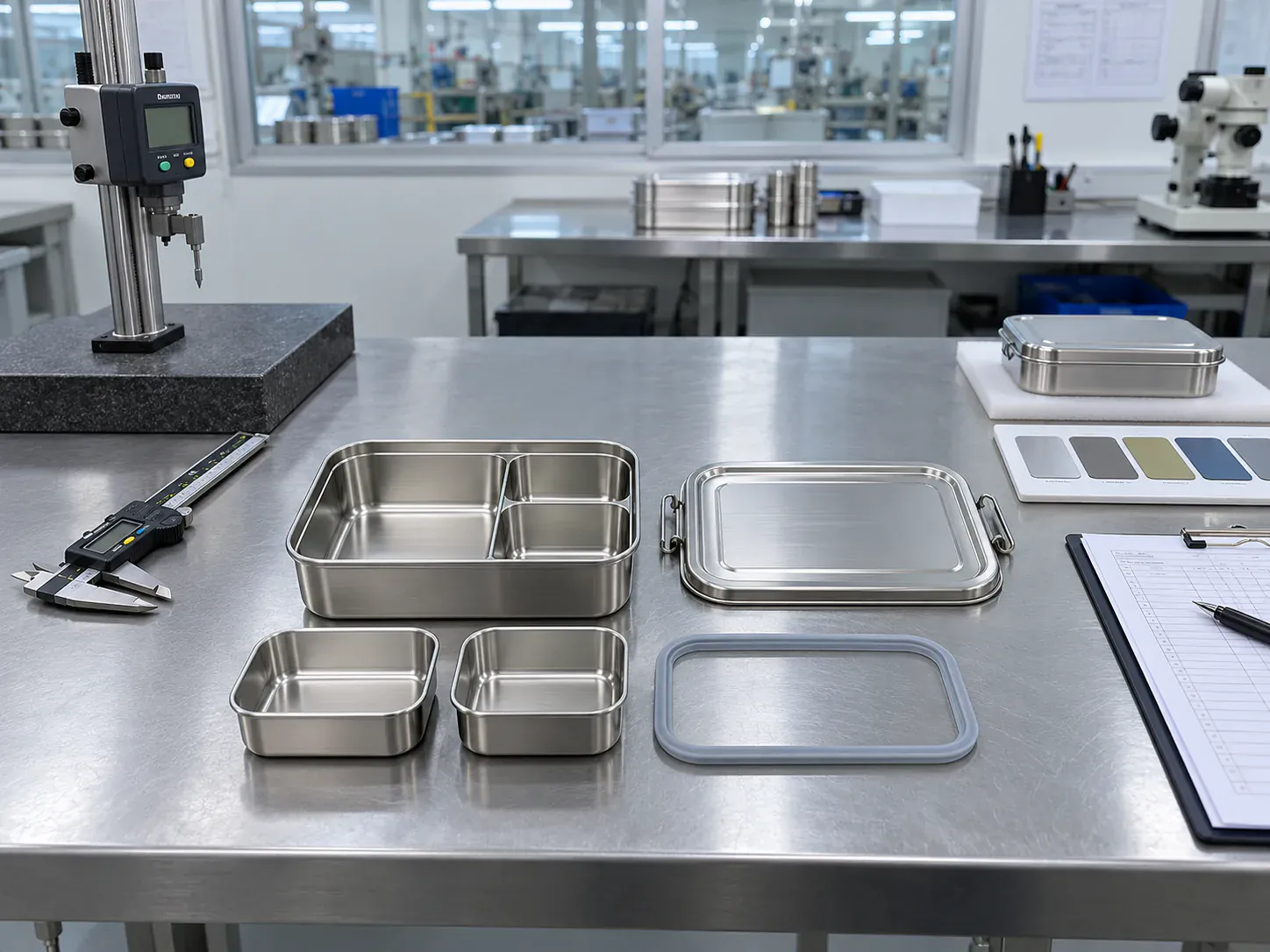
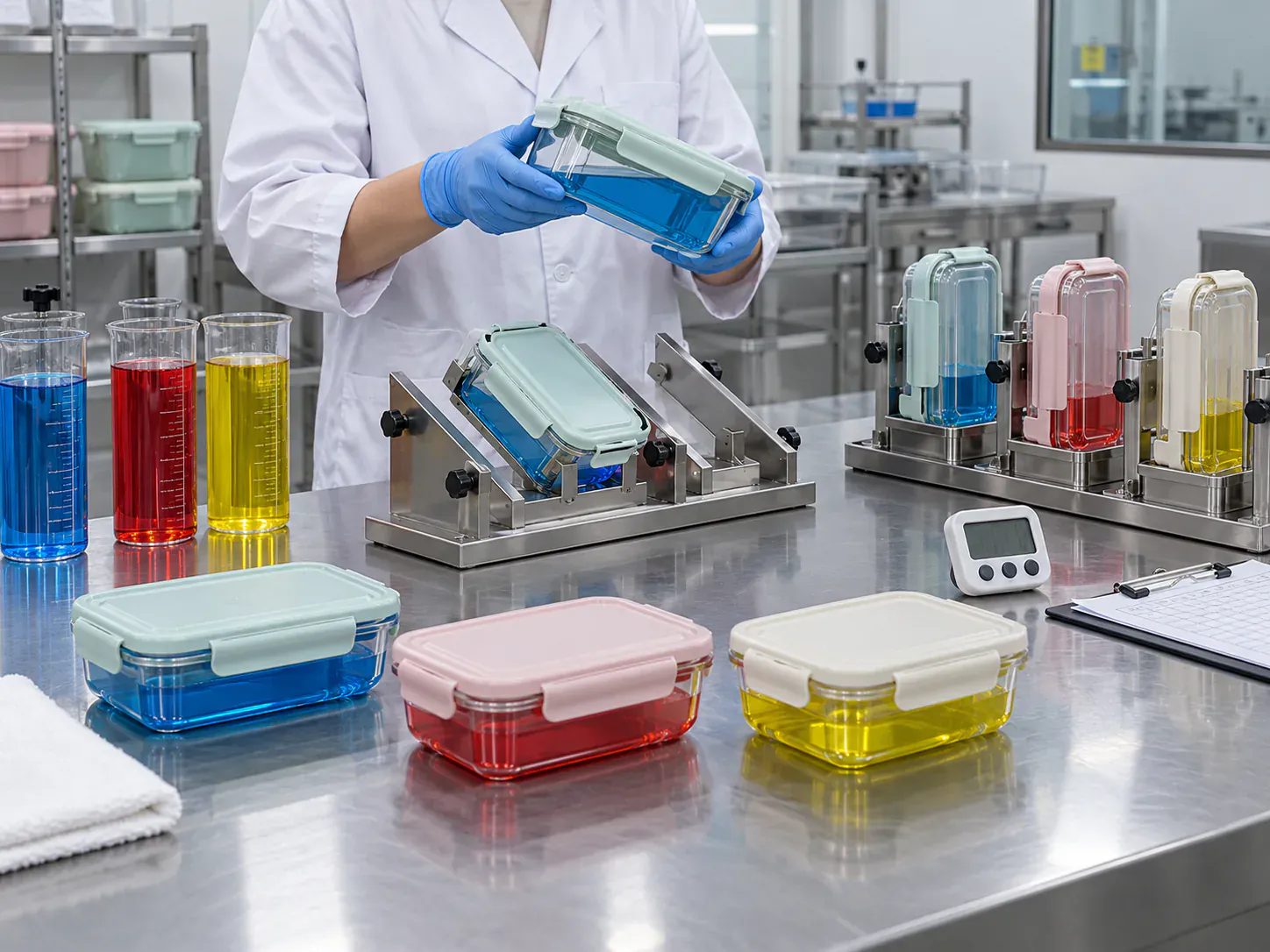
Replace leakproof and durable with fill, orientation, duration and pass criteria; within Convert Claims Into Test Conditions, review this commercial intent point against the selected product, intended market and current revision rather than as a generic catalog promise. For commercial intent in Convert Claims Into Test Conditions, record what is fixed, what remains open, the responsible owner and the evidence that will close decision 1. Complete the step before moving forward, because a later inspection cannot repair an unclear requirement during Convert Claims Into Test Conditions checkpoint 1. Naike carries the agreed Convert Claims Into Test Conditions checkpoint 1 into the component schedule, sample plan, quotation boundary and inspection record so purchasing, product and quality teams compare the same program.
Define starting temperature, environment, duration, bag and cold-pack conditions for thermal review; within Convert Claims Into Test Conditions, review this product boundary point against the selected product, intended market and current revision rather than as a generic catalog promise. For product boundary in Convert Claims Into Test Conditions, record what is fixed, what remains open, the responsible owner and the evidence that will close decision 2. Our factory team links the checkpoint to the approved sample, drawing, artwork or test condition governing the project during Convert Claims Into Test Conditions checkpoint 2. Naike carries the agreed Convert Claims Into Test Conditions checkpoint 2 into the component schedule, sample plan, quotation boundary and inspection record so purchasing, product and quality teams compare the same program.
Specify assembled weight, height, surface, orientations and damage limits for drop checks; within Convert Claims Into Test Conditions, review this approval evidence point against the selected product, intended market and current revision rather than as a generic catalog promise. For approval evidence in Convert Claims Into Test Conditions, record what is fixed, what remains open, the responsible owner and the evidence that will close decision 3. Buyers can then compare findings against a named acceptance rule rather than a general impression during Convert Claims Into Test Conditions checkpoint 3. Naike carries the agreed Convert Claims Into Test Conditions checkpoint 3 into the component schedule, sample plan, quotation boundary and inspection record so purchasing, product and quality teams compare the same program.
Name the cleaning method and areas that must remain accessible and stable; within Convert Claims Into Test Conditions, review this production release point against the selected product, intended market and current revision rather than as a generic catalog promise. For production release in Convert Claims Into Test Conditions, record what is fixed, what remains open, the responsible owner and the evidence that will close decision 4. The resulting record supports corrective action, shipment review and the next repeat order during Convert Claims Into Test Conditions checkpoint 4. Naike carries the agreed Convert Claims Into Test Conditions checkpoint 4 into the component schedule, sample plan, quotation boundary and inspection record so purchasing, product and quality teams compare the same program.
Compare Quality Control Stages
| Stage | Primary Purpose | Typical Evidence | Buyer Decision |
|---|---|---|---|
| Incoming | Confirm materials or critical bought-in parts | Lot identity, dimensions or material evidence | Accept, hold or investigate |
| In-process | Find repeatable errors while correction is possible | Measurements and first-off samples | Adjust process or continue |
| Final | Confirm shippable configuration and pack-out | Sampling report, photos and carton count | Release, rework or reinspect |
Set Measurable Appearance Criteria
What appearance limits support lunch box quality control?
Use approved color, finish and artwork references instead of subjective adjectives; within Set Measurable Appearance Criteria, review this commercial intent point against the selected product, intended market and current revision rather than as a generic catalog promise. For commercial intent in Set Measurable Appearance Criteria, record what is fixed, what remains open, the responsible owner and the evidence that will close decision 1. Complete the step before moving forward, because a later inspection cannot repair an unclear requirement during Set Measurable Appearance Criteria checkpoint 1. Naike carries the agreed Set Measurable Appearance Criteria checkpoint 1 into the component schedule, sample plan, quotation boundary and inspection record so purchasing, product and quality teams compare the same program.
Separate critical functional defects from cosmetic variation on hidden areas; within Set Measurable Appearance Criteria, review this product boundary point against the selected product, intended market and current revision rather than as a generic catalog promise. For product boundary in Set Measurable Appearance Criteria, record what is fixed, what remains open, the responsible owner and the evidence that will close decision 2. Our factory team links the checkpoint to the approved sample, drawing, artwork or test condition governing the project during Set Measurable Appearance Criteria checkpoint 2. Naike carries the agreed Set Measurable Appearance Criteria checkpoint 2 into the component schedule, sample plan, quotation boundary and inspection record so purchasing, product and quality teams compare the same program.
Specify decoration location, size, orientation and adhesion expectations; within Set Measurable Appearance Criteria, review this approval evidence point against the selected product, intended market and current revision rather than as a generic catalog promise. For approval evidence in Set Measurable Appearance Criteria, record what is fixed, what remains open, the responsible owner and the evidence that will close decision 3. Buyers can then compare findings against a named acceptance rule rather than a general impression during Set Measurable Appearance Criteria checkpoint 3. Naike carries the agreed Set Measurable Appearance Criteria checkpoint 3 into the component schedule, sample plan, quotation boundary and inspection record so purchasing, product and quality teams compare the same program.
Create shared examples for borderline appearance conditions where practical; within Set Measurable Appearance Criteria, review this production release point against the selected product, intended market and current revision rather than as a generic catalog promise. For production release in Set Measurable Appearance Criteria, record what is fixed, what remains open, the responsible owner and the evidence that will close decision 4. The resulting record supports corrective action, shipment review and the next repeat order during Set Measurable Appearance Criteria checkpoint 4. Naike carries the agreed Set Measurable Appearance Criteria checkpoint 4 into the component schedule, sample plan, quotation boundary and inspection record so purchasing, product and quality teams compare the same program.
Place Inspection At The Right Stages
When should a lunch box inspection plan check quality?
Use incoming checks for materials or parts difficult to verify after assembly; within Place Inspection At The Right Stages, review this commercial intent point against the selected product, intended market and current revision rather than as a generic catalog promise. For commercial intent in Place Inspection At The Right Stages, record what is fixed, what remains open, the responsible owner and the evidence that will close decision 1. Complete the step before moving forward, because a later inspection cannot repair an unclear requirement during Place Inspection At The Right Stages checkpoint 1. Naike carries the agreed Place Inspection At The Right Stages checkpoint 1 into the component schedule, sample plan, quotation boundary and inspection record so purchasing, product and quality teams compare the same program.
Use in-process review for dimensions, color, closure fit, assembly and decoration; within Place Inspection At The Right Stages, review this product boundary point against the selected product, intended market and current revision rather than as a generic catalog promise. For product boundary in Place Inspection At The Right Stages, record what is fixed, what remains open, the responsible owner and the evidence that will close decision 2. Our factory team links the checkpoint to the approved sample, drawing, artwork or test condition governing the project during Place Inspection At The Right Stages checkpoint 2. Naike carries the agreed Place Inspection At The Right Stages checkpoint 2 into the component schedule, sample plan, quotation boundary and inspection record so purchasing, product and quality teams compare the same program.
Use final inspection for set completeness, quantity, labeling, pack-out and carton marks; within Place Inspection At The Right Stages, review this approval evidence point against the selected product, intended market and current revision rather than as a generic catalog promise. For approval evidence in Place Inspection At The Right Stages, record what is fixed, what remains open, the responsible owner and the evidence that will close decision 3. Buyers can then compare findings against a named acceptance rule rather than a general impression during Place Inspection At The Right Stages checkpoint 3. Naike carries the agreed Place Inspection At The Right Stages checkpoint 3 into the component schedule, sample plan, quotation boundary and inspection record so purchasing, product and quality teams compare the same program.
Agree third-party timing, access, sampling and report format before booking; within Place Inspection At The Right Stages, review this production release point against the selected product, intended market and current revision rather than as a generic catalog promise. For production release in Place Inspection At The Right Stages, record what is fixed, what remains open, the responsible owner and the evidence that will close decision 4. The resulting record supports corrective action, shipment review and the next repeat order during Place Inspection At The Right Stages checkpoint 4. Naike carries the agreed Place Inspection At The Right Stages checkpoint 4 into the component schedule, sample plan, quotation boundary and inspection record so purchasing, product and quality teams compare the same program.
Agree Sampling And Acceptance Rules
How do buyers set acceptance in a lunch box quality control checklist?
Identify the sampling approach and lot definition before inspection; within Agree Sampling And Acceptance Rules, review this commercial intent point against the selected product, intended market and current revision rather than as a generic catalog promise. For commercial intent in Agree Sampling And Acceptance Rules, record what is fixed, what remains open, the responsible owner and the evidence that will close decision 1. Complete the step before moving forward, because a later inspection cannot repair an unclear requirement during Agree Sampling And Acceptance Rules checkpoint 1. Naike carries the agreed Agree Sampling And Acceptance Rules checkpoint 1 into the component schedule, sample plan, quotation boundary and inspection record so purchasing, product and quality teams compare the same program.
Classify defects around safety, function, appearance, labeling and packaging; within Agree Sampling And Acceptance Rules, review this product boundary point against the selected product, intended market and current revision rather than as a generic catalog promise. For product boundary in Agree Sampling And Acceptance Rules, record what is fixed, what remains open, the responsible owner and the evidence that will close decision 2. Our factory team links the checkpoint to the approved sample, drawing, artwork or test condition governing the project during Agree Sampling And Acceptance Rules checkpoint 2. Naike carries the agreed Agree Sampling And Acceptance Rules checkpoint 2 into the component schedule, sample plan, quotation boundary and inspection record so purchasing, product and quality teams compare the same program.
Define sorting, rework, replacement and reinspection paths before findings occur; within Agree Sampling And Acceptance Rules, review this approval evidence point against the selected product, intended market and current revision rather than as a generic catalog promise. For approval evidence in Agree Sampling And Acceptance Rules, record what is fixed, what remains open, the responsible owner and the evidence that will close decision 3. Buyers can then compare findings against a named acceptance rule rather than a general impression during Agree Sampling And Acceptance Rules checkpoint 3. Naike carries the agreed Agree Sampling And Acceptance Rules checkpoint 3 into the component schedule, sample plan, quotation boundary and inspection record so purchasing, product and quality teams compare the same program.
Connect inspection records to the purchase order, model and production lot; within Agree Sampling And Acceptance Rules, review this production release point against the selected product, intended market and current revision rather than as a generic catalog promise. For production release in Agree Sampling And Acceptance Rules, record what is fixed, what remains open, the responsible owner and the evidence that will close decision 4. The resulting record supports corrective action, shipment review and the next repeat order during Agree Sampling And Acceptance Rules checkpoint 4. Naike carries the agreed Agree Sampling And Acceptance Rules checkpoint 4 into the component schedule, sample plan, quotation boundary and inspection record so purchasing, product and quality teams compare the same program.
B2B Buyer Checklist
lunch box quality control checklist Buyer Checklist
| Check | Question | Why It Matters |
|---|---|---|
| Identity | Does every record name the model, revision and lot? | Traceability makes evidence useful for the actual order. |
| Reference | Which sample, drawing and artwork govern each feature? | Inspectors need one approved baseline. |
| Condition | Are performance claims written as testable conditions? | Results need a method and acceptance criteria. |
| Sampling | Are lot definition and limits agreed before inspection? | Pre-agreed rules reduce subjective release decisions. |
| Pack-out | Does final inspection cover the complete sold set? | Accessories and labels are part of the buyer experience. |
| Closure | Who approves corrective action and shipment release? | Named authority prevents unresolved findings moving forward. |
Control Packaging And Label Accuracy
Why does pack-out belong in lunch box quality control?
Inspect the complete sold set rather than the main container alone; within Control Packaging And Label Accuracy, review this commercial intent point against the selected product, intended market and current revision rather than as a generic catalog promise. For commercial intent in Control Packaging And Label Accuracy, record what is fixed, what remains open, the responsible owner and the evidence that will close decision 1. Complete the step before moving forward, because a later inspection cannot repair an unclear requirement during Control Packaging And Label Accuracy checkpoint 1. Naike carries the agreed Control Packaging And Label Accuracy checkpoint 1 into the component schedule, sample plan, quotation boundary and inspection record so purchasing, product and quality teams compare the same program.
Verify artwork version, language, barcode and buyer-supplied marks; within Control Packaging And Label Accuracy, review this product boundary point against the selected product, intended market and current revision rather than as a generic catalog promise. For product boundary in Control Packaging And Label Accuracy, record what is fixed, what remains open, the responsible owner and the evidence that will close decision 2. Our factory team links the checkpoint to the approved sample, drawing, artwork or test condition governing the project during Control Packaging And Label Accuracy checkpoint 2. Naike carries the agreed Control Packaging And Label Accuracy checkpoint 2 into the component schedule, sample plan, quotation boundary and inspection record so purchasing, product and quality teams compare the same program.
Check protection, restraint and carton arrangement under the approved pack-out; within Control Packaging And Label Accuracy, review this approval evidence point against the selected product, intended market and current revision rather than as a generic catalog promise. For approval evidence in Control Packaging And Label Accuracy, record what is fixed, what remains open, the responsible owner and the evidence that will close decision 3. Buyers can then compare findings against a named acceptance rule rather than a general impression during Control Packaging And Label Accuracy checkpoint 3. Naike carries the agreed Control Packaging And Label Accuracy checkpoint 3 into the component schedule, sample plan, quotation boundary and inspection record so purchasing, product and quality teams compare the same program.
Record units, ratios, carton marks, dimensions and weights after physical approval; within Control Packaging And Label Accuracy, review this production release point against the selected product, intended market and current revision rather than as a generic catalog promise. For production release in Control Packaging And Label Accuracy, record what is fixed, what remains open, the responsible owner and the evidence that will close decision 4. The resulting record supports corrective action, shipment review and the next repeat order during Control Packaging And Label Accuracy checkpoint 4. Naike carries the agreed Control Packaging And Label Accuracy checkpoint 4 into the component schedule, sample plan, quotation boundary and inspection record so purchasing, product and quality teams compare the same program.
Close Corrective Actions Before Release
What completes a buyer-ready lunch box inspection plan?
Describe every finding with location, quantity, image and acceptance reference; within Close Corrective Actions Before Release, review this commercial intent point against the selected product, intended market and current revision rather than as a generic catalog promise. For commercial intent in Close Corrective Actions Before Release, record what is fixed, what remains open, the responsible owner and the evidence that will close decision 1. Complete the step before moving forward, because a later inspection cannot repair an unclear requirement during Close Corrective Actions Before Release checkpoint 1. Naike carries the agreed Close Corrective Actions Before Release checkpoint 1 into the component schedule, sample plan, quotation boundary and inspection record so purchasing, product and quality teams compare the same program.
Separate containment of the current lot from process root-cause correction; within Close Corrective Actions Before Release, review this product boundary point against the selected product, intended market and current revision rather than as a generic catalog promise. For product boundary in Close Corrective Actions Before Release, record what is fixed, what remains open, the responsible owner and the evidence that will close decision 2. Our factory team links the checkpoint to the approved sample, drawing, artwork or test condition governing the project during Close Corrective Actions Before Release checkpoint 2. Naike carries the agreed Close Corrective Actions Before Release checkpoint 2 into the component schedule, sample plan, quotation boundary and inspection record so purchasing, product and quality teams compare the same program.
Require objective evidence for corrections through samples, measurements or reinspection; within Close Corrective Actions Before Release, review this approval evidence point against the selected product, intended market and current revision rather than as a generic catalog promise. For approval evidence in Close Corrective Actions Before Release, record what is fixed, what remains open, the responsible owner and the evidence that will close decision 3. Buyers can then compare findings against a named acceptance rule rather than a general impression during Close Corrective Actions Before Release checkpoint 3. Naike carries the agreed Close Corrective Actions Before Release checkpoint 3 into the component schedule, sample plan, quotation boundary and inspection record so purchasing, product and quality teams compare the same program.
Authorize shipment release through the agreed buyer and factory roles; within Close Corrective Actions Before Release, review this production release point against the selected product, intended market and current revision rather than as a generic catalog promise. For production release in Close Corrective Actions Before Release, record what is fixed, what remains open, the responsible owner and the evidence that will close decision 4. The resulting record supports corrective action, shipment review and the next repeat order during Close Corrective Actions Before Release checkpoint 4. Naike carries the agreed Close Corrective Actions Before Release checkpoint 4 into the component schedule, sample plan, quotation boundary and inspection record so purchasing, product and quality teams compare the same program.

B2B Buyer FAQ
lunch box quality control checklist Questions Buyers Ask
Can one checklist cover every lunch box?
No. A core template can organize work, but checkpoints and limits follow the selected configuration, material, claims, destination and buyer risk.
Is an approved sample enough?
It is essential for appearance and assembly, but dimensions, artwork, components, test conditions and packaging require controlled records.
When should third-party inspection be arranged?
Arrange it when the order and pack-out are complete enough for sampling while leaving time for corrective action. Confirm method and release authority in advance.
How should leak resistance be checked?
Define contents, fill, closure, orientation, duration and acceptable result. One condition should not be generalized to every liquid or transport situation.
What happens after a failed inspection?
Follow the agreed path for containment, sorting, rework, corrective action and reinspection. Shipment needs authorized release.
Which records support repeat orders?
Keep approved sample references, specifications, artwork, inspection reports, approved changes and corrective actions.
Conclusion And Next Step
lunch box quality control checklist: Turn The Guide Into An RFQ
A lunch box quality control checklist protects a B2B order when it links product identity, approved references, test conditions, sampling and release responsibility. Share your selected configuration and destination requirements with Naike to discuss a project-specific lunch box inspection plan before production.
Explore Naike