This convertible modular bento system is a development concept for B2B discussion. Component availability, dimensions, material grades, performance, MOQ, lead time and evidence must be confirmed by project.
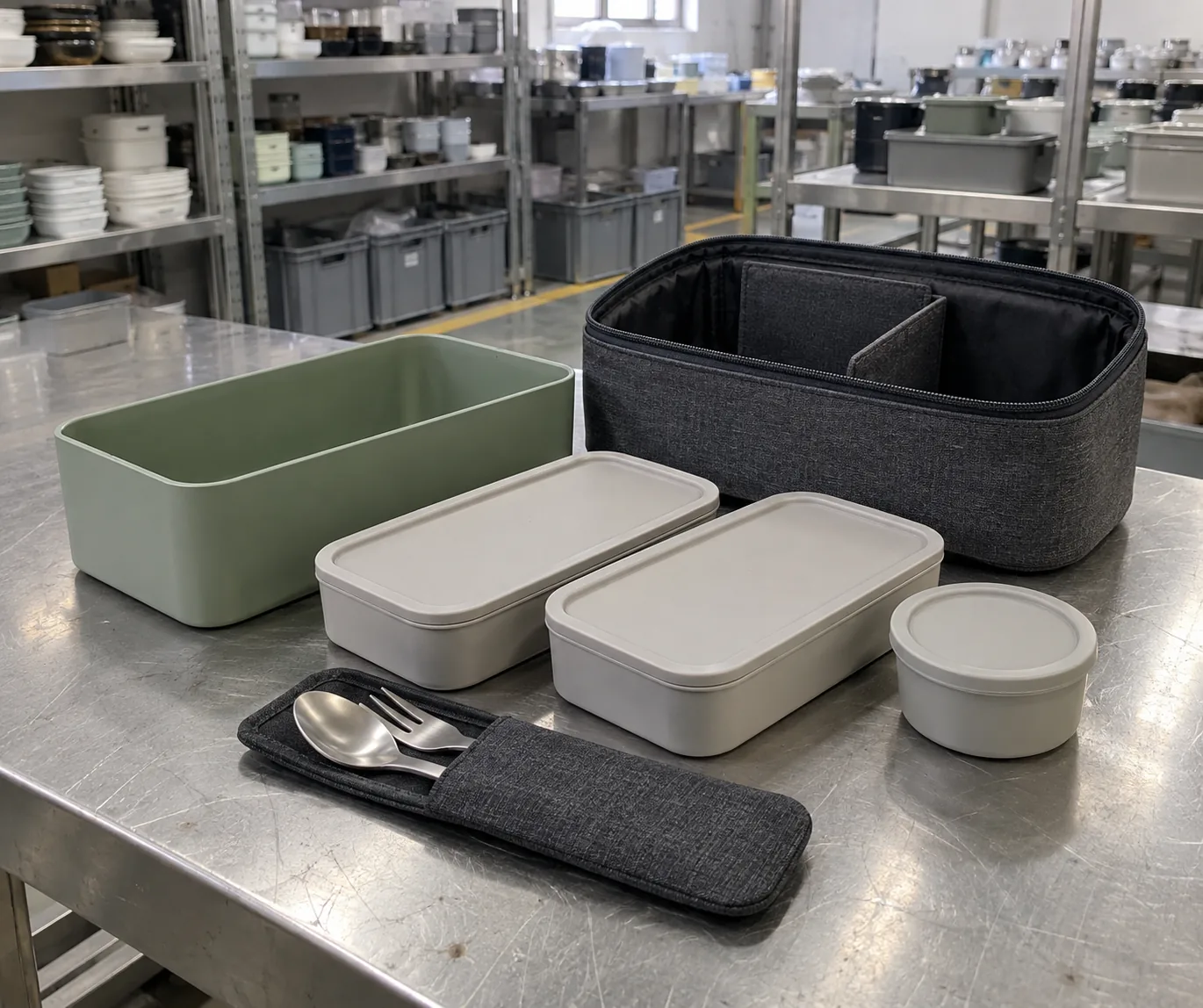
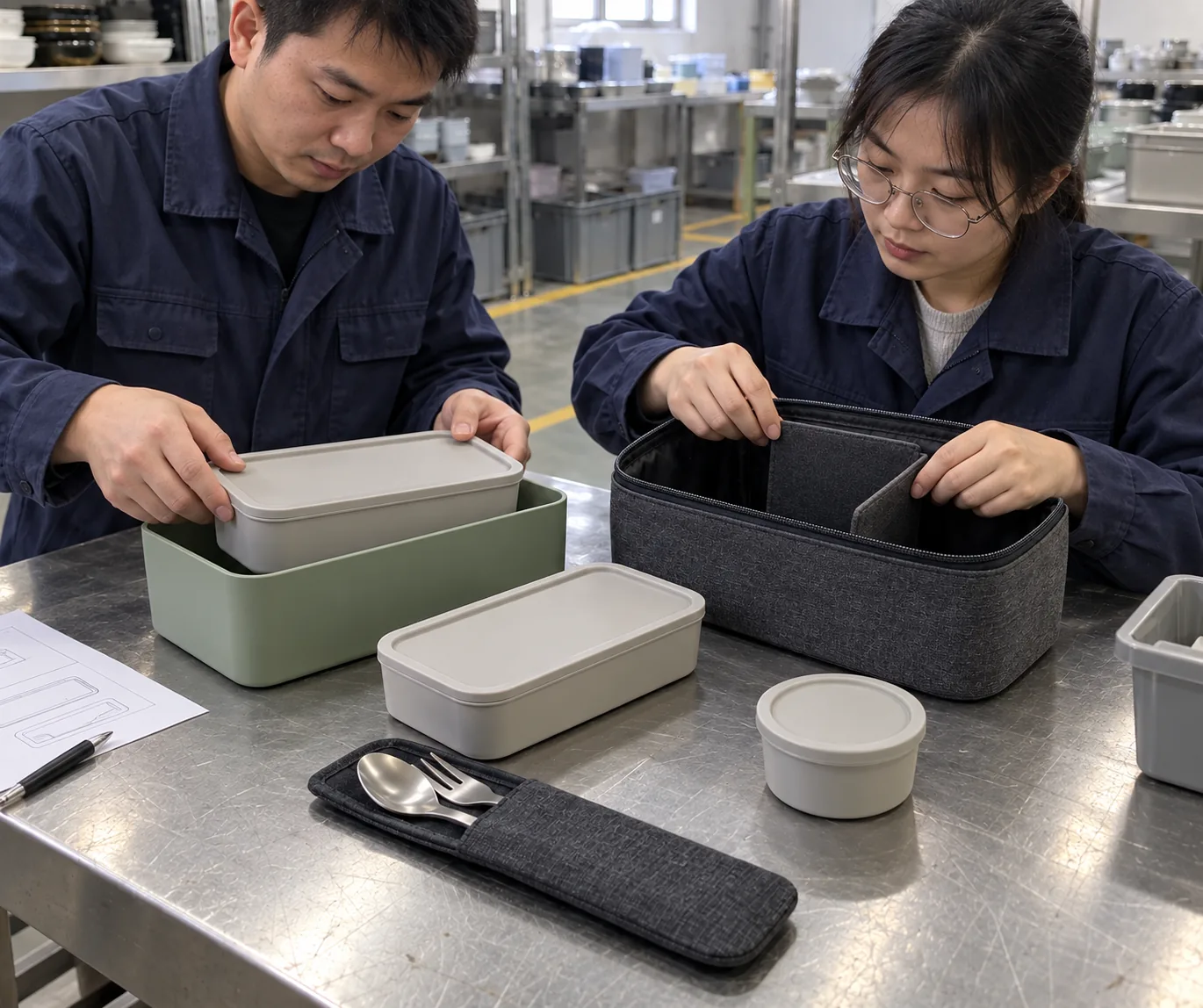
The proposed Single-Person Convertible Modular Bento System With Divider Case combines a sage-green PP outer box, two removable warm-gray food trays with individual lids, a sauce cup, stainless fork and spoon in a textile sleeve, and a charcoal carry case with a removable divider. Buyers can compare an ODM-led existing-platform route with OEM-led changes to trays, interfaces, case and packaging.
Set Contents
Designed For and Use Scenarios
This system is designed for brands, importers and business procurement teams evaluating a flexible single-person meal set. Review it in a Chinese factory sample room or buyer office as a complete product: tray selection, outer-box fit, accessory restraint, case closure, branding and unit packaging.
Single-person private-label lunch programs and modular product development.
Buyer sample review, component selection, packout trials and OEM/ODM route comparison.
One outer box, two trays and lids, one sauce cup, fork, spoon, sleeve, divider and carry case.
Interface control, replaceable modules, packed access and revision ownership.
Set Configuration and Structural Difference
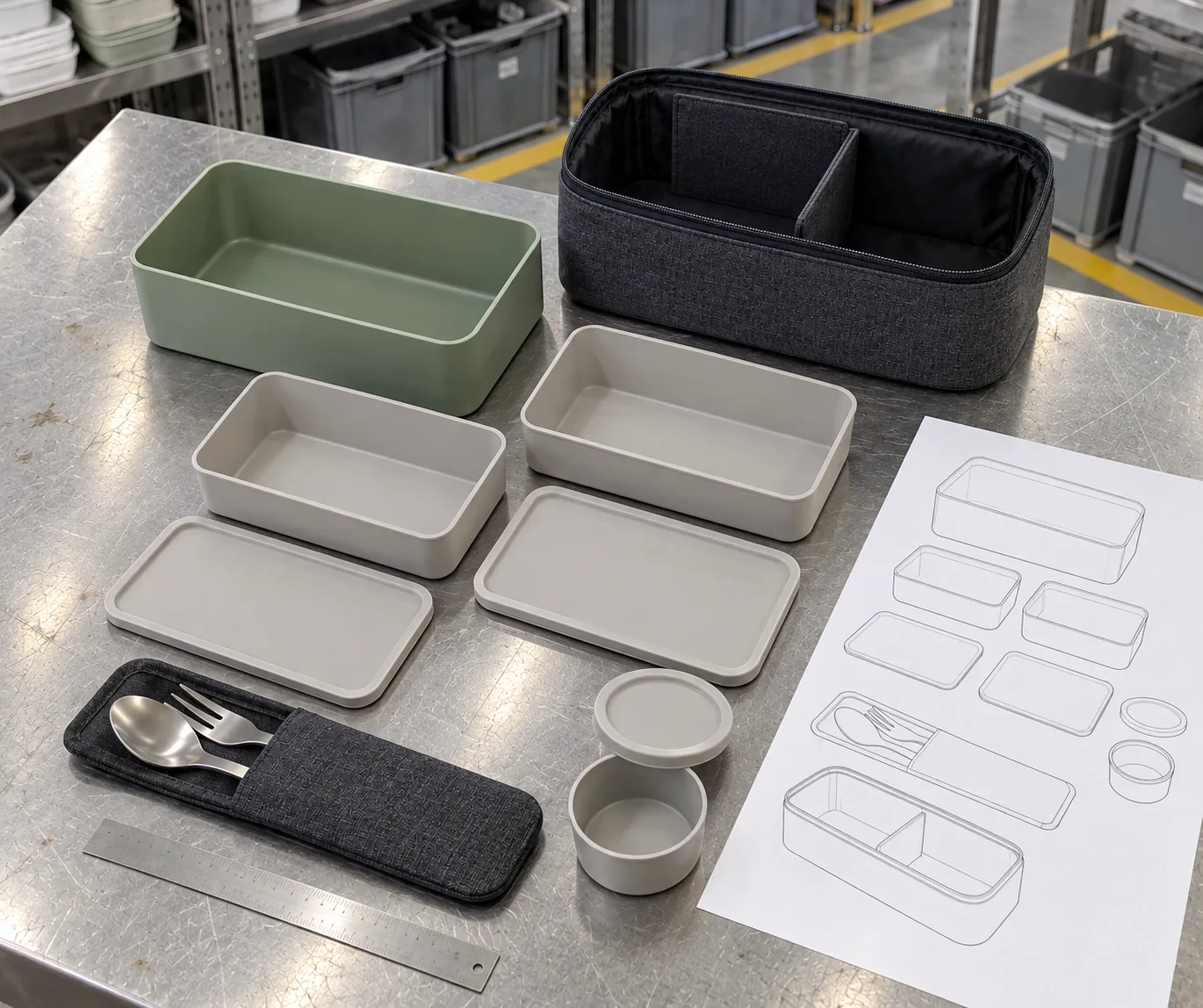
The sage outer box acts as the shared carrier for two separate warm-gray trays. Each tray has its own lid, so a buyer can remove one meal module without opening the other. The sauce cup and utensil sleeve remain separate. This differs from a single divided container and from two unrelated stacked boxes.
The outer box and trays shown are conceptual. Their wall thickness, rim geometry and lid engagement are not approved. A supplier should mark which elements are existing platforms, adapted parts or new tooling. Replacement trays must match the controlled outer-box revision.
Before Packing → Packed → Carrying
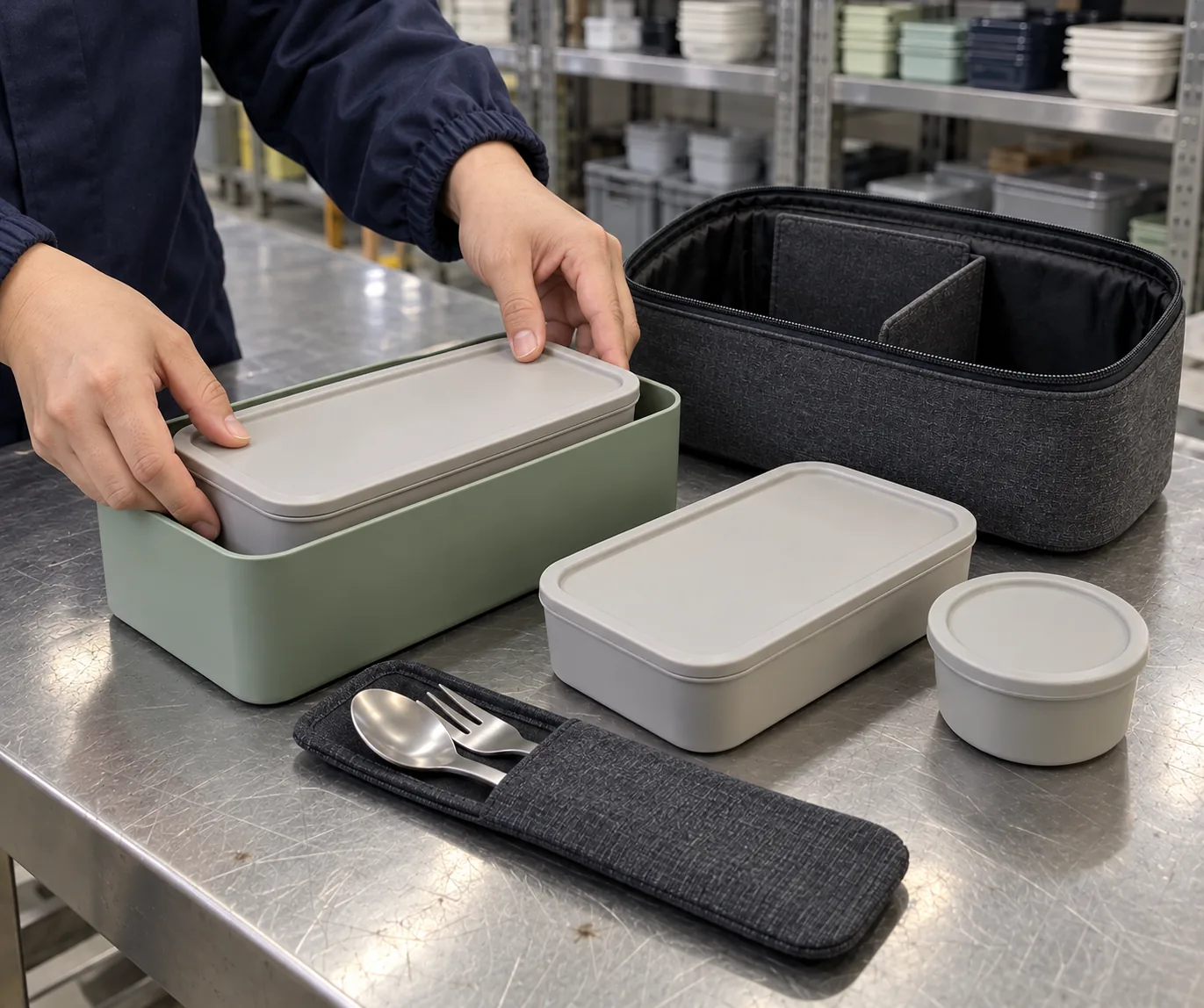
Before packing, count the outer box, two trays and lids, sauce cup, utensils, sleeve, divider and case. Seat both closed trays inside the outer box without forcing the rims. Place accessories in the divider zone, then load the outer box into the case.
In the packed state, check that the divider prevents movement and the zipper closes without pressure. In the carrying state, inspect handle load, case shape and access after opening. These are proposed review points, not test results. A physical complete sample must confirm the final arrangement.
Packed Size, Weight, Volume and Nesting
Packed size
Measure length, width and height on the approved closed case with every component installed.
Weight and volume
Record net set weight and packed volume after materials, walls, divider and packaging are finalized.
Stackability and nesting
Check tray release, rim contact, lid clearance, empty nesting and packed stability separately.
Carry Bag Internal Layout
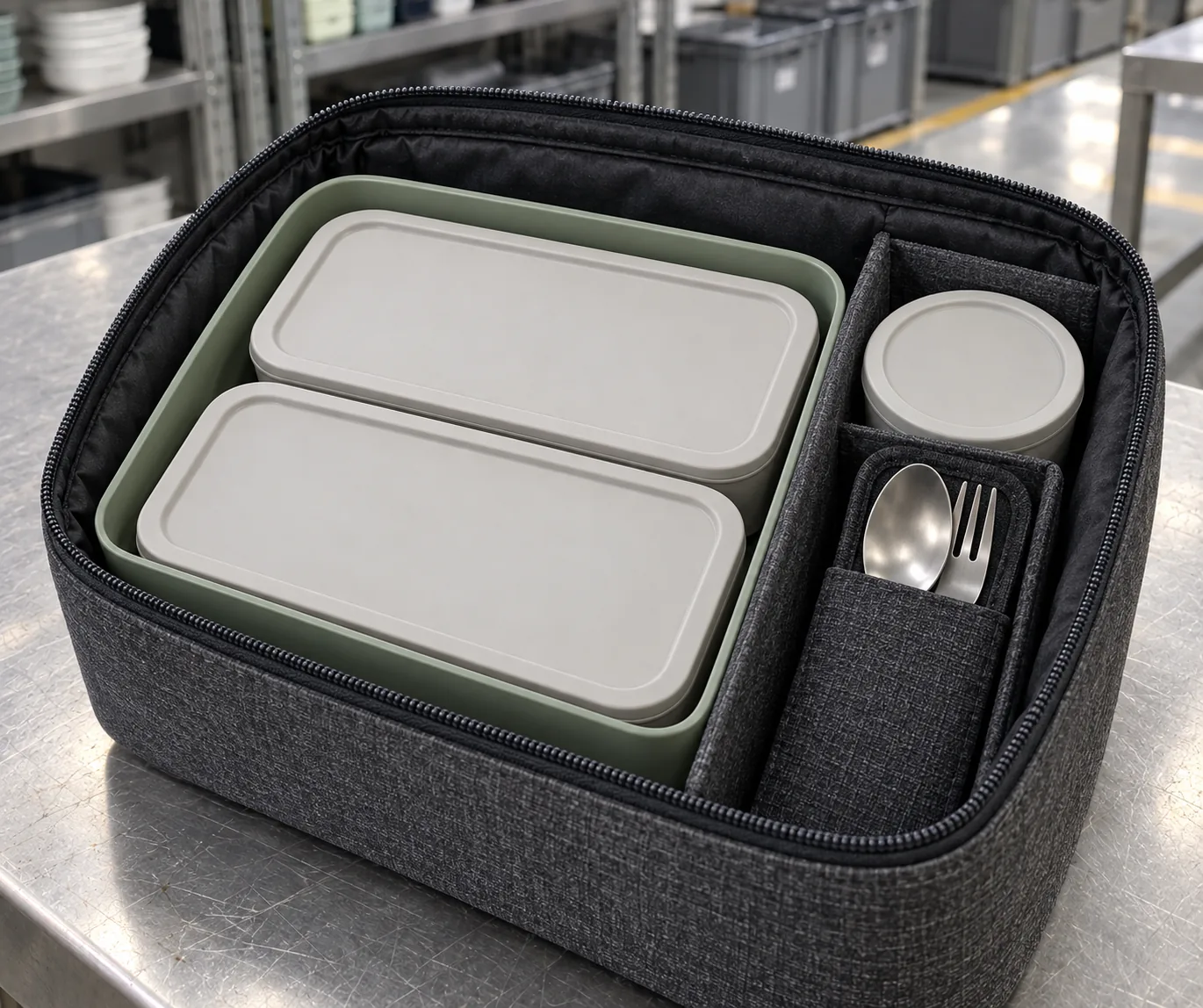
The charcoal RPET-textile case uses a zipper opening and removable divider to separate the outer box, sauce cup and utensil sleeve. Fabric, lining, foam, zipper, thread, handle reinforcement and wash-care route remain development choices. The divider position must follow measured component dimensions.
If a tray or sauce cup changes, repeat the closure and movement checks. The case pattern is part of the bill of materials, not an unrelated accessory. Assign part numbers to the divider, sleeve and case revision.
Materials and Replaceable Components
PP is the proposed route for the outer box, trays and lids; stainless steel for the fork and spoon; textile for the sleeve and case. Exact grades, pigments, finishes, coatings, adhesives and reinforcements are not established. Appearance cannot prove grade or food-contact suitability.
A buyer may replace one tray with a deeper module, change the sauce cup or simplify the utensil set. Each change needs a fit and packed-envelope review. Any microwave, dishwasher, freezer, leak-resistance or food-contact statement requires validation for the final SKU, intended conditions and destination.
Logo, Pantone, Packaging and Tooling
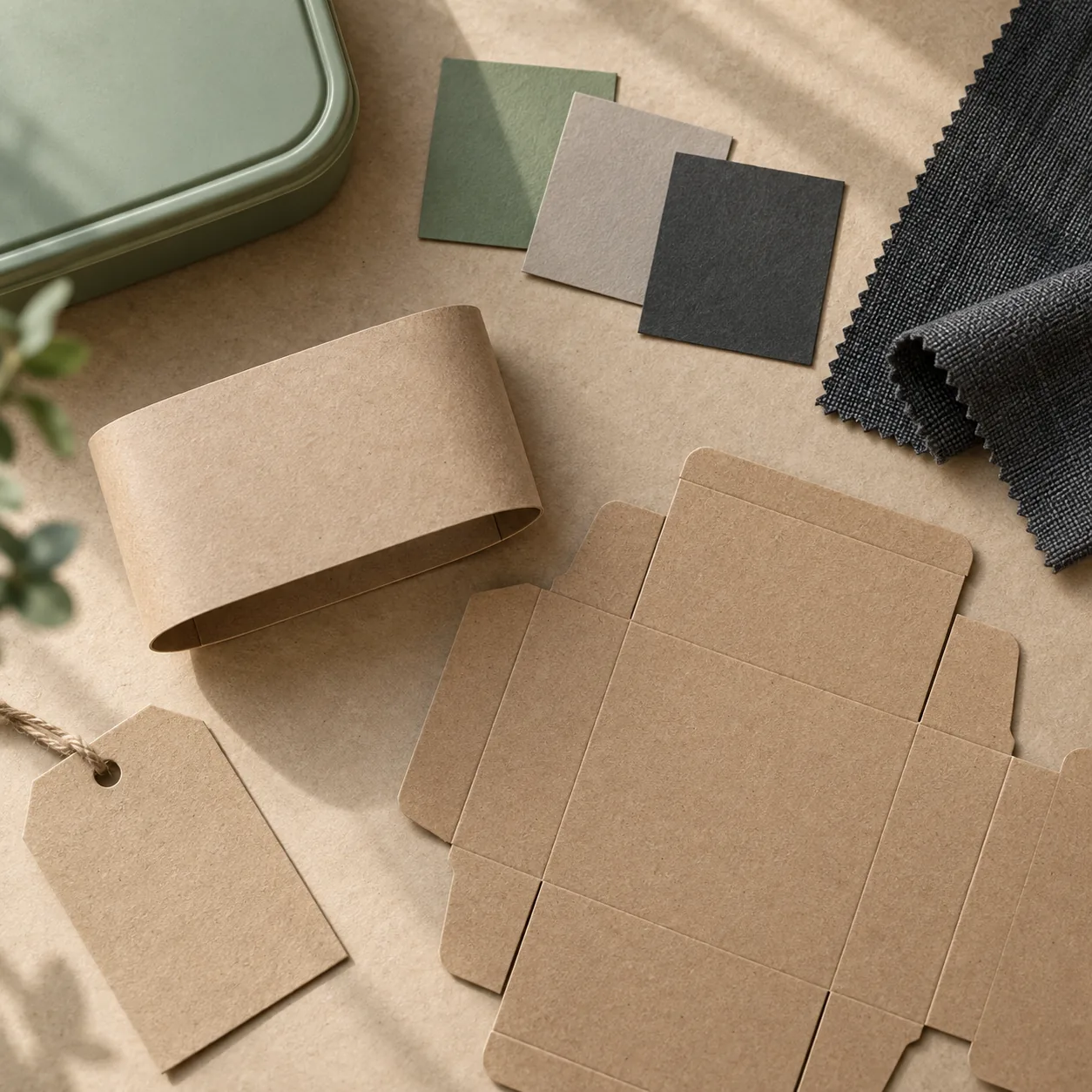
Potential decoration locations include a tray lid, outer box, utensil, textile label and retail package. Printing, engraving, molded marking and sewing require different trials. Approve Pantone targets on physical PP, fabric and paper samples rather than screen images.
A plain kraft sleeve and carton are one packaging route. Artwork, barcode, warnings, language and protective inserts need destination-specific review. If an existing tray platform cannot meet the brief, request a separate new-tool proposal covering drawings, trial stages, ownership and change control. For supplier design and tooling rights, review WIPO’s supplier IP agreement guidance and obtain appropriate contract advice.
MOQ, Sampling, Lead Time and SKU-Level Evidence
MOQ is quoted after the chosen component platform, color split, logo, case, packaging and assembly route are defined. Sampling may progress from existing parts to packout mockup, functional sample, color and decoration approval, then a signed complete set. Lead time follows the approved route; this concept page makes no universal promise.
Inspection criteria should cover dimensions, surfaces, tray-to-outer-box fit, lid fit, sauce-cup closure, utensil edges, sleeve seams, divider retention, zipper, handle, count, color, logo and carton contents. Read the related OEM vs ODM portable dining guide for route and ownership questions.
Frequently Asked Questions
Is this exact modular bento set in stock?
This page presents a configurable development concept, not a stock claim. Naike must confirm available component platforms, colors, case construction, MOQ, sample route and timing against the buyer’s brief.
Can the two trays have different capacities?
That is a possible development direction. Different tray depths affect outer-box fit, stacked height, divider layout and case closure, so the proposed combination needs an interface and packout review before quotation.
Can buyers customize the case and packaging?
Potential options include fabric color, label or marking, divider arrangement, retail sleeve and carton artwork. Exact materials, decoration processes and protective construction require sample approval and may have separate minimums.
What evidence should accompany a quotation?
Ask for the component route, material declarations, available SKU-relevant records, sample stages, inspection proposal, packaging assumptions and clearly stated exclusions. Market-specific testing is scoped after the final configuration and intended use are known.
Build a Similar Modular Bento System
Send the target user, tray capacities, packed-size limit, materials, color split, artwork, packaging, market, quantity and schedule. Request an existing-platform option and a custom-tool option with assumptions separated.
Open the Modular Set Inquiry