
Dining Components
Portable dining components wholesale for coordinated sets and replacement programs. Source bowls, plates, cups, cutlery and containers by function, packed fit, material and destination-market requirements instead of treating each item as an isolated accessory.
Dining Component References
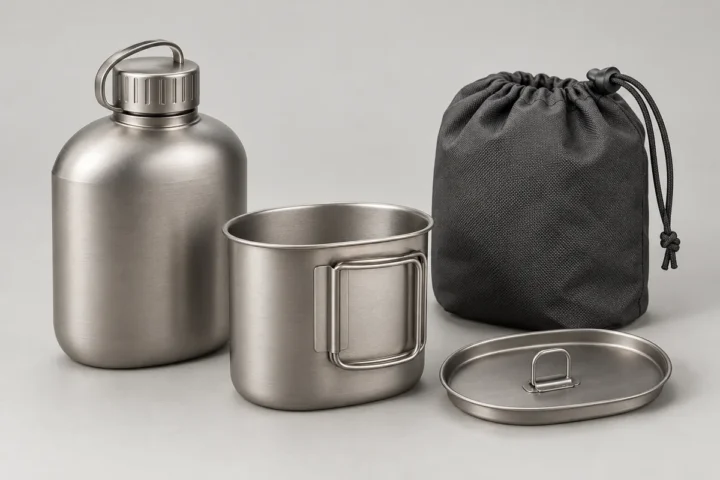
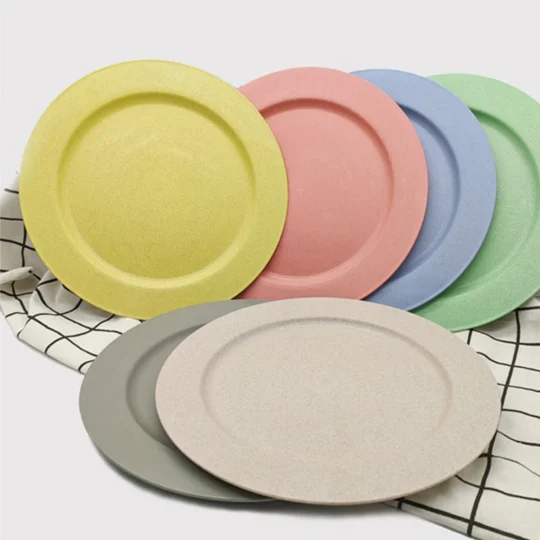
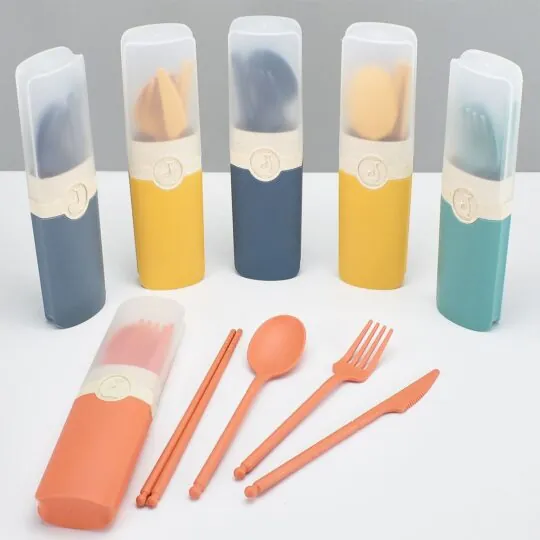
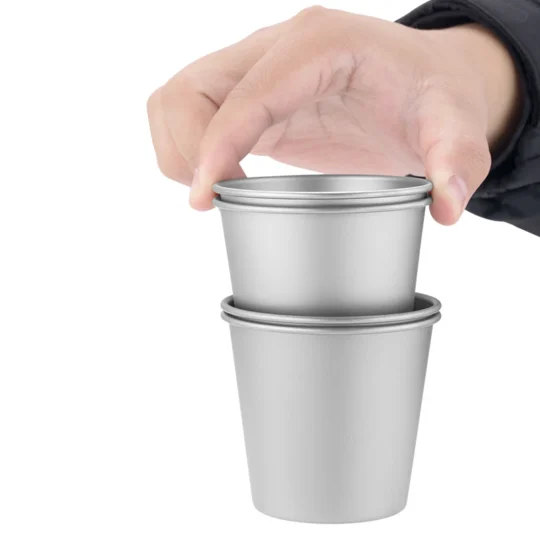
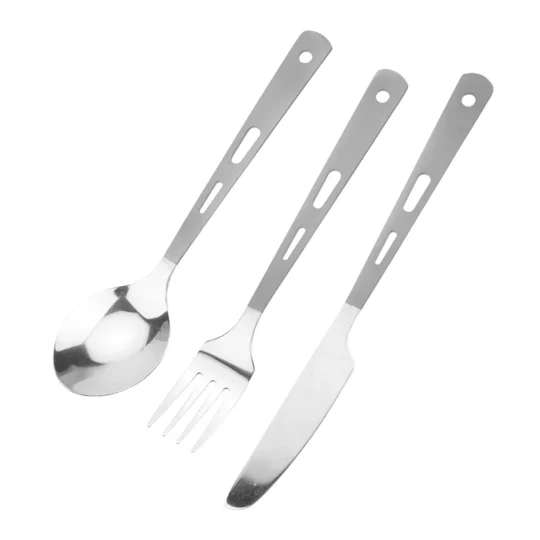
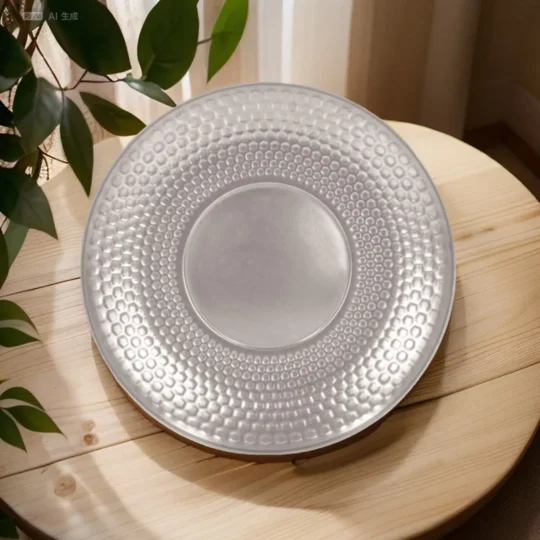
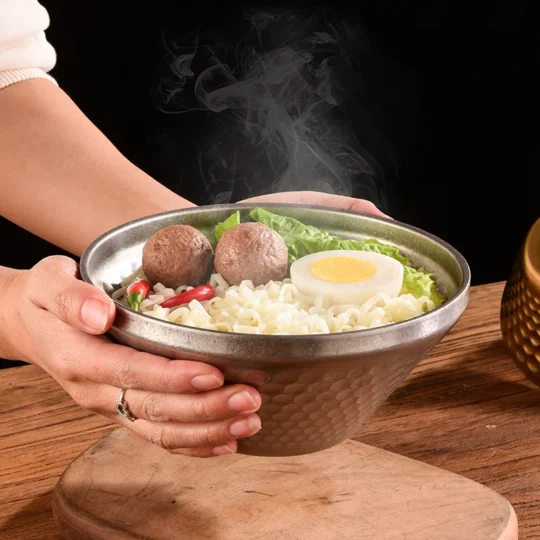
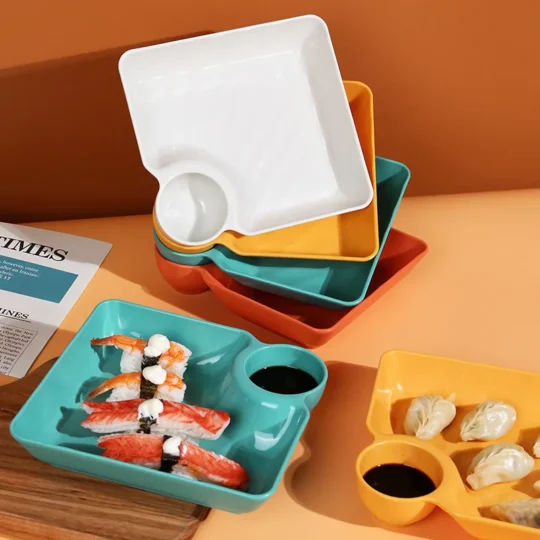
How should dining components be selected for a set?
Define the required place setting first, then add only the pieces that improve use or packing. For every component, confirm dimensions, material, food-contact surface, finish, cleaning method, nesting behavior and retention inside the case. Compatibility with the complete set is more important than catalogue variety.
Match each component to a clear job
This comparison helps buyers separate essential place-setting pieces from optional storage or serving components.
| Format | Best suited to | Confirm before sampling |
|---|---|---|
| Plates and bowls | Primary eating surfaces and nesting structure. | Diameter, depth, rim profile, stack height and surface protection. |
| Cups and drinkware | Individual drinking and compact storage. | Capacity, handle profile, lid option, nesting and contact with other pieces. |
| Cutlery | Reusable eating tools retained as a counted set. | Packed length, edge finish, grip, pouch or holder and cleaning method. |
| Containers | Food storage, portioning or shared serving. | Closure, divider layout, seal requirement, usable volume and lid care. |
Material choice changes weight, feel and care instructions
PP, wheat-straw composite, stainless steel, bio-composite and titanium serve different constructions and positioning. Compare the selected grade and finished product rather than relying on a material label alone. Start with the material comparison center and the PP versus stainless-steel guide, then confirm the applicable testing plan.
When should a component be customized?
Use an existing component when its geometry, material and packed fit meet the program. Consider a modified or new part when size, interface, nesting or brand-specific form cannot be achieved from the available range. Tooling decisions should follow the complete set layout, not a component image alone.
- Function in the place setting
- Finished dimensions and stack height
- Material grade and finish
- Contact with adjacent pieces
- Cleaning and care direction
- Retention in pouch, tray or case
Common buyer questions
Can components be sourced without a complete set?
Yes. Individual components can support replacement, gift, retail or assembly programs, subject to the selected item, packaging and order terms.
Do all custom colors require new tooling?
No. Color and logo changes may use an existing product. New tooling is associated with structural or dimensional changes that existing components cannot provide.
How are mixed-material components evaluated?
Review every food-contact surface, connection and care instruction in the final configuration. The required evidence follows the actual SKU and destination market.