
Retail Programs
Portable dining product selection, private label, packaging and coordinated SKU development for retail programs.
Planning a retail lunch range? Read our retail lunch-set sourcing guide to align the product brief, packaging and sample review.
Recommended Product Directions
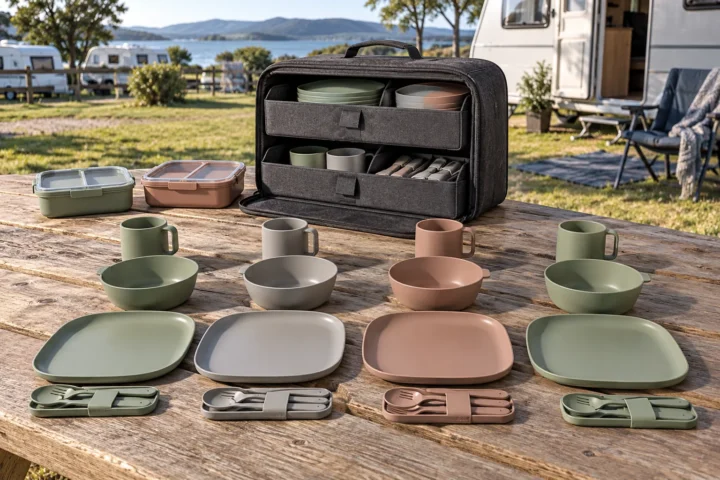
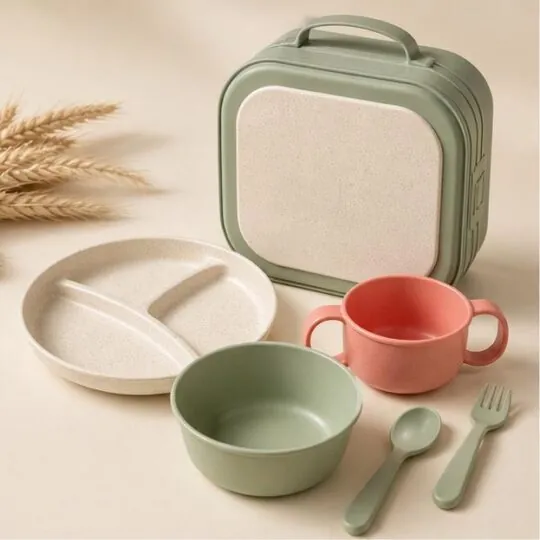
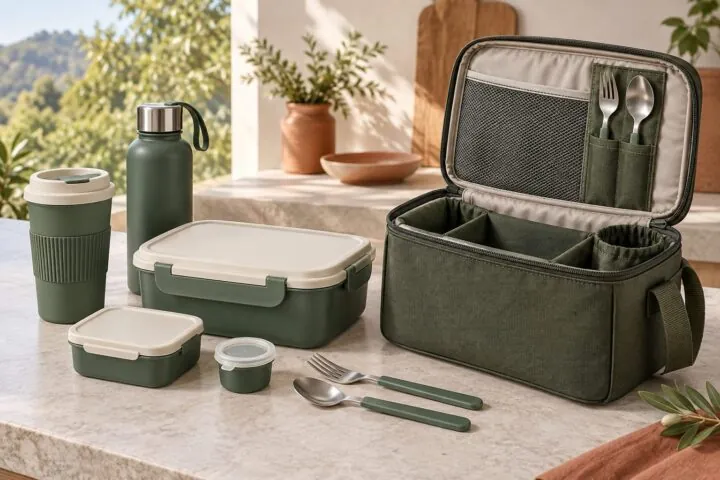
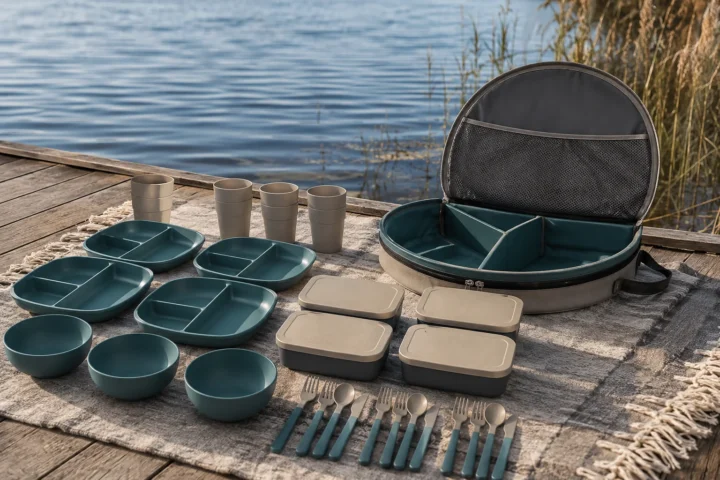
Program Requirements to Confirm
Define the shopper, retail format, price direction, assortment role and destination market.
Select the product category, component count, colors, logo method and carry format.
Confirm packaging, barcode space, instructions, test scope, samples, quantity and delivery plan.
What makes a portable tableware set retail-ready?
A retail-ready set is not only a product in a box. The SKU needs a controlled component list, repeatable color and logo standards, shelf-appropriate packaging, barcode and label space, test evidence for the sales market, replenishment planning and an export carton that protects the presentation pack.
Built for retailers, importers and private-label programs
This route suits buyers planning a branded assortment, seasonal launch, chain-store program, distributor range or e-commerce bundle. It is especially useful when several colors or set sizes must share a visual identity while keeping each SKU easy to inspect, replenish and ship.
Control the details that affect sell-through and replenishment
Assortment architecture
Define good, better and best configurations through component count, material, carry format or packaging instead of creating nearly identical SKUs. Shared parts can simplify purchasing while still producing a clear price ladder.
Private-label presentation
Pantone color, logo method, inserts, sleeves, color boxes, display packaging and carton marks should be approved as one system. Artwork dimensions must follow the final dieline, not an early concept rendering.
Launch and reorder constraints
Color-specific MOQs, mixed-carton rules, test timing, approval rounds and shipping cutoffs should be mapped backward from the shelf date. A repeat order also needs stable references to the approved sample and BOM.
From range brief to approved retail SKU
Naike Tableware reviews the planned assortment, identifies reusable molds and components, and flags designs that require modification or new tooling. After configuration and artwork review, the buyer approves a physical sample, packaging proof and inspection standard. Production, assembly and carton planning then follow the approved SKU record.
Send a commercial brief that can be costed
Provide expected volume by SKU and color, target market, sales channel, retail price position, component list, preferred material, logo files, barcode or label needs, packaging reference, carton limits and launch date. Forecasts are useful when the first order and replenishment order may use different quantities.
B2B buyer checklist
| Check | Question | Why It Matters |
|---|---|---|
| SKU logic | How will each set differ in a way the customer can understand? | Clear assortment roles reduce duplicate inventory and confusing packaging. |
| Artwork control | Are logo files, dielines, labels and barcode positions final? | Late artwork changes can delay samples and packaging production. |
| Approval sample | Which physical sample becomes the production reference? | It aligns color, fit, finish, logo and packout during inspection. |
| Replenishment | Which parts and colors must remain repeatable? | Retail programs need reorder consistency beyond the first shipment. |
Retail program FAQ
Can several products share one packaging style?
Yes, after each SKU has a confirmed dieline, required labels and enough protection for its dimensions and weight.
Can colors be mixed under one order?
Potentially, but color-level MOQ and carton rules must be checked against the chosen product and material.
When should testing begin?
Plan testing after the material and finished SKU are stable, while leaving enough time before the retail delivery window.
Last reviewed: September 23, 2026 Reviewed by: Naike Tableware manufacturing team