
School and Campus
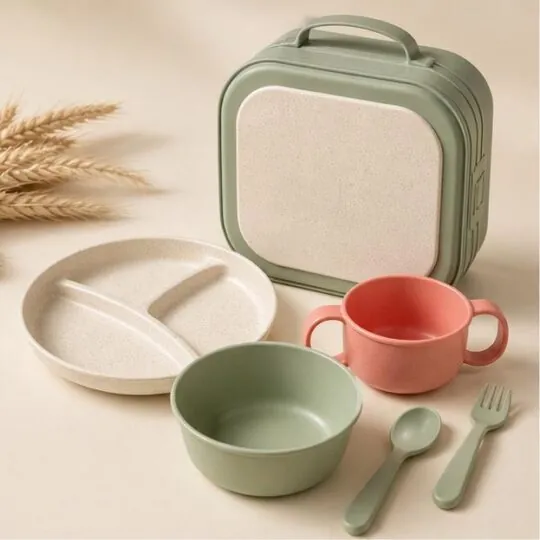
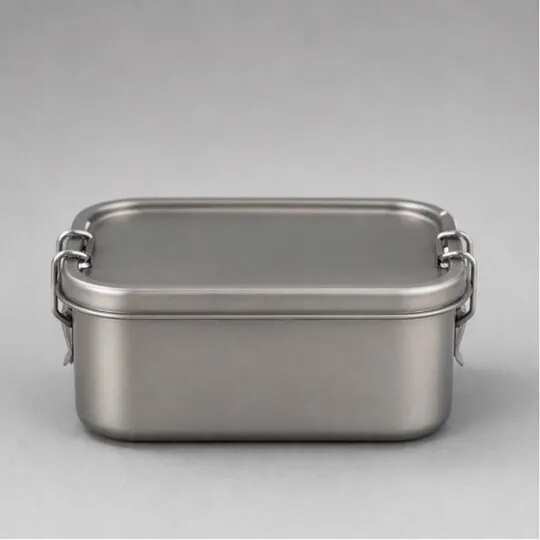
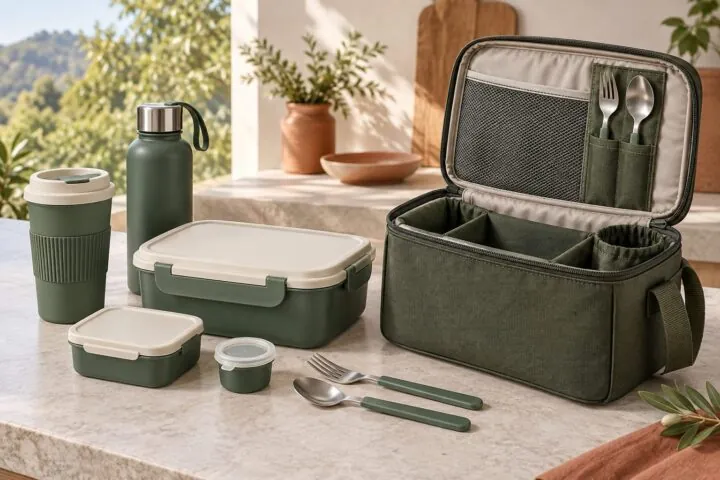
Portable lunch boxes and coordinated dining products for children, students and campus programs.
Recommended Product Directions
Program Requirements to Confirm
Define the user age, portion sizes, opening method and supervision requirements.
Review weight, leak control, bag fit, labeling, cleaning and storage between meals.
Confirm decoration, packaging, test scope, quantity and destination-market requirements.
How should a school meal kit be sourced?
A school meal kit should be sourced by age group, portioning, daily cleaning, name-label needs, carry weight and destination-market requirements. The complete SKU should be checked for edges, closures, loose parts, material evidence, logo durability and a packing method that students and operators can use consistently.
For school retail, campus and institutional programs
This solution supports retailers, education suppliers, distributors, branded campus programs and organizations issuing reusable meal kits. Requirements differ between a consumer lunch box and a program-managed kit, particularly around identification, replacement parts, cleaning frequency and packout.
Prioritize safe handling and repeatable daily use
Product combination
Common formats combine a portioned container, cutlery, cup or small accessory with a bag. Component count should stay appropriate for the user age and the expected meal routine.
Material and identification
Materials and finished-product testing are confirmed for the chosen SKU and market. Molded color, printed logo, name area, label or packaging artwork must also withstand the intended cleaning and handling cycle.
Program constraints
Age grading, closures, small detachable parts, cleaning, loss rates, color allocation and delivery to multiple locations can affect the final specification. These constraints should enter the brief before sampling.
From age-group brief to approved school SKU
Naike Tableware reviews the intended age, portion requirements, opening method, edges, component retention and carry layout. The sample is evaluated as a complete daily-use kit and then aligned with the required material and finished-SKU test scope. Packaging and carton marks are planned for the actual distribution method.
What education buyers should send
Provide age group, meal format, required components, cleaning process, labeling or identification needs, school or retail channel, market, quantity, color split, logo, packaging and delivery locations. If procurement rules specify reports or restricted materials, include those requirements at the start.
B2B buyer checklist
| Check | Question | Why It Matters |
|---|---|---|
| Age group | Who will open, carry and clean the product? | Age affects dimensions, closures, loose parts and communication. |
| Daily routine | How often is the kit used and washed? | High-frequency use changes durability and marking expectations. |
| Identification | How will each student or program identify its set? | Labels and logo methods must suit the surface and cleaning route. |
| Test scope | Which market and procurement standard applies? | Evidence must match the actual material and finished SKU. |
School and campus sourcing FAQ
Can school logos be added?
Yes. The method depends on material, artwork, durability expectation, order quantity and approved placement.
Can different colors identify groups?
Yes, subject to color-level MOQ and the production plan for the selected SKU.
Are reports automatically valid for every variation?
No. Report relevance must be checked against the material, color, component set, finished SKU and destination market.
Last reviewed: September 23, 2026 Reviewed by: Naike Tableware manufacturing team