
OEM and ODM differ mainly in who defines the product
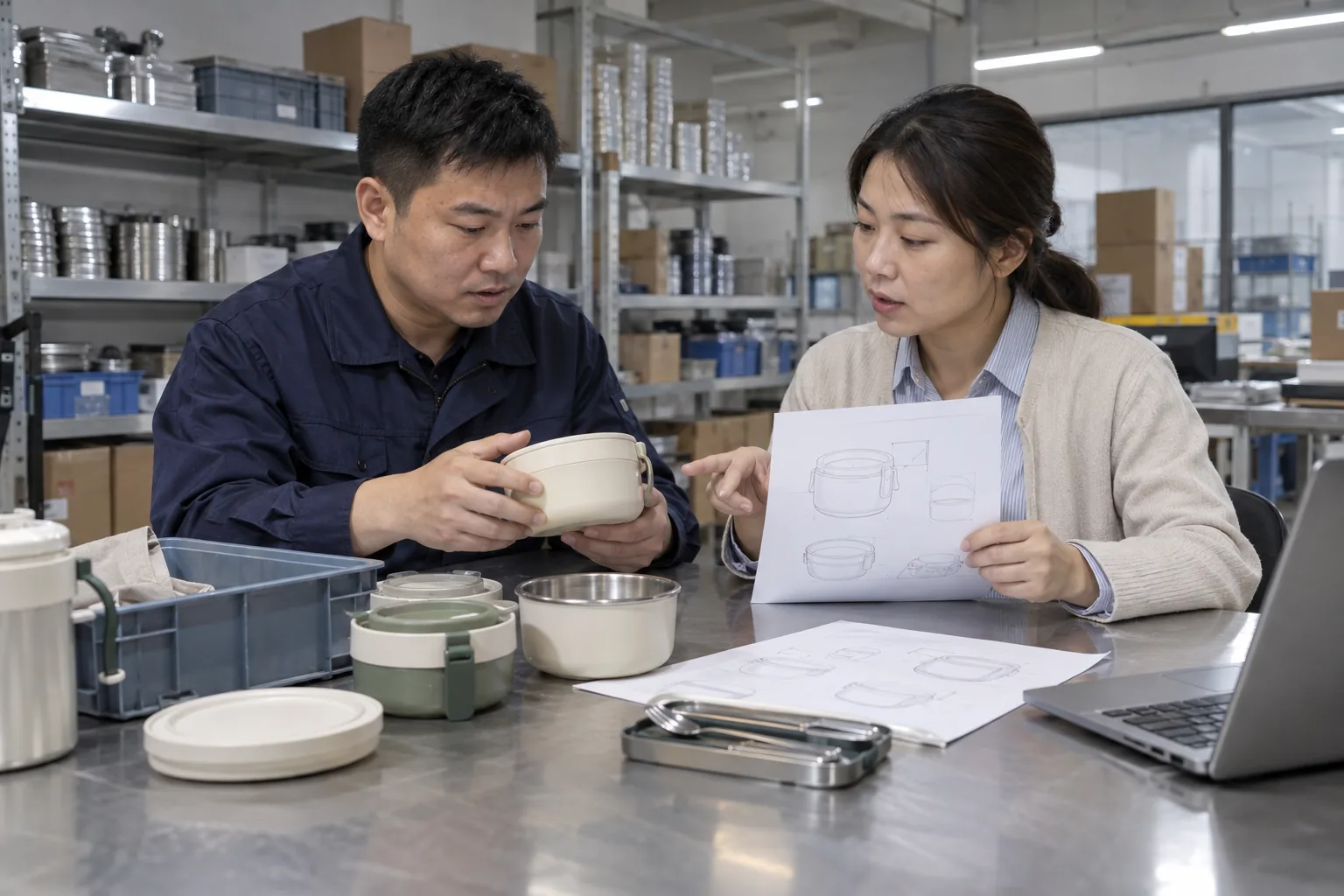
OEM vs ODM tableware is not a choice between “factory” and “not a factory.” In an OEM route, the buyer normally controls more of the specification, drawings, branding and approval criteria, while the supplier manufactures to that controlled brief. In an ODM route, the supplier starts from an existing design platform or development concept and adapts it for the buyer. The right route depends on required differentiation, design ownership, tooling, evidence, schedule and the buyer’s ability to manage revisions.
Portable dining sets combine more than a container. A project may include lids, seals, utensils, a cup, a textile case, inserts and retail packaging. Some parts can come from existing component platforms while others need new engineering. For that reason, a real project may use an OEM approach for one component and an ODM approach for another.
This guide uses the terms as practical sourcing labels, not universal legal definitions. Contract wording, design rights and supplier responsibilities vary by project and jurisdiction. Naike’s public pages describe configurable portable dining development, tooling and multi-material coordination; they do not prove that every proposed design, mold or component is available for a particular order. Confirm the route in the quotation and approved sample.
What Do OEM and ODM Mean for Portable Dining Sets?
In an OEM-led project, the buyer supplies or controls the product requirement. That may include two-dimensional drawings, three-dimensional files, dimensions, materials, tolerances, brand artwork, packaging and test criteria. The supplier reviews manufacturability, proposes process details and produces samples against controlled revisions.
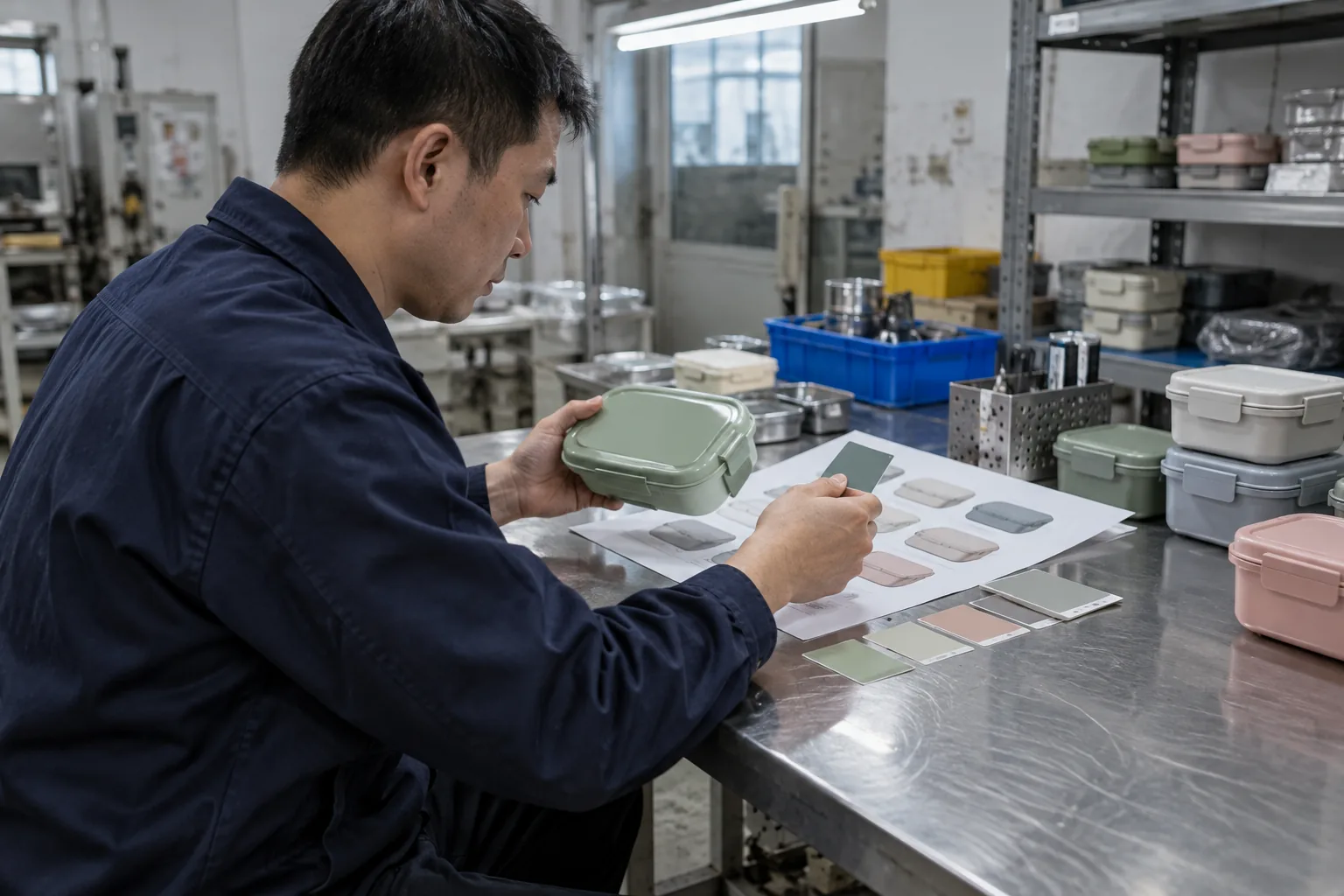
In an ODM-led project, the supplier proposes an existing or supplier-developed product architecture. The buyer selects among available shapes, materials, colors, accessories, decoration and packaging, then approves a customized version. ODM does not mean that every option is ready-made or free of tooling. A case pattern, divider, lid feature or package can still require development.
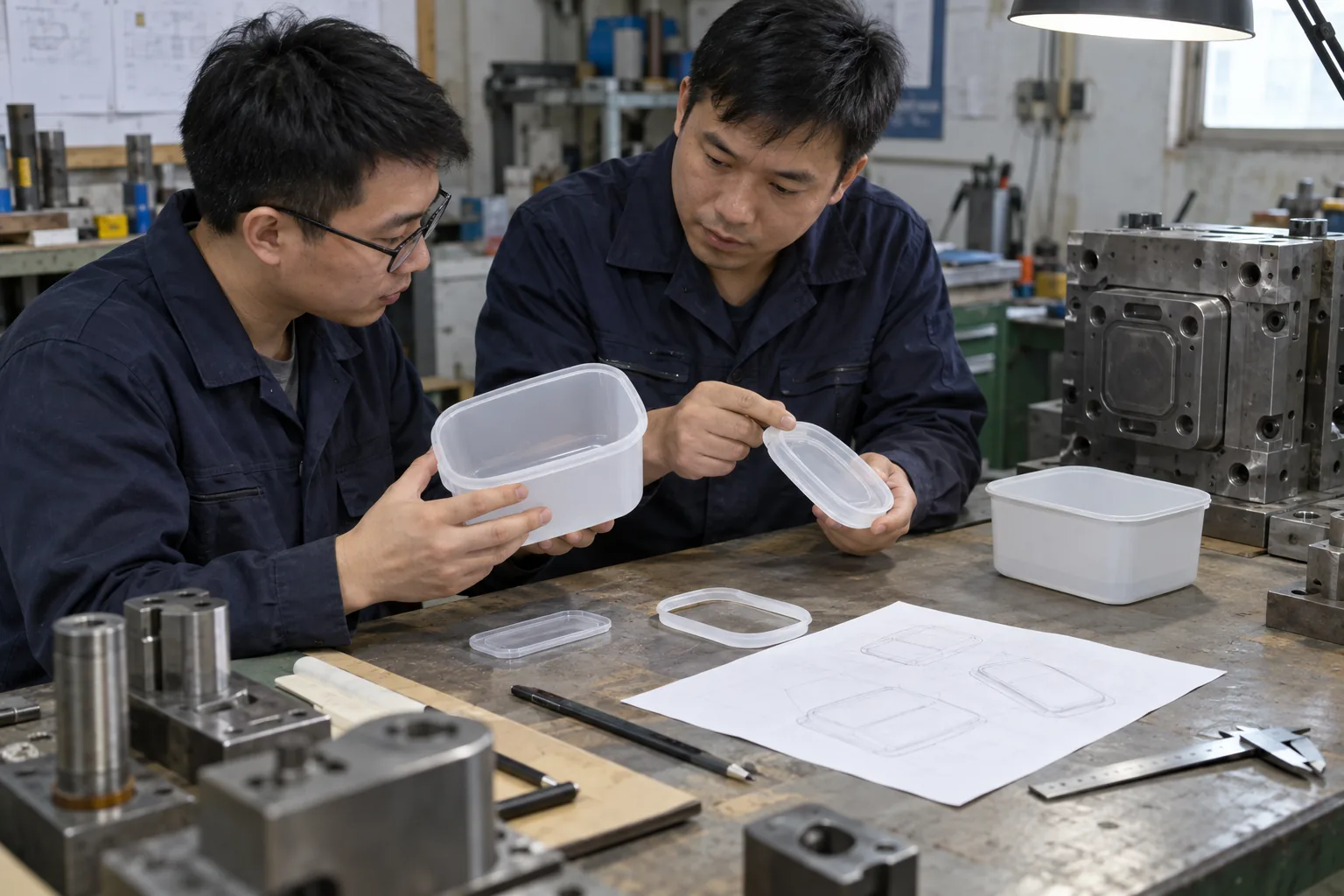
The label alone is not enough. Ask which drawings already exist, who created them, which components use existing tools, what may be changed, and which party approves the final specification. If these answers are unclear, “OEM” or “ODM” may be only a marketing term.
OEM vs ODM Tableware Comparison
OEM-led route
Starting point: buyer-controlled specification or design.
Best fit: distinct geometry, controlled interfaces or established brand standards.
Buyer work: detailed files, decisions and revision approval.
Main risk: incomplete files create late changes.
ODM-led route
Starting point: supplier platform or concept.
Best fit: faster evaluation using existing component families.
Buyer work: select, validate and approve adaptations.
Main risk: assuming exclusivity or ownership that was never agreed.
Compare both routes against the same complete sales unit. An ODM container with a new carry case and custom retail carton is not simply an “existing product.” An OEM body that uses a supplier’s standard lid also is not completely new. Break the project into components, identify the route for each part and assign one owner for the finished bill of materials.
Cost comparisons should separate engineering, tooling, samples, decoration, testing, packaging and production units. Schedule comparisons should identify drawing review, tool trials, fit approval, color approval and packout approval. A short lead-time statement without those assumptions is not a reliable route comparison.
Who Owns the Design, Files and Tooling?
Agree ownership before detailed work begins. Record who owns buyer-supplied drawings and artwork, supplier background know-how, new project drawings, tooling, patterns and improvements. State whether the supplier may reuse a design, whether the buyer may transfer a tool, and what happens when the relationship ends.
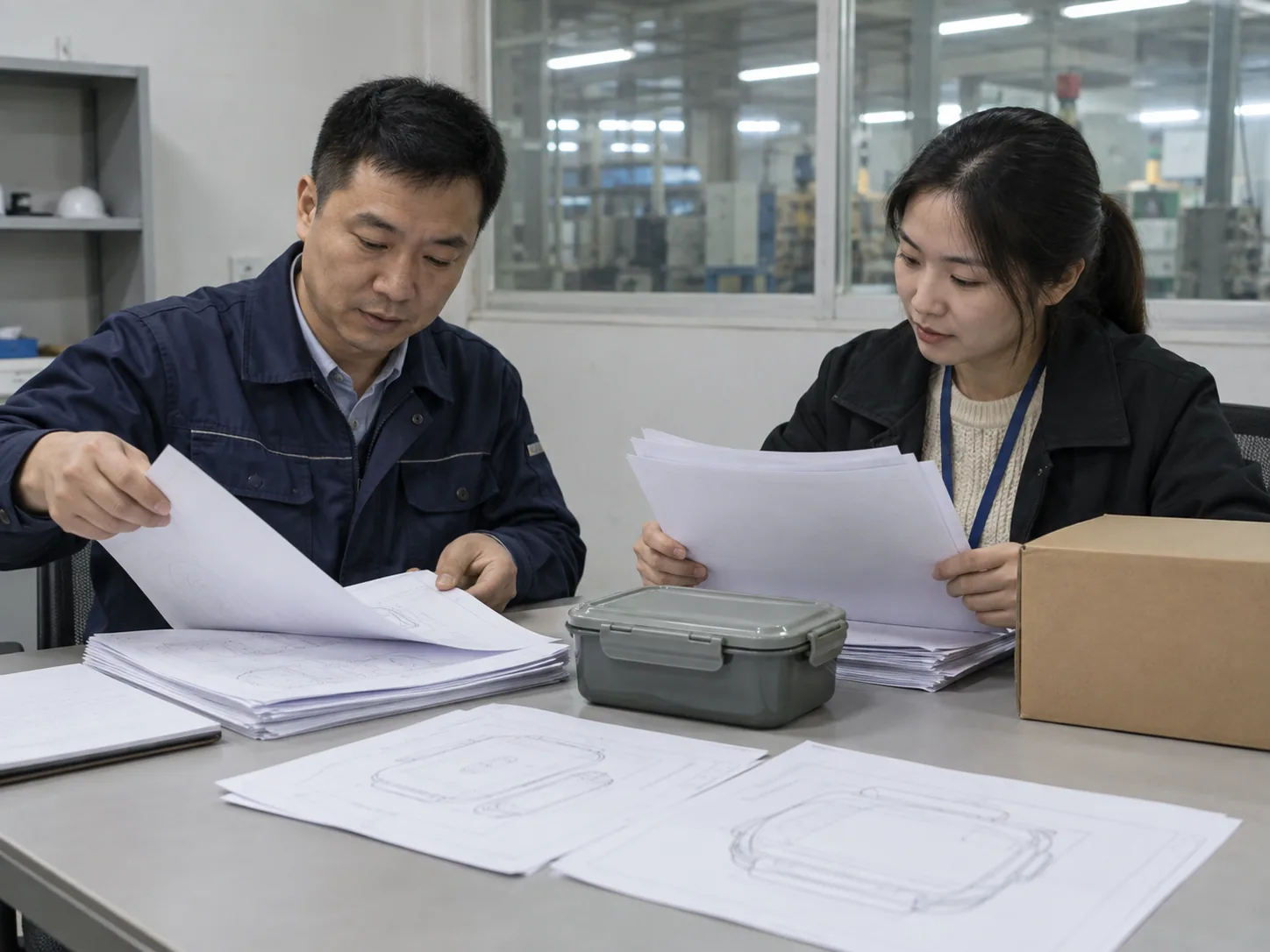
WIPO’s guidance on IP agreements with suppliers explains why ownership, permitted use and confidentiality should be addressed early. It is general information, not legal advice for a specific transaction. Obtain appropriate contract review for the relevant jurisdiction.
Tool ownership is separate from design ownership. A buyer may pay for a mold but still need rules for maintenance, storage, changes, trial records and release. A supplier may offer an existing tool without transferring ownership. Request an identifiable sample and drawing when an existing-tool claim affects the decision.
How Should Samples, Revisions and Evidence Be Controlled?
Use one numbered bill of materials and one revision system for the entire set. Record the body, lid, seal, cup, utensils, sleeve, case, insert and packaging. A change to one interface can affect several parts: lid thickness changes packed height; a larger cup changes the divider; a different zipper changes case closure.
Approve stages deliberately. A visual model checks shape and arrangement. A functional prototype checks interfaces. A color or decoration sample checks appearance. A signed complete sample checks part count and packout. None should be confused with a production record or market-specific compliance result.
For food-contact and performance claims, request evidence matched to the final SKU, material, color or formulation where relevant, intended conditions and destination. Do not inherit a claim from a visually similar component. Naike’s quality and compliance coordination page describes its published process approach; the project still needs item-specific records.
Which Route Fits Each Project Stage?
Choose an ODM-led route when the product architecture is still being explored, the channel accepts an existing component family, and the buyer wants to compare physical samples before investing in new geometry. The supplier should still disclose what is fixed, what can change and which parts or designs are non-exclusive.
Choose an OEM-led route when the buyer has controlled files, a required interface, an established design language or a functional requirement that available platforms cannot meet. The buyer must be ready to answer engineering questions, control revisions and approve the evidence plan.
A hybrid route is common. The proposed convertible modular bento system illustrates how an existing outer-box idea could be combined with selected inner trays, a custom divider and buyer-specific packaging. It is a proposed configuration, not a verified SKU. Physical samples, availability, intellectual-property terms and specifications require confirmation.
What Should the Buyer Send?
Product brief
Users, meal occasion, component list, packed envelope, materials and cleaning conditions.
Commercial brief
Quantity by variant, target market, schedule, packaging, delivery basis and price priorities.
Rights and evidence
File ownership, permitted use, tooling terms, approval stages and required SKU-level documents.
Use the portable tableware RFQ checklist to keep supplier responses comparable. Also review Build Your Set for the development path. Ask the supplier to return a route map that marks each component as existing, adapted or newly tooled, with exceptions and open decisions clearly listed.
FAQ About OEM vs ODM Tableware
Is OEM always more expensive than ODM?
No. OEM often needs more engineering, prototyping or tooling, but cost depends on how much is genuinely new. An ODM platform can also become expensive when the buyer requests new colors, a revised lid, a sewn case, several accessory combinations and low quantities by variant. Compare quotations with the same bill of materials, evidence scope, packaging, ownership terms and delivery basis. A lower unit price is not comparable if it excludes development work or required records.
Does ODM mean the buyer owns the design?
Not automatically. An ODM proposal may use supplier-owned geometry, third-party components, shared tooling or features available to other customers. The quotation and agreement should state who owns drawings, molds, artwork and improvements; who may use them; and what happens when the relationship ends. WIPO provides a useful overview of why ventures should define intellectual-property rights in supplier agreements. Obtain qualified legal advice for the markets and rights involved.
Can one portable dining set combine OEM and ODM components?
Yes. A buyer may select an existing food-container platform, retain standard utensils and develop a custom divider or textile case. This hybrid route can focus new investment on the features that create commercial value. The risk is coordination: the supplier must control interfaces, final packout, revision numbers and responsibility across all components. Ask for one consolidated bill of materials and one complete approved sample.
What should be approved before mass production?
Approve the final specification, drawings where applicable, component list, materials, colors, decoration, artwork, packaging, labeled sample, test or document plan, inspection criteria and change-control method. Confirm whether the approved object is a visual sample, a functional sample or a complete pre-production reference. Record any remaining deviations in writing; a photograph, rendering or verbal statement is not a controlled production approval.
How should a buyer compare OEM and ODM quotations?
Request parallel offers using the same quantity, variant split and delivery assumptions. Separate one-time charges from unit price. Show what is existing, adapted or new; include sample stages, tooling, packaging, evidence, inspection and ownership terms; and list exclusions. Score the route on differentiation, schedule, change risk, control and total landed decision cost—not unit price alone.
Request an OEM and ODM Route Comparison
Send your drawings or reference samples, complete component list, target market, quantity, branding, packaging and desired schedule. Request separate existing-platform, adapted-platform and new-tool options wherever they are technically relevant.