
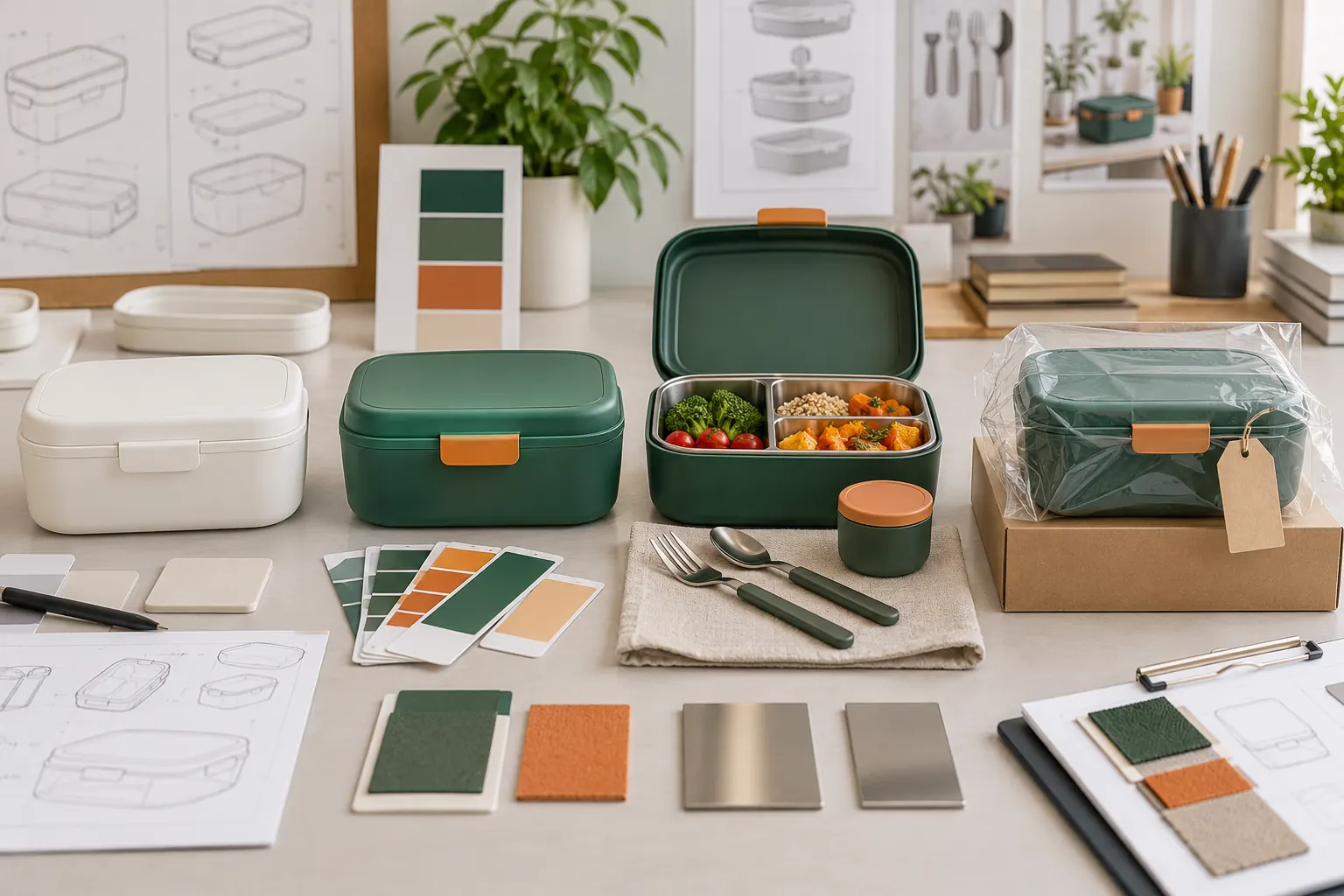
Plan one approval decision for every sample stage
A tableware sample approval process should separate concept, appearance, color, function, packaging and production-release decisions. Buyers should define what each sample can prove, record the revision reviewed, list open issues and approve the complete sellable SKU before mass production. A visually acceptable container is not automatically an approved tableware set.
Custom tableware sample approval is easier when the buyer treats samples as decision tools rather than miniature production orders. Each sample should answer a defined question, such as whether the geometry is acceptable, whether the selected color works on the actual material, whether the lid and accessories fit, or whether the complete set survives normal packing and handling.
From the factory side, unclear approval language creates more risk than an extra sample round. Comments such as “looks good” or “please improve the lid” do not identify the accepted revision, the measurable issue or the person responsible for closing it. A controlled process gives the buyer, supplier, packaging team and quality team one shared reference.
This guide applies to lunch boxes, portable dining sets, cups, bowls, cutlery, bags and multi-component retail programs. Final material suitability, testing, tooling, MOQ, cost and timing must still be confirmed for the selected SKU and destination market.
Build the tableware sample approval process around the final SKU
Begin with a bill of materials for one sellable unit. Identify the body, lid, gasket, divider, utensils, cup, bowl, carrying accessory, insert, carton, leaflet and labels that belong to the SKU, then mark any optional or market-specific parts separately. If a buyer approves a container while the bag and insert remain undefined, the complete program is not yet approved.
Custom tableware sample approval starts with a written brief
The sample brief should state product use, intended user, destination market, sales channel, material direction, target components, decoration, packaging and claims under consideration. It should also identify critical interfaces, such as lid engagement, divider location, utensil storage, cup nesting, bag clearance and carton fit.
Mark what is fixed and what remains open. A buyer may have approved a capacity range but not the final dimensions, or selected a general green direction without approving the production color. Making those boundaries visible prevents an early reference from being mistaken for final authorization.
Assign an owner to every decision. Product development may accept geometry, merchandising may approve shelf presentation, quality may define inspection points and regulatory advisers may determine market requirements. The final approval record should combine these decisions rather than leaving them in separate email threads.
Match each sample stage to the question it can answer
Not every project needs every possible sample type, but every project needs clarity about what the supplied sample represents. An existing-product sample can be useful for material feel and basic construction, while a prototype can help review new geometry. Neither should be presented as proof of production consistency or market compliance.
| Sample stage | What the buyer can review | What remains open | Typical approval wording |
|---|---|---|---|
| Reference sample | General format, material feel and existing construction | Final dimensions, decoration, accessories, packaging and SKU-specific evidence | Accepted as a direction only |
| Prototype or appearance model | Shape, proportion, compartment layout and handling concept | Production material behavior, final fit, finish and repeatability | Geometry approved for the next review stage |
| Color or decoration sample | Color on the selected substrate, logo position and decoration appearance | Complete set function, packout and production-release status | Color and artwork revision approved |
| Functional sample | Interfaces, assembly, lid operation, accessory fit and intended-use checks | Final retail packaging and approved production reference | Functional revision accepted subject to listed actions |
| Packed or pre-production sample | Complete component count, packaging fit, artwork and release configuration | Ongoing production inspection and change control | Approved as the controlled production reference |
A supplier should label the sample stage and revision rather than asking the buyer to infer them. If a prototype uses a substitute material or a sample carries temporary decoration, that difference should be written next to the approval request. A transparent limitation is easier to manage than a polished sample whose status is ambiguous.
For an existing mold route, the first sample may already be close to a saleable product, but the buyer should still confirm the actual component combination and commercial permissions. For modified or new tooling, approval gates should follow the design decisions and verification needs described in the tableware mold selection guide.
Approve appearance, material direction and color separately
Appearance approval covers visible geometry, surface texture, gloss, edge quality, component alignment and the overall relationship between parts. Review the sample under ordinary neutral light and compare it with the agreed reference. Photographs can support communication, but screen settings and lighting make them unreliable as the only color standard.
Use the tableware sample approval process for controlled color decisions
Record the color reference, substrate, surface finish and sample revision together. The same color target can appear different on PP, silicone, metal, textile and printed paperboard, so approving one component does not automatically approve every material in the set. If several parts must coordinate, place them together during review.
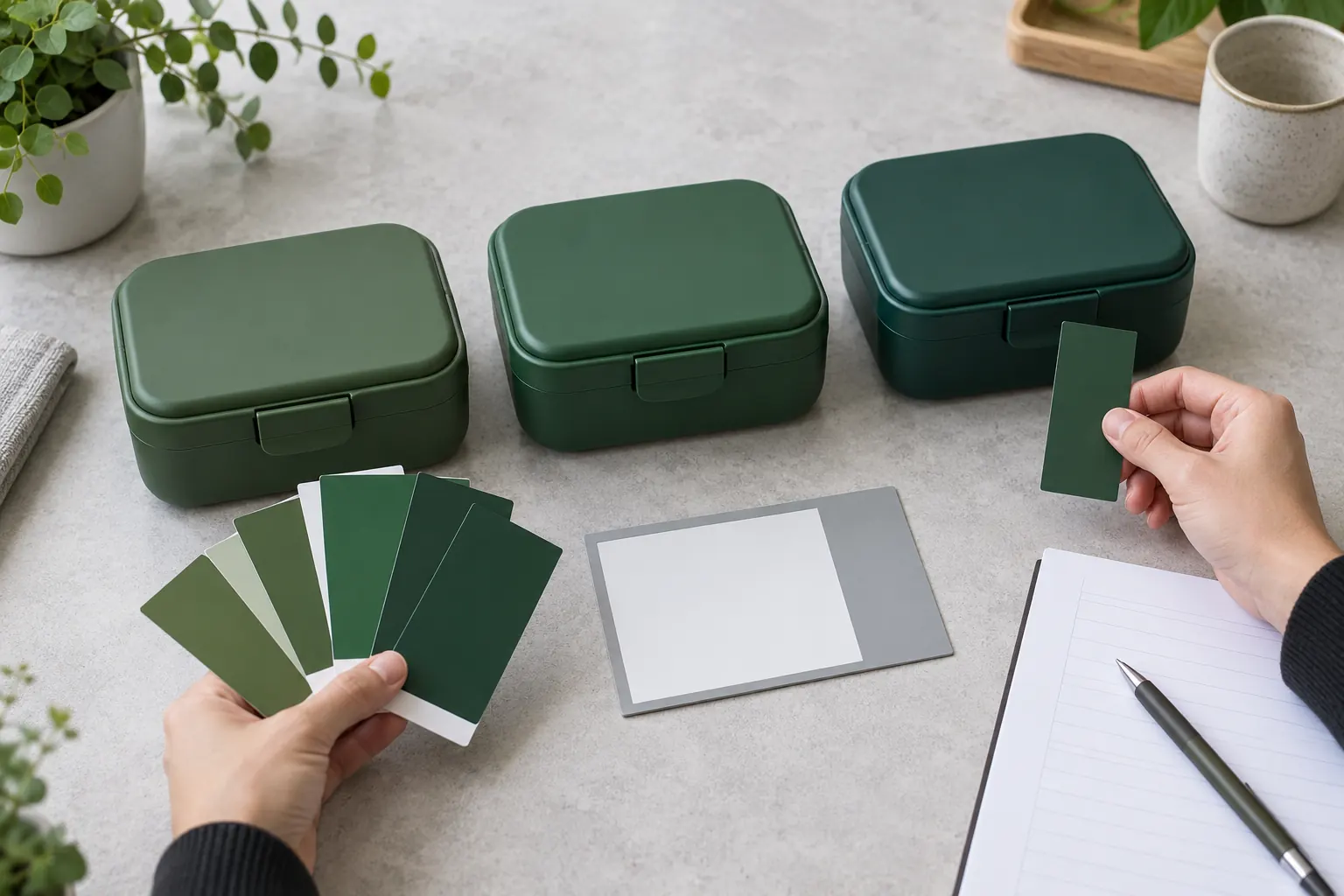
Decoration needs its own controlled reference. Confirm artwork version, logo size, position, orientation and the selected printing, engraving or molding route, then inspect the result on the actual product surface. A logo that looks centered on a flat drawing may look displaced after the lid is assembled or viewed in retail orientation.
Write acceptance comments as observable decisions. “Approve green sample B for the container body; lid color remains open” is clearer than “color is okay.” When a change is requested, state whether the supplier should make a new sample or whether a documented correction can be reviewed through another controlled method.
Test the assembled set, not isolated components
Functional sample review should reproduce the sequence the user will follow: unpack, open, remove accessories, assemble if required, use the components, clean them according to the proposed instructions and repack the set. Observe lid engagement, removable divider stability, utensil access, gasket seating, handle clearance and interaction between components.
Measure the physical sample when dimensions affect compatibility, shelf space or packaging. Do not copy measurements from an old quotation or a similar product photograph. Record the method, units and revision so later changes can be compared against the same reference.
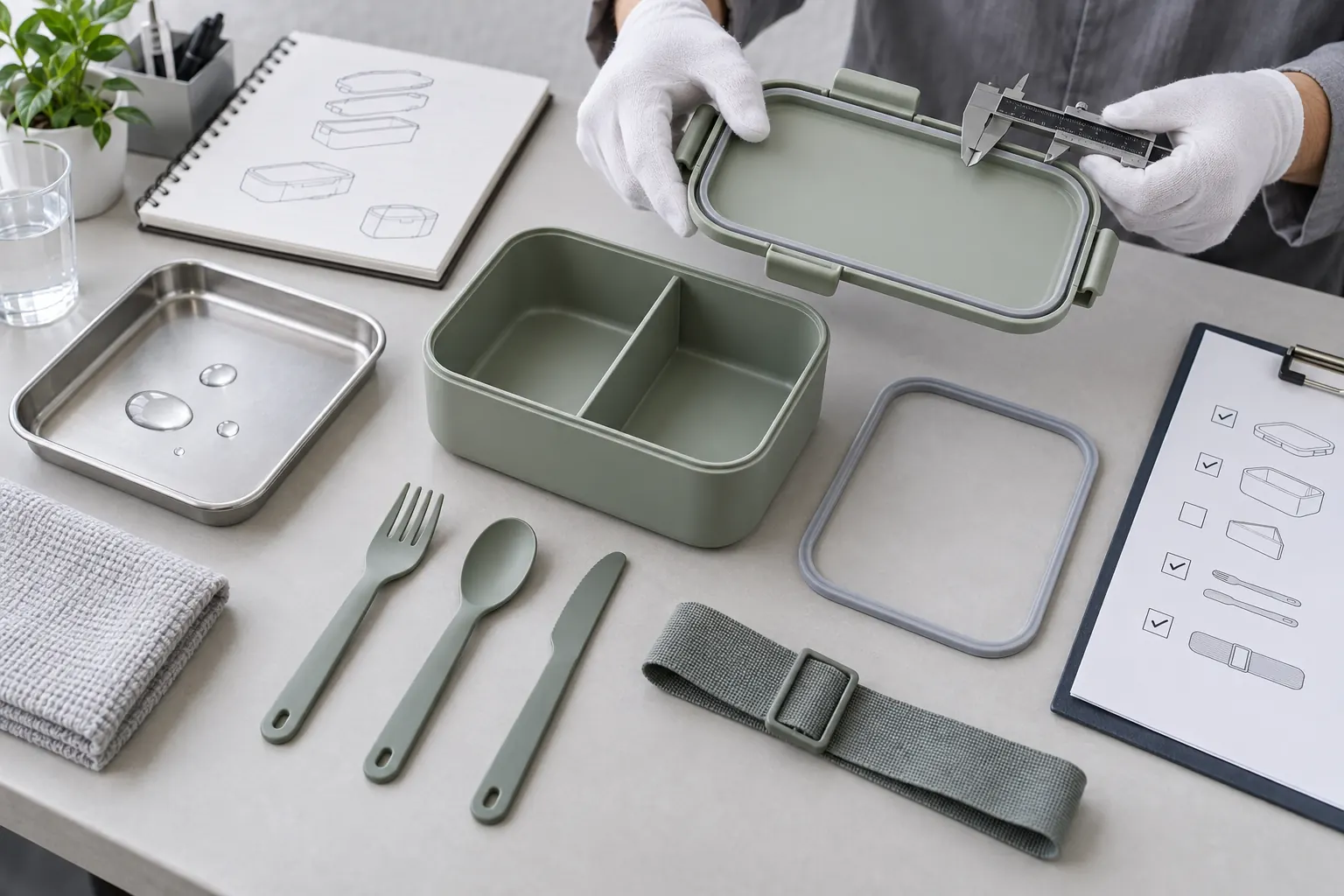
Separate buyer-use checks from formal performance claims. Opening and closing a lid during development can reveal an obvious interference, but it is not a durability result. A water check can help locate a fit concern, but it does not by itself establish a leakproof claim. Proposed claims should be matched with an appropriate validation plan for the final material and assembled SKU.
If the set includes a bag or case, review it with the actual packed components. Check insertion sequence, zipper clearance, divider position, handle access and movement inside the carrier. The tableware carry case comparison explains how carrier architecture changes protection, handling and packed dimensions.
Bring retail packaging into approval before the end
Packaging should not begin only after the product sample is called final. Inserts, sleeves, cartons and labels depend on component count, orientation and finished dimensions, while packaging can expose product issues such as pressure on a latch or movement of utensils. Review the complete packed unit before production release.
Confirm the dieline revision, substrate, insert structure, opening direction, barcode space, required language areas and artwork ownership. A digital rendering can help approve hierarchy and layout, but a physical packed sample is needed to evaluate closure, restraint and presentation. Any change to a component can require an impact review of the insert and carton.
Count every component from the buyer’s perspective. If a spoon is packed inside the container, state whether it is counted as a separate item and where it must be placed. Define how replacement parts, spare pieces or promotional additions are handled so packing instructions and inspection criteria describe the same SKU.
Use actual packed dimensions for logistics planning. The packed dimensions buyer guide shows why product size, retail envelope and master-carton assumptions should remain connected. Do not approve freight or shelf calculations using an unpacked product size.
Control the golden sample and production release
A golden sample is useful only when everyone can identify what it controls. Give it a sample ID or revision, record the component list and artwork versions, and state which attributes were approved. Keep photographs and written notes, but retain the physical reference when it is needed for comparison.
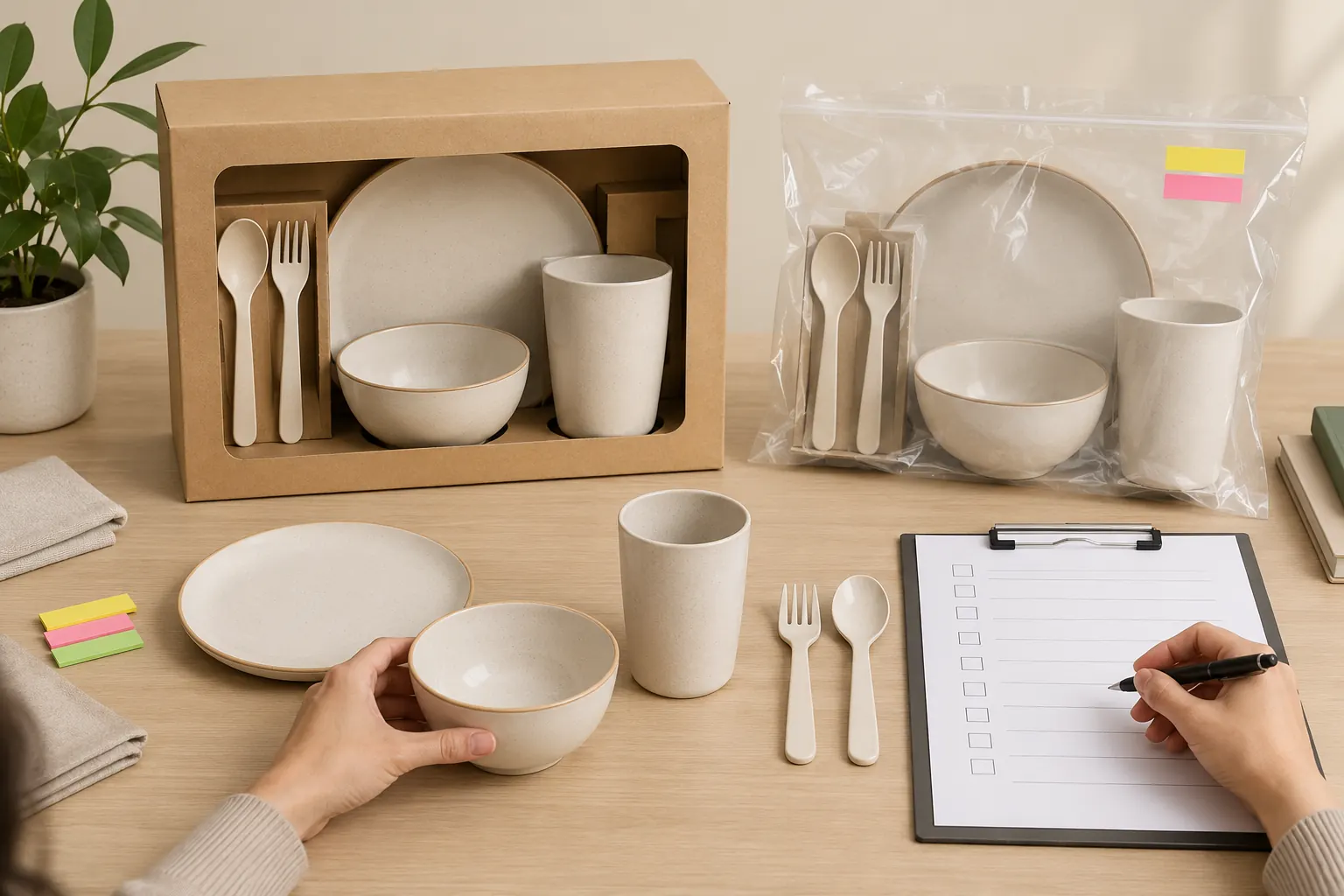
Production release should list closed decisions and remaining conditions. If artwork is final but a market-specific label is pending, record conditional approval and keep that item open. Do not use a general “approved” message when an unresolved point can change materials, packaging, evidence, cost or timing.
The release package can include the approved bill of materials, drawings or key dimensions, color and artwork references, packout specification, inspection checkpoints, evidence plan and responsible contacts. It should also identify which changes require buyer reapproval. This creates continuity when development moves to purchasing, production and inspection teams.
Approval does not replace production inspection. The approved sample defines a reference, while inspection evaluates whether produced goods follow the agreed requirements. Buyers should decide what will be checked, how samples will be selected and how deviations will be handled before shipment.
Manage revisions without losing earlier decisions
Use one revision register for all samples and files. Record the date, sample type, component or document revision, reviewer, decision, open issue, action owner and due point. A shared register prevents a newer photograph from silently replacing an older approved sample.
When one element changes, review its dependencies. A thicker gasket may change lid closure; a longer utensil may change the insert; a new color formulation may affect the evidence plan; and a carton change may alter packed dimensions. The supplier should identify affected items, while the buyer decides which approvals must be reopened.
Do not approve by silence. Establish who can authorize each stage and what happens if feedback is late or contradictory. Consolidated comments reduce unnecessary sample cycles and give the factory a single instruction to execute.
B2B buyer checklist for custom tableware sample approval
| Check | Question | Why It Matters |
|---|---|---|
| SKU scope | Does the sample include every product, accessory and packaging component in the sellable unit? | Prevents a container-only approval from being treated as approval of the complete set. |
| Sample stage | Is this a reference, prototype, color sample, functional sample or production-release sample? | Defines what the sample can and cannot prove. |
| Revision | Can every part, artwork file and pack specification be tied to one controlled revision? | Avoids mixing incompatible versions during review. |
| Material and color | Were color, finish and decoration reviewed on the actual selected substrates? | Different materials and finishes can produce visibly different results. |
| Interfaces | Were lid, gasket, divider, utensils, cup, bag and insert checked together? | Many failures occur between components rather than within one part. |
| Claims and evidence | Are proposed claims connected to an appropriate final-SKU validation plan? | Keeps marketing language aligned with available evidence. |
| Packaging | Was the complete packed sample reviewed for count, fit, closure, artwork and labeling space? | The retail unit—not the loose product—is what the buyer sells and ships. |
| Release authority | Who approves each stage, and who gives final production release? | Prevents conflicting comments and ambiguous authorization. |
| Change control | Which changes require a new sample or buyer reapproval? | Protects approved decisions after development moves forward. |
B2B buyer FAQ about sample approval
How many sample rounds does a custom tableware set need?
There is no reliable universal number because the route depends on existing parts, design changes, materials, decoration, packaging and buyer requirements. Define the decision required at each stage and combine reviews when one physical sample can validly answer several questions. Confirm timing and cost against the selected SKU rather than assuming a standard sequence.
Can buyers approve a tableware sample from photographs?
Photographs are useful for early shape, layout and issue discussions, but they cannot confirm physical fit, handling, color under controlled light, packed dimensions or the complete user sequence. Final approval should use the appropriate physical sample and controlled revision. If a photo-based decision is unavoidable, label it preliminary and list every open physical check.
What is the difference between a functional sample and a golden sample?
A functional sample is used to review interfaces and intended-use behavior while development may still be open. A golden sample is the controlled accepted reference for the released configuration. The buyer should document what the golden sample controls and ensure that packaging, artwork and components match the intended production SKU.
Does a color sample approve the complete product?
No. It approves only the recorded color, material, finish and decoration decisions unless the approval states otherwise. Fit, function, packaging, evidence and production release remain separate decisions. Keep the wording narrow enough that another team cannot interpret it as full SKU approval.
What should a buyer send when requesting samples?
Send the component list, intended use, destination market, quantity by variant, selected customization, artwork, packaging direction, critical dimensions or interfaces and the decision expected from the sample. Mark unknowns clearly. The tooling files buyer guide explains how drawings and product data support technical review.
When is a tableware set ready for production release?
Release it when the controlled bill of materials, physical sample, colors, decoration, packaging, artwork, inspection points and evidence plan refer to the same intended SKU. Open conditions should have owners and release criteria. Project-specific commercial terms and final validation still need written confirmation.
Conclusion: close the tableware sample approval process with one reference
A disciplined tableware sample approval process tells every participant what was reviewed, what the sample can prove and what remains open. It separates appearance from function, connects packaging to the actual component set and turns the final golden sample into a controlled reference rather than a vague visual standard.
When requesting a factory review, send the component list, intended market, customization, packaging direction, quantity by variant and the approval decision you need next. Naike Tableware can then review the project route against the selected product and available information without assuming that one sample stage fits every program.